Find the book for the question in your house.

The worry, the fight, the decision you're stuck on. A sentence or two is enough.


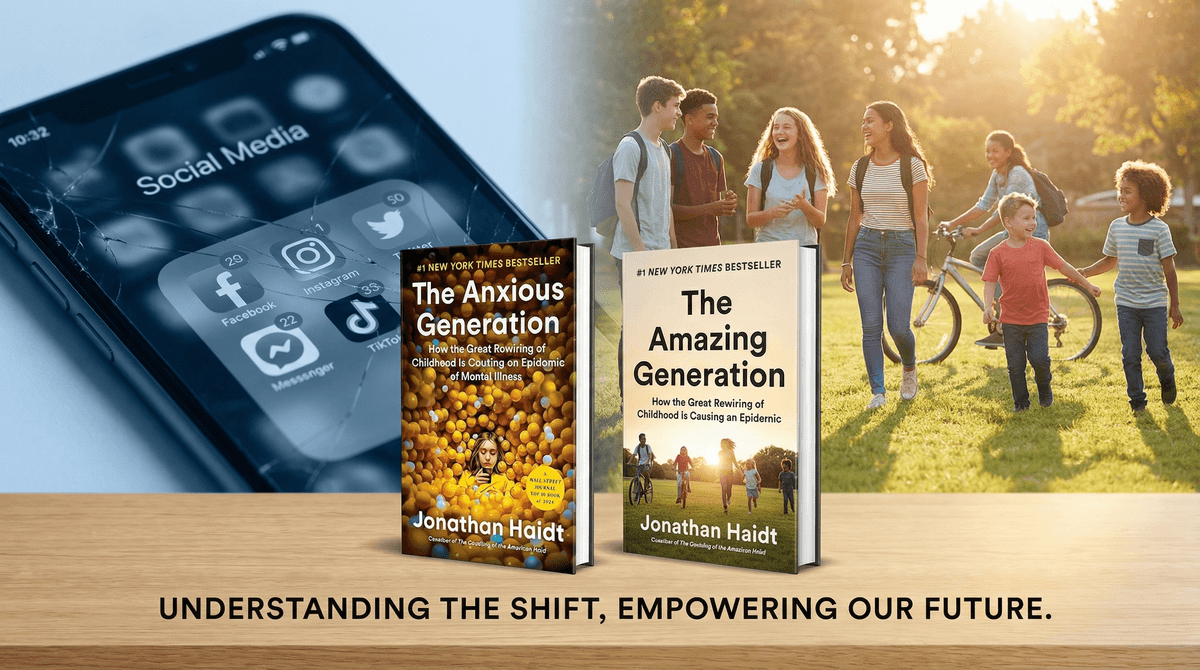
Jonathan Haidt's The Anxious Generation says no smartphone before high school and no social media before 16. Pete Etchells's Unlocked came out in the UK within days of it, in March 2024, went through the same kind of studies, and found the evidence for large harms much weaker than the headlines. Both books are on this shelf. A parent deciding about a first phone gets more from reading the pair than from either one.

That split runs through the whole shelf. The authors are pediatricians, psychologists, reading scientists, teachers and reporters, and they argue with each other in print. Where they agree is where to start: phones out of the bedroom at night, more freedom in the real world, and an adult nearby while a kid figures out the tech.

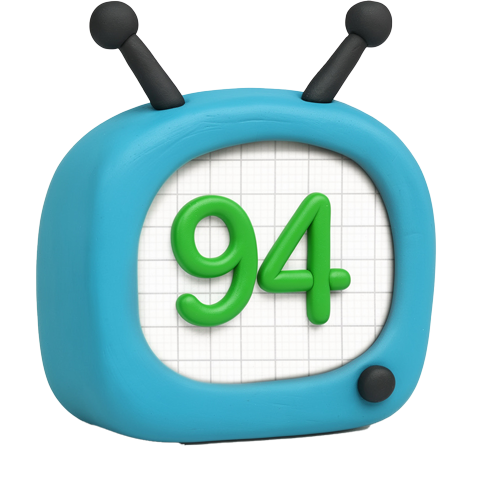
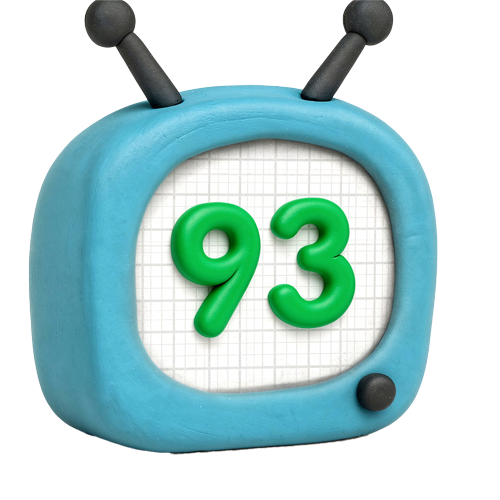
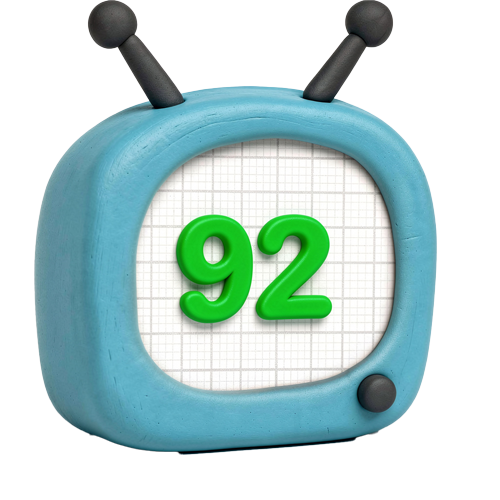
Sonia Livingstone and Alicia Blum-Ross spent time with 73 London families for Parenting for a Digital Future and found that a fight about a screen often stands in for a bigger worry about money, work or the future. It is also why the highest score on this shelf, 94, goes to The Whole-Brain Child, a book about meltdowns. Good Inside (93), on big feelings, and The Gift of Failure (91), on letting a kid fail, score as well as the best phone books.

If your question is about phones and school, Wait Til 8th and tech in schools go deeper on those two decisions. If it is about a kid using ChatGPT, see kids and AI.


On phones and games, the best books here disagree. Read one from each side.

The biggest split is about cause. Haidt argues that the shift from a play-based to a phone-based childhood drove the rise in teen anxiety and depression since the early 2010s. Candice Odgers, in her review of the book in Nature, and Etchells in Unlocked answer that most of that evidence is correlational and the effects are small.

Peter Gray agrees that kids are more anxious. In Restoring Childhood he puts the cause on lost freedom and school pressure, with phones as a sideshow. Haidt's four norms cost a family little whoever turns out to be right, and the fourth, more independence and free play, is the one Gray argues for too.

Rules first, or understanding first. Jean Twenge's 10 Rules for Raising Kids in a High-Tech World and Emily Cherkin's The Screentime Solution draw bright lines: no devices in bedrooms, no social media until 16, a phone as late as you can manage.

Emily Weinstein and Carrie James surveyed more than 3,500 teens for Behind Their Screens, and Devorah Heitner wrote Screenwise. Both argue that a kid with a phone needs a mentor more than a monitor. The rules books help most before a phone arrives; the second pair helps most once a 15-year-old is already in six group chats.

Games get the same argument. Alok Kanojia's How to Raise a Healthy Gamer is an eight-week plan for gaming that has crowded out sleep, school and friends. Rachel Kowert's A Parent's Guide to Video Games and Etchells's Lost in a Good Game find small effects either way for most kids, and Jordan Shapiro's The New Childhood tells parents to pick up a controller.

Kowert's book is about 100 pages, so it is the quick way to learn which kind of gamer you have. Kanojia's is for when gaming is already the fight.

Where they agree, the advice is concrete.

  • Sleep. Anya Kamenetz calls screens off before bed the one firm line in The Art of Screen Time. Twenge and Cherkin both make bedrooms phone-free.
  • Freedom. Haidt's fourth norm, Twenge's Rule 8, Gray's Restoring Childhood and Lenore Skenazy's Free-Range Kids all ask for more of it, starting young.
  • Company. Kamenetz's "mostly with others." Katie Davis's two questions in Technology's Child: did the kid choose this, and are there people around who help? And Lisa Guernsey and Michael Levine's finding in Tap, Click, Read that reading apps help young kids most with an adult beside them.

FAQ.

Real questions parents ask about Parenting Books


Want recs for your kid specifically?

Take the 5-minute Screenwise family survey. We’ll use it to surface the shows, games, and books that actually fit your kid — not just the generic top 10.

Take the 90-second Gut Check