The shelf most parents don’t know exists
The best grown-up books now come in kid-sized editions.
Harari rewrote Sapiens for 10-year-olds. Ed Yong adapted his animal-senses masterpiece for middle-schoolers. Trevor Noah, Michelle Obama, and Malala re-told their own stories for your kid’s reading level. These aren’t summaries or picture books — they’re the real ideas, officially adapted, and a curious 11-year-old can finish them. Our favorite adaptations are below, all WISE-scored for you.
A curious 11-year-old who wants to know where humans came from is unlikely to get through 450 pages of Sapiens (and let’s be honest, neither are we). For decades the answer was “wait a few years” — and the curiosity rarely waited with them. Publishers quietly fixed this: most of the biggest nonfiction of the last twenty years now has an official young readers edition, usually rewritten by the original author, at half the length and a middle-school reading level, with the ideas intact.
The quality ceiling is higher than you’d guess. Jason Reynolds’s Stamped outsold the adult book it remixes. Adults routinely claim Unstoppable Us is the better Sapiens. Laura Hillenbrand cut Unbroken herself and it lost nothing that matters. The weakest entries are merely shorter; the best are independently great books.
The adapted editions are often more fun to read than the originals — tighter, funnier, more engrossing. Read the adaptation together, trade chapters out loud at bedtime, and keep the original around for when you want to go deeper. Every pair below links both editions, each with its own WISE score and verdict, organized by what your kid is curious about.
52 verified pairs
Every book, both editions.
The grown-up original on the left, the official young readers edition on the right. Tap either cover for the full WISE score, age fit, and our verdict.
Where humans came from, what animals sense, how everything works.
The big-idea science shelf — human history, animal senses, the periodic table, CRISPR, climate — with the same authors writing for both of you.



Sapiens — Yuval Noah Harari
Harari adapted his own history of humankind into a fully illustrated series — the canonical young readers edition, and volume 1 is genuinely one of the best nonfiction books for a 10-year-old, period.
The series continues: Volume 2: Why the World Isn't Fair · Volume 3: How Enemies Become Friends
An Immense World — Ed Yong
Yong’s tour of animal senses — what a dog smells, what a bird sees in a magnetic field — got an illustrated 2025 edition for ages 9–12 that keeps the wonder and cuts the page count in half.
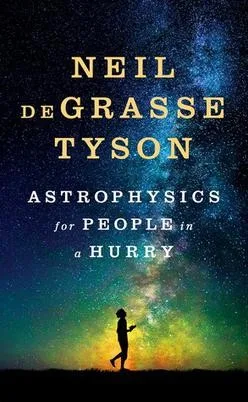

Astrophysics for People in a Hurry — Neil deGrasse Tyson
Tyson rewrote his pocket cosmology with co-author Gregory Mone — same universe, more photos, zero calculus anxiety.
The Omnivore's Dilemma — Michael Pollan
Where dinner really comes from. The young readers edition follows the same four meals and is a staple of middle-school classrooms for a reason.
Fast Food Nation — Eric Schlosser
Schlosser didn’t abridge Fast Food Nation for kids — he rebuilt it around them, with the marketing aimed at kids front and center. Expect at least one lost appetite.

Braiding Sweetgrass — Robin Wall Kimmerer
Kimmerer’s Indigenous plant wisdom, adapted by Monique Gray Smith with illustrations and reflection prompts — made for reading together, slowly.
The Hidden Life of Trees — Peter Wohlleben
The forester’s case that trees feed their neighbors and warn each other — the kids’ edition swaps prose for photos, quizzes, and try-it-outside activities.

A Short History of Nearly Everything — Bill Bryson
Bryson condensed his own everything-book — the Big Bang to the rise of life — and the short version keeps all the best “wait, WHAT?” facts.
The Disappearing Spoon — Sam Kean
The periodic table as a gossip column — poisonings, rivalries, Nobel feuds. The young readers edition keeps the mischief, trims the chemistry-degree asides.
The Code Breaker — Walter Isaacson
Jennifer Doudna, CRISPR, and the question of whether we should edit our own genes — abridged for teens who will be voting on this stuff within the decade.

On the Origin of Species — Charles Darwin
Rebecca Stefoff turned Darwin’s actual 1859 argument — not a book about it, the thing itself — into something a 10-year-old can follow.
The Third Chimpanzee — Jared Diamond
Diamond’s own pick for young readers — why a species sharing 98% of its DNA with chimps ended up with language, art, and nuclear weapons. (No, Guns Germs & Steel never got a young edition; this is the official one.)

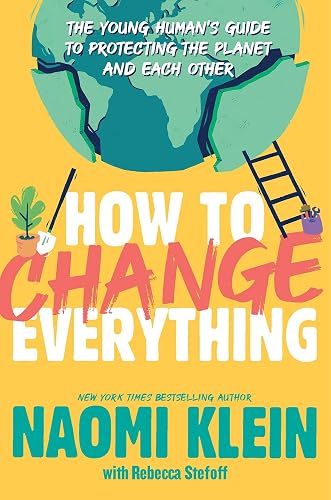
This Changes Everything — Naomi Klein
Klein’s climate politics, rebuilt with Rebecca Stefoff around what young people can do — angrier than a school sustainability unit, and better for it.
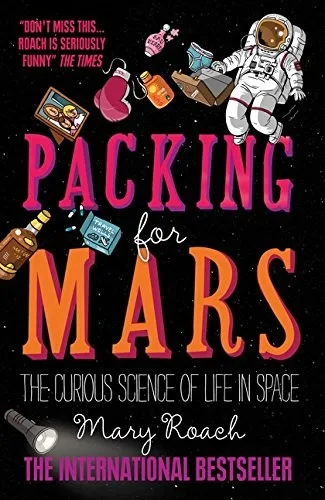
Packing for Mars — Mary Roach
How astronauts eat, sleep, barf, and go to the bathroom in zero gravity. The kids’ edition leans into the gross parts, which is exactly correct.
Endurance — Scott Kelly
A year on the International Space Station, from a kid who was a terrible student until he found the right book — which makes the young readers edition weirdly self-demonstrating.
Real history, told straight, at two reading levels.
NASA mathematicians, WWII codebreakers, the Osage murders, the hunt for Lincoln’s killer — history that reads like a thriller in both editions.
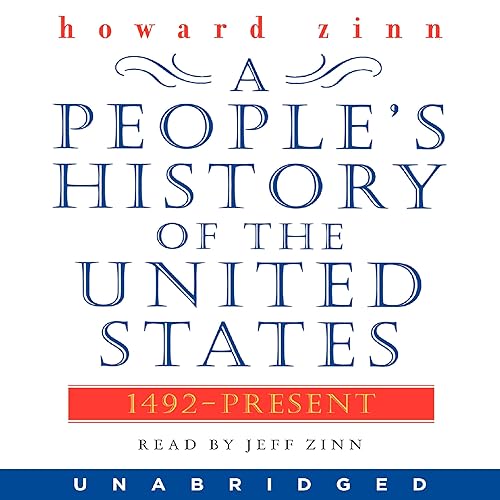

A People's History of the United States — Howard Zinn
US history from the deck of Columbus’s ship instead of the captain’s log. The young people’s edition (adapted by Rebecca Stefoff) is the version schools assign.
An Indigenous Peoples' History of the United States — Roxanne Dunbar-Ortiz
Four hundred years of US history from the Indigenous side, adapted for young people by Jean Mendoza and Debbie Reese with study questions built in.
Lies My Teacher Told Me — James W. Loewen
What the textbook got wrong, for the kid currently being assigned the textbook. Hand them the young readers edition in 8th grade and enjoy the dinner-table fallout.
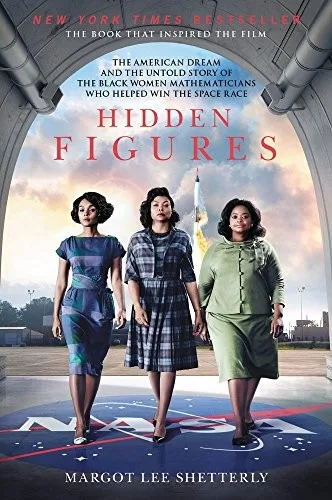
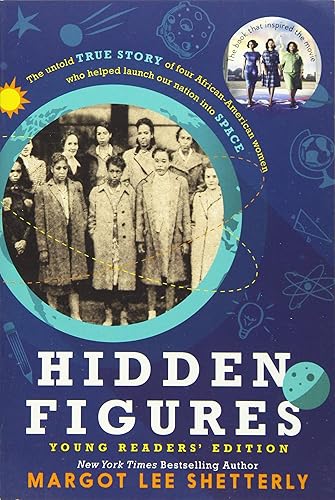
Hidden Figures — Margot Lee Shetterly
The Black women mathematicians who put John Glenn in orbit. The young readers edition came out the same year as the movie — read it, then watch it.
Code Girls — Liza Mundy
Ten thousand American women secretly broke German and Japanese codes and then kept the secret for fifty years. Catnip for puzzle kids.
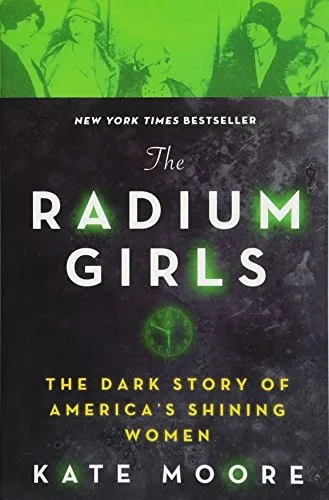
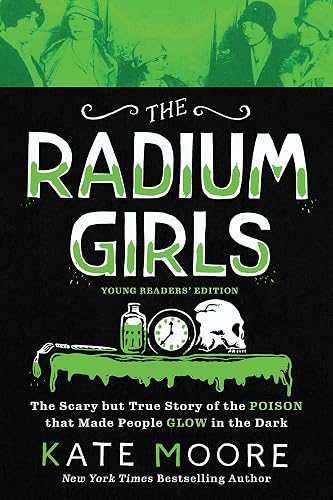
The Radium Girls — Kate Moore
The watch-dial painters whose employer knew the paint was killing them. The young readers edition softens the medical detail, not the injustice — it still lands like a punch.

Killers of the Flower Moon — David Grann
The Osage murders and the birth of the FBI, adapted by Grann for readers who are years away from the Scorsese film. It is still a book about murders — know your kid.
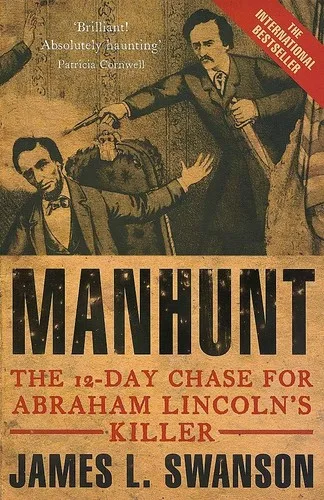
Manhunt — James L. Swanson
Twelve days chasing John Wilkes Booth. Swanson rewrote his own bestseller as Chasing Lincoln’s Killer, and the YA version is the rare adaptation people argue is better-paced than the original.
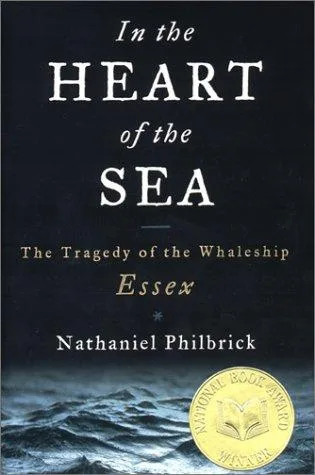
In the Heart of the Sea — Nathaniel Philbrick
The shipwreck that inspired Moby-Dick — whale attack, open boats, and the worst three months at sea ever recorded. Revenge of the Whale is the young readers cut.
Lives worth reading twice.
Malala, Trevor Noah, Michelle Obama, a boy who built a windmill from scrap — most of these were adapted by the authors themselves.
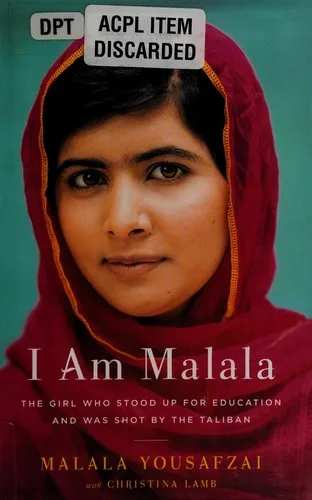

I Am Malala — Malala Yousafzai
Co-written with Patricia McCormick, the young readers edition is told closer to Malala’s own teenage voice — many families prefer it to the original.


Born a Crime — Trevor Noah
Growing up as evidence of a crime in apartheid South Africa. The young readers edition keeps Noah’s comic timing and dials back the language and some darker episodes.

Becoming — Michelle Obama
South Side of Chicago to the White House. The adapted edition reads like Michelle Obama talking directly to a 12-year-old about becoming herself.

Dreams from My Father — Barack Obama
A young Barack Obama working out race, family, and identity — the YA adaptation of the memoir he wrote decades before the presidency.


The Boy Who Harnessed the Wind — William Kamkwamba
A 14-year-old in Malawi builds a windmill from scrap and a library book while famine empties his village. The young readers edition is the one to hand the kid who likes to take things apart.
The Other Wes Moore — Wes Moore
Two kids named Wes Moore, same Baltimore blocks — one a Rhodes Scholar, one serving life. Discovering Wes Moore puts the question of why directly to teen readers.
The Distance Between Us — Reyna Grande
Grande crossed the border at nine to reach a father she barely remembered. Her young readers edition is one of the best first-person immigration stories a middle-schooler can read.
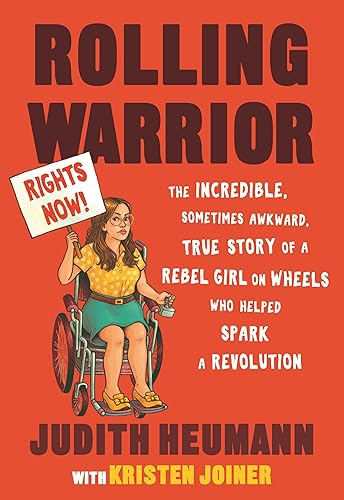
Being Heumann — Judith Heumann
The disability-rights pioneer who organized a 24-day federal sit-in from a wheelchair. Rolling Warrior is funnier and faster than the original — Heumann wanted kids to see the fight, not the paperwork.

The Choice — Edith Eva Eger
Edith Eger survived Auschwitz at sixteen by dancing for Mengele; The Ballerina of Auschwitz retells The Choice as narrative YA. Heavy, extraordinary, best at 13+.
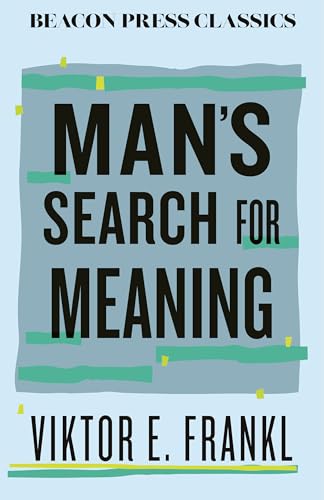

Man's Search for Meaning — Viktor E. Frankl
Frankl’s Holocaust memoir and its question — what makes life worth living when everything is taken — in an official young adult edition with a biography chapter and glossary.
Far from the Tree — Andrew Solomon
Solomon’s study of families raising children profoundly different from themselves — deafness, autism, prodigies — adapted for the teenagers those chapters are about.
The hard conversations, with a book to anchor them.
Race, justice, immigration, what we owe each other. The teen editions keep the full argument — nothing essential gets sanded off.

Just Mercy — Bryan Stevenson
Stevenson’s defense of Walter McMillian and the case against the death penalty — the YA adaptation is now standard in high-school classrooms, and earlier-ready than most parents expect.


Stamped from the Beginning — Ibram X. Kendi
Jason Reynolds “remixed” Kendi’s 600-page history of racist ideas into a 250-page book that reads like he’s talking to your kid across the table. The rare adaptation that became a phenomenon in its own right.

How to Be an Antiracist — Ibram X. Kendi
Kendi teamed up with novelist Nic Stone to rebuild his argument for teenagers — more story, more “what do I do Monday,” same core framework.
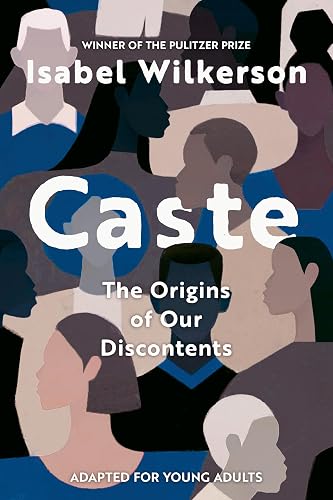
Caste — Isabel Wilkerson
Wilkerson’s argument that America runs on an unspoken caste system, officially adapted for young adults — demanding reading, best for a 14+ kid who wants the full argument.
The Sum of Us — Heather McGhee
McGhee’s drained-public-pool economics — how racism costs everyone, including white families — adapted for young readers who notice unfairness faster than adults do.
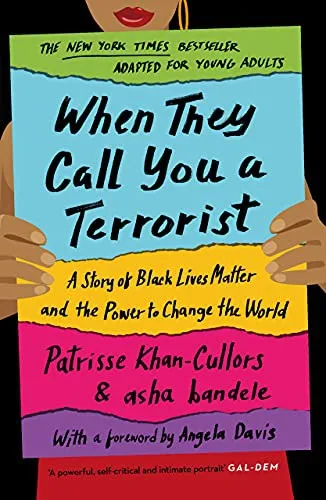

When They Call You a Terrorist — Patrisse Khan-Cullors
A Black Lives Matter co-founder’s memoir of growing up policed, in an official young adult edition. Pairs a movement your teen knows from headlines with the life behind it.

Enrique's Journey — Sonia Nazario
A Honduran boy rides freight trains north to find his mother. Nazario’s Pulitzer-winning reporting, adapted so the kids Enrique’s age can read his story themselves.
Mountains Beyond Mountains — Tracy Kidder
Dr. Paul Farmer decided one doctor could bend global health toward the poor, and mostly did. The young people’s edition is a stealth blueprint for idealistic kids.
The gateway drug for reluctant readers.
An Olympic crew, a castaway airman, a refugee soccer team, a midnight sea rescue — if your kid “doesn’t read,” start here.

The Boys In The Boat — Daniel James Brown
Nine working-class rowers stun Hitler’s Olympics. The young readers adaptation is the single most-recommended “my kid hates reading” cure on this list.
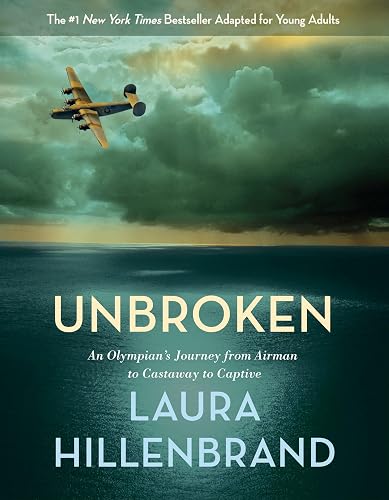
Unbroken — Laura Hillenbrand
Olympic runner, downed airman, 47 days on a raft, then the POW camps. Hillenbrand adapted it herself; the YA edition spares the worst brutality and loses none of the spine.
Outcasts United — Warren St. John
A refugee soccer team in a Georgia town that didn’t want them, and the volunteer coach who built something anyway. The young readers edition is a quiet empathy machine.
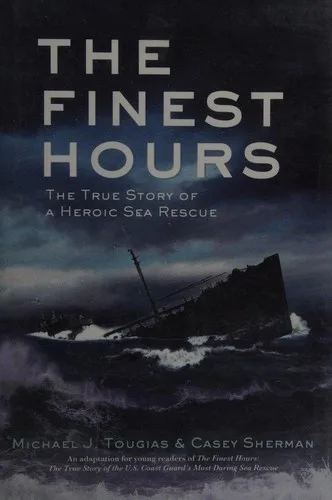
The Finest Hours — Michael J. Tougias
Four Coast Guardsmen, a wooden lifeboat, and 32 survivors in a 1952 nor’easter. The young readers edition launched a whole True Rescue series — if it lands, there are five more.

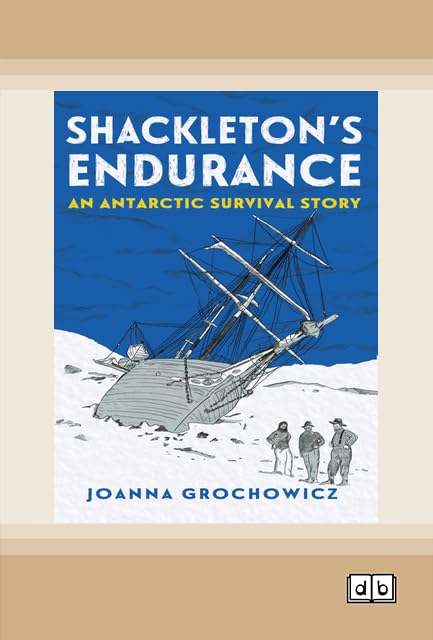
Endurance — Alfred Lansing
Shackleton’s ship crushed by Antarctic ice, twenty-eight men adrift on the floes, and every one of them brought home. Grochowicz retells the story Lansing made famous, from the same expedition diaries, for readers around 9–13.
The self-improvement shelf, minus the corporate seminar.
Habits, introversion, building something from nothing — the rare business books worth handing a teenager.

The 7 Habits of Highly Effective People — Stephen R. Covey
Sean Covey rebuilt his father’s framework around lockers, friend drama, and first jobs in 1998, and it has quietly stayed in print ever since — the granddaddy of the genre.
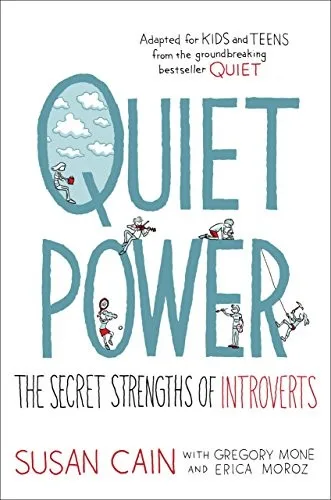
Quiet — Susan Cain
Cain rebuilt Quiet around school — group projects, class participation grades, the cafeteria — for the kid who keeps being told to speak up. Quiet Power is the one book on this list that can change how a kid sees themselves by Friday.
Shoe Dog — Phil Knight
Selling shoes out of a Plymouth Valiant to building Nike, with most of the f-bombs and all of the near-bankruptcies intact. The young readers edition is the best startup story a 12-year-old can read.


The Anxious Generation — Jonathan Haidt
Haidt took the argument from The Anxious Generation and handed it straight to the kid — a Catherine Price co-written, fully illustrated guide to phone-free fun and real-world independence, built for 9-to-14s instead of their parents.
How to use them
Three ways these books earn their shelf space.
Subject first
Match the topic, not the reading level.
A strong 10-year-old reader can decode Killers of the Flower Moon; that doesn't make them ready for it. Pick the subject they're ready for and curious about, then let the edition handle the sentences. Decoding ability is the floor, not the guide.
Read it together
Co-read the adaptation — yes, you too.
Read the young readers edition together — side by side, or out loud at bedtime long after they can read solo. The grown-up secret is that these editions are often the more fun read anyway, and for the hard-topic books, the shared pages give the conversation somewhere to stand.
The on-ramp
Let them outgrow it on schedule.
A kid who loves the young readers edition at 11 usually reaches for the adult original around 14 — on their own, because they already trust the book. That handoff is the whole point. Both editions are linked on every page here for exactly that moment.
Personalized for your family
Which of these fits your kid?
Their age, what they’re curious about, how they feel about reading right now — and we’ll pull the right three books off this shelf.
FAQ
What parents ask about young readers editions.
Real questions from real parents
Not sure what level your kid reads at?
Our reading-levels guide covers what a Lexile number tells you, what it doesn’t, and the books worth handing your kid at every stage — these young readers editions slot right into the middle bands.
Books by Reading LevelMake it personal.
Take the five-minute Screenwise family survey and every guide, recommendation, and book page on the site gets tuned to your kid’s age and what they’re into.
Take the Family Survey