A children's book critic with five kids made the case for the nightly read-aloud
Meghan Cox Gurdon has reviewed children's books for The Wall Street Journal since 2005, and she read aloud to her five children every night. In 2015 she noticed two things at once, she told Book and Film Globe: screens were pulling her family into "separate virtual realities," and the nightly read-aloud was doing the opposite, pulling everyone back into the same room and the same story. She wrote a column called "The Great Gift of Reading Aloud." It went viral, and this book grew out of it.
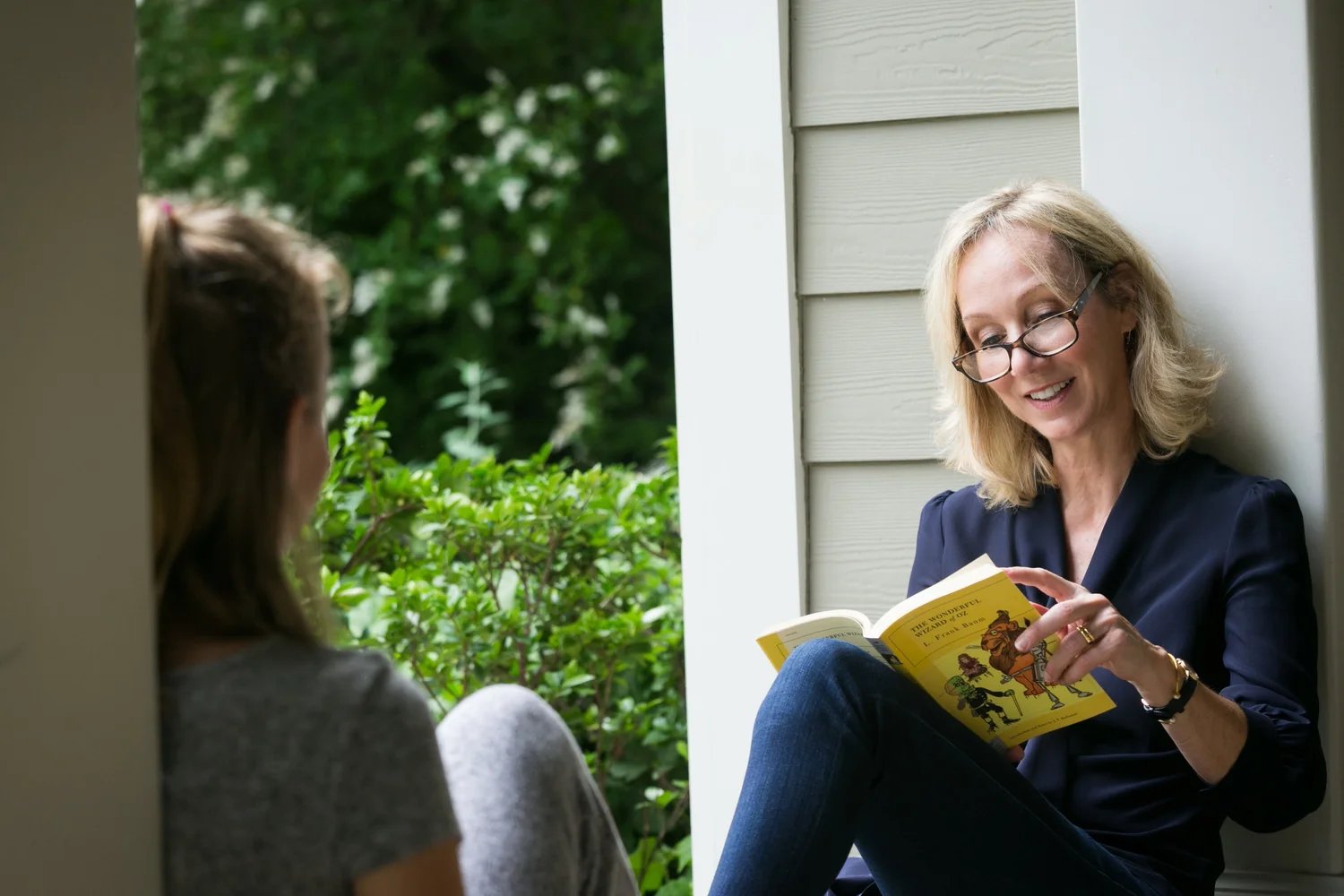 Gurdon reading The Wonderful Wizard of Oz aloud on the porch. Photo from meghancoxgurdon.com.
Her argument is that "reading out loud is probably the least expensive and most effective intervention we can make for the good of our families, and for the wider culture." The book backs it with brain research, interviews and stories from her own house.
Even a short picture book carries a lot of feeling
Gurdon's best chapters are about what happens inside a child during a read-aloud. Young children hear words in books they would never hear in everyday speech, which is how reading aloud builds vocabulary so fast. They also meet big feelings safely. She points out that The Story of Babar takes under seven minutes to read, and in that time a child "will see tenderness and catastrophe, fear and comfort, pride and anger, death, marriage, sorrow, and joy."
She also argues that hearing a story is different from watching it. When a child listens and looks at still pictures, they build the images themselves. On a screen, the pictures arrive ready-made.
Reading aloud keeps working long after kids can read
The book's reach goes well past bedtime picture books. Gurdon covers reading aloud to older kids and teens, deployed parents reading to their children over video calls, and reading to the elderly and the sick, for whom a voice reading a book can be a way out of a hard day. Her point is that the habit is worth keeping at every age, including after a child can read alone.
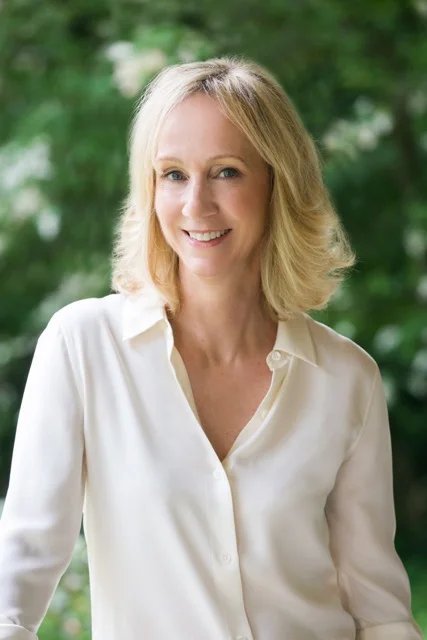 Meghan Cox Gurdon. Photo from meghancoxgurdon.com.
The back of the book holds an alphabetical list of more than 100 read-aloud titles, plus suggestions by theme: bedtime, kindness, fairy tales and classics for older listeners. Library Journal gave it a starred review and compared it to Jim Trelease's The Read-Aloud Handbook.
It repeats itself, and it is careful with old books
Kirkus called it "an inspiring argument" and also "earnest, but unfortunately repetitive." If you already believe in reading aloud, the first half preaches to you; skip ahead to the practical chapters and the booklist. Gurdon's advice on older classics with racist content is to read them and talk about them with your kids. Some parents, especially in families those books depicted, would rather skip a title or swap in a newer one, and the booklist leaves plenty of room to do that.
Hear her talk about it
Gurdon talked with Sarah Mackenzie of the Read-Aloud Revival about reading aloud as "an obstinate act of love":
Her full talk on the book at The Heritage Foundation:
Read it with
The Read-Aloud Family is the hands-on companion: how to fit reading into a busy day, questions to ask about any book, and lists by age. Raising Kids Who Read explains the science of how kids become readers. Two books Gurdon writes about, The Wonderful Wizard of Oz and This Is Not My Hat, are good places to start, and if you are reading to a mixed-age crew, see chapter books that work for a 9-, 6- and 3-year-old together.