Teen mental health turned sharply worse in the early 2010s
Haidt opens with the graphs. After years of stability, rates of depression, anxiety and self-harm among teens rose fast starting around 2012, in many countries at once, and hardest for girls. His explanation is timing: those are the years when smartphones with front-facing cameras, high-speed internet and social media apps became the normal way to be a teenager.
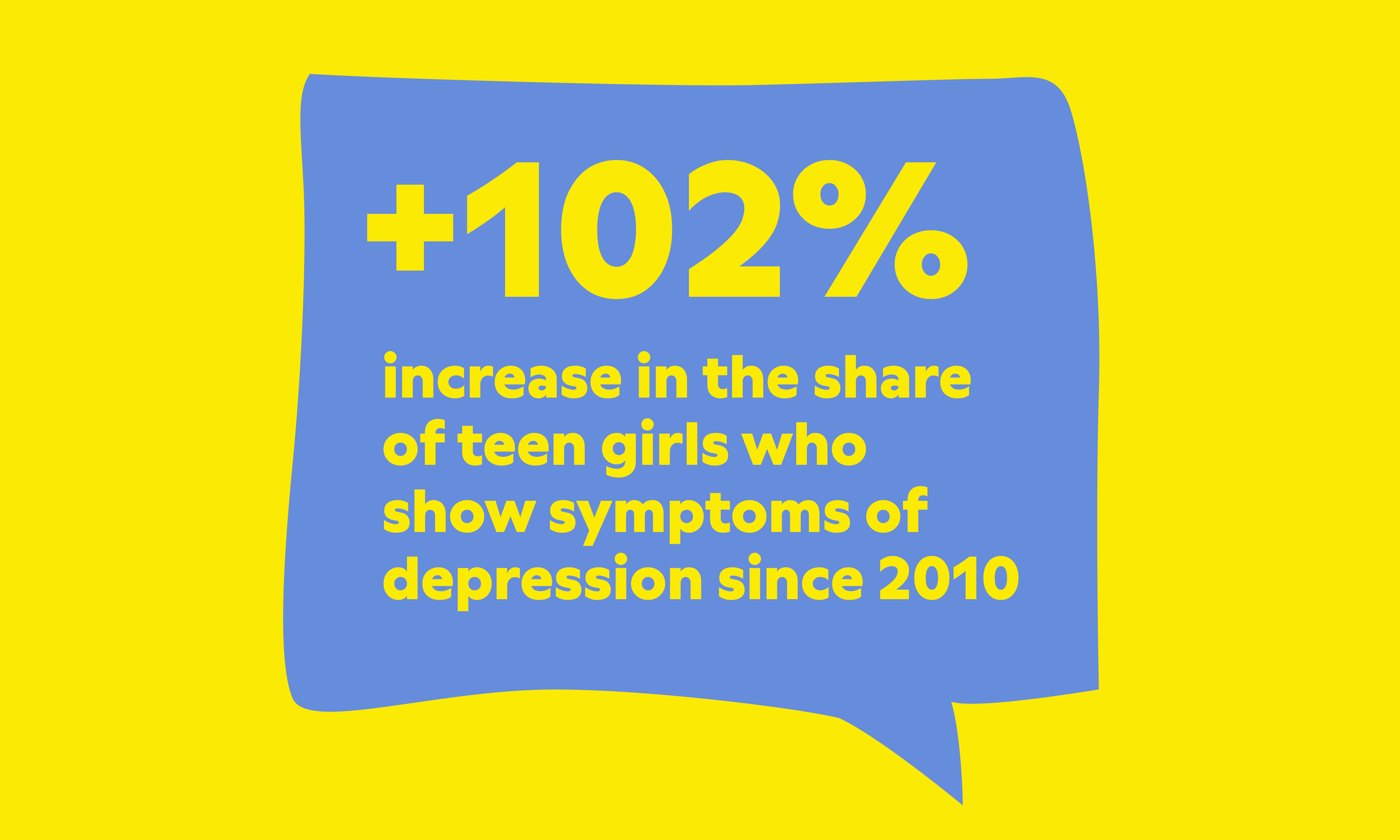 A figure from the book's companion site, anxiousgeneration.com.
Overprotected offline, underprotected online
The book's second argument goes back further. Starting in the 1980s and 90s, Haidt writes, parents cut back on the unsupervised play, risk and independence kids need to become capable adults. Then the phone filled the space. He walks through more than a dozen ways a phone-based childhood can get in the way of development: lost sleep, fragmented attention, social comparison, loneliness, and, for many boys, a retreat from the real world into games and screens.
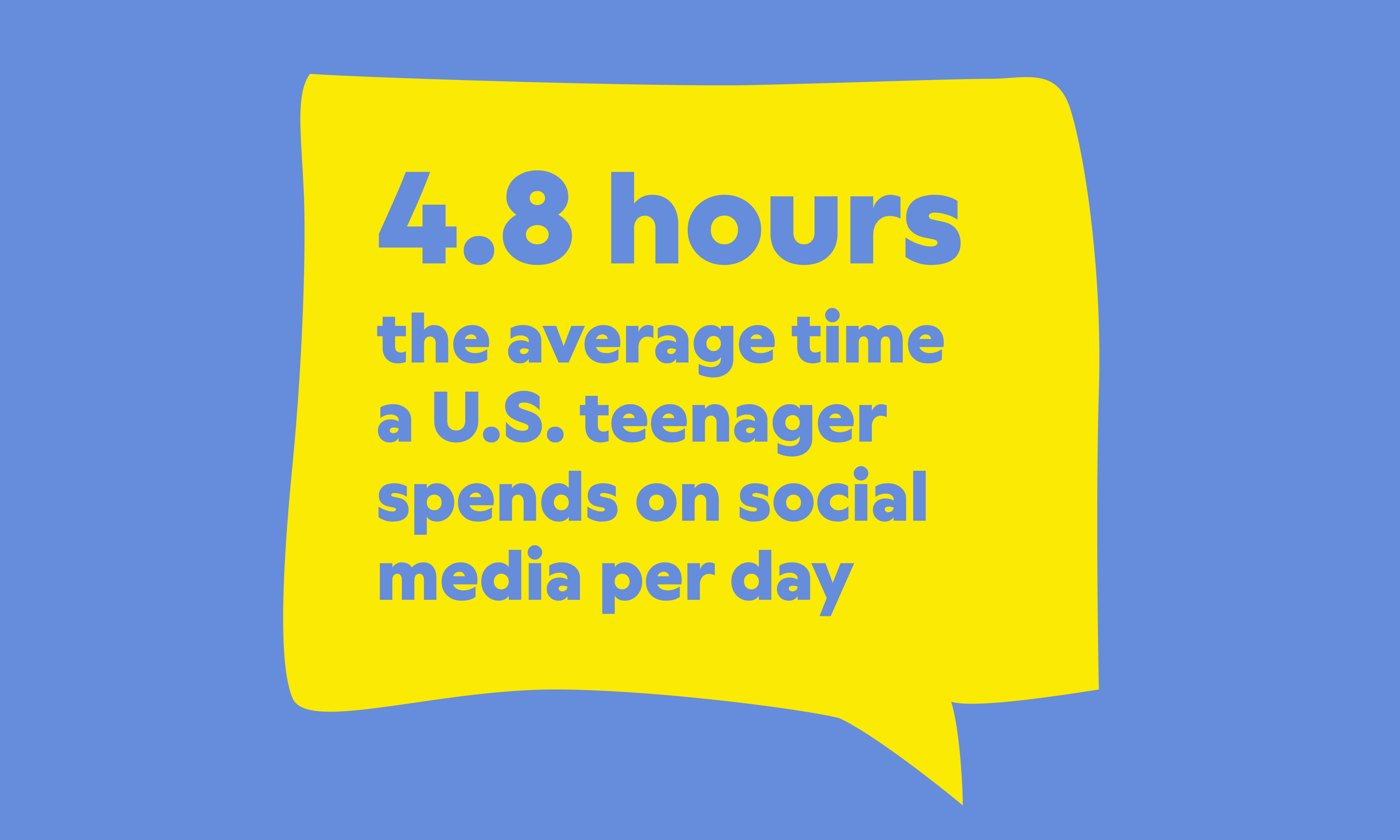 From anxiousgeneration.com.
Four norms work only if families adopt them together
Haidt's key practical point is that one family saying no is hard, because every other kid has the app. He calls this a collective action problem, and his four norms are designed to be adopted by whole schools and communities:
- No smartphones before high school. A flip phone, basic phone or watch for texting is fine.
- No social media before 16.
- Phone-free schools, from first bell to last.
- Far more independence, free play and responsibility in the real world.
The fourth is the one parents skip, and Haidt treats it as equal to the other three. Taking the phone away works better when a kid gets a bike, a friend's house and an afternoon of their own in its place.
The evidence is contested, and the norms do not depend on settling it
The book's causal claim is under live debate. In a review for Nature, the psychologist Candice Odgers wrote that its central argument "is not supported by science," that most of the data are correlational, and that the studies point at least as much to struggling teens using social media more as to social media causing the struggle. Pete Etchells's Unlocked makes a similar case at book length. Haidt has answered his critics on his Substack and argues the evidence for harm is strongest for teenage girls. Parents can weigh both. The norms themselves cost little: a later first smartphone, a phone-free school day and more time outdoors have few downsides even if the debate goes against him.
Watch him make the case
Haidt explains the great rewiring and the four norms on The Daily Show:
And at more length on PBS's Firing Line with Margaret Hoover:
 Haidt at TED in April 2026. Photo from jonathanhaidt.com.
There is a version for kids now
Haidt and Catherine Price adapted the book for 9- to 13-year-olds as The Amazing Generation, a graphic guide that skips the adult material and talks straight to kids. Price's own How to Break Up With Your Phone is the plan for the grown-ups. For the at-home how-to, Michaeleen Doucleff's Dopamine Kids and Emily Cherkin's The Screentime Solution pick up where the four norms leave off. Haidt's earlier book with Greg Lukianoff, The Coddling of the American Mind, is the first half of the argument about overprotection.