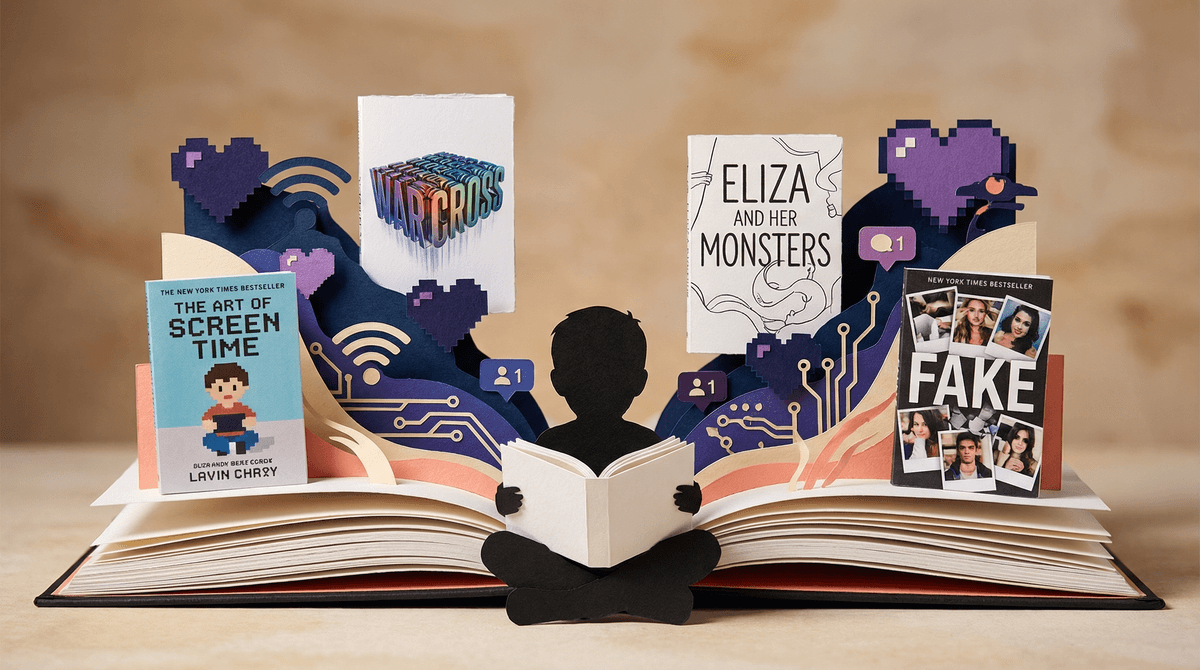
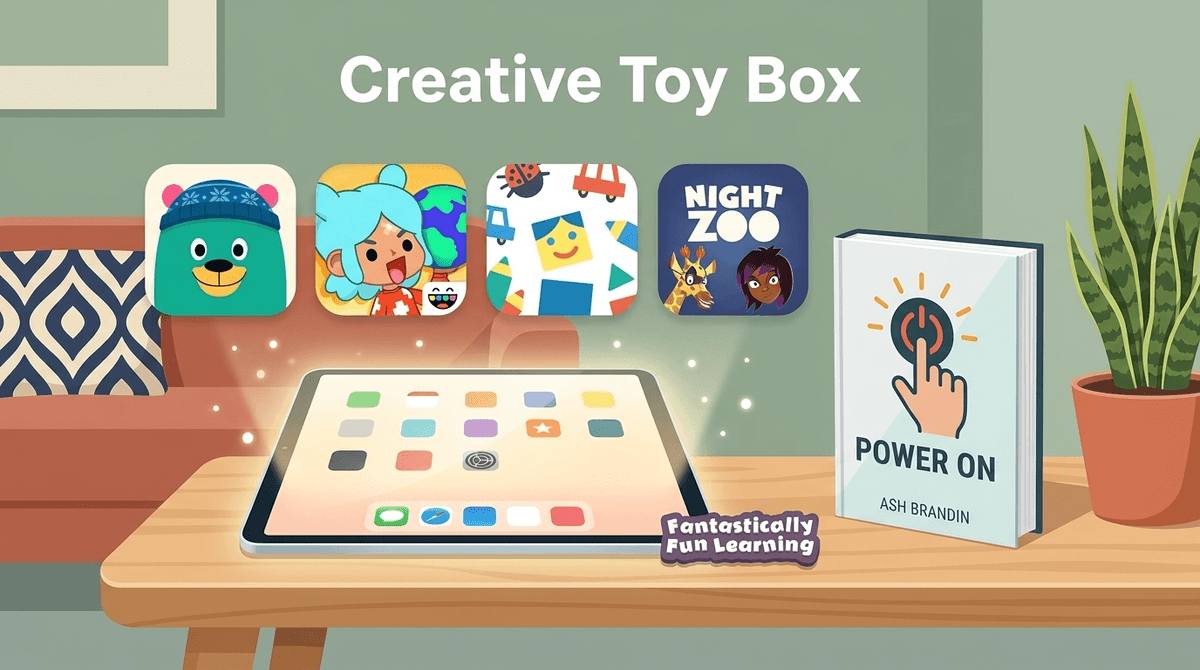
Seven words, borrowed from Michael Pollan
Kamenetz set out to answer the question every parent asks: how much screen time is too much? After reading the studies, talking to dozens of experts and surveying more than 500 families, she landed on a rule short enough to remember at the dinner table. Michael Pollan wrote "Eat food. Not too much. Mostly plants." Kamenetz wrote "Enjoy screens. Not too much. Mostly with others."
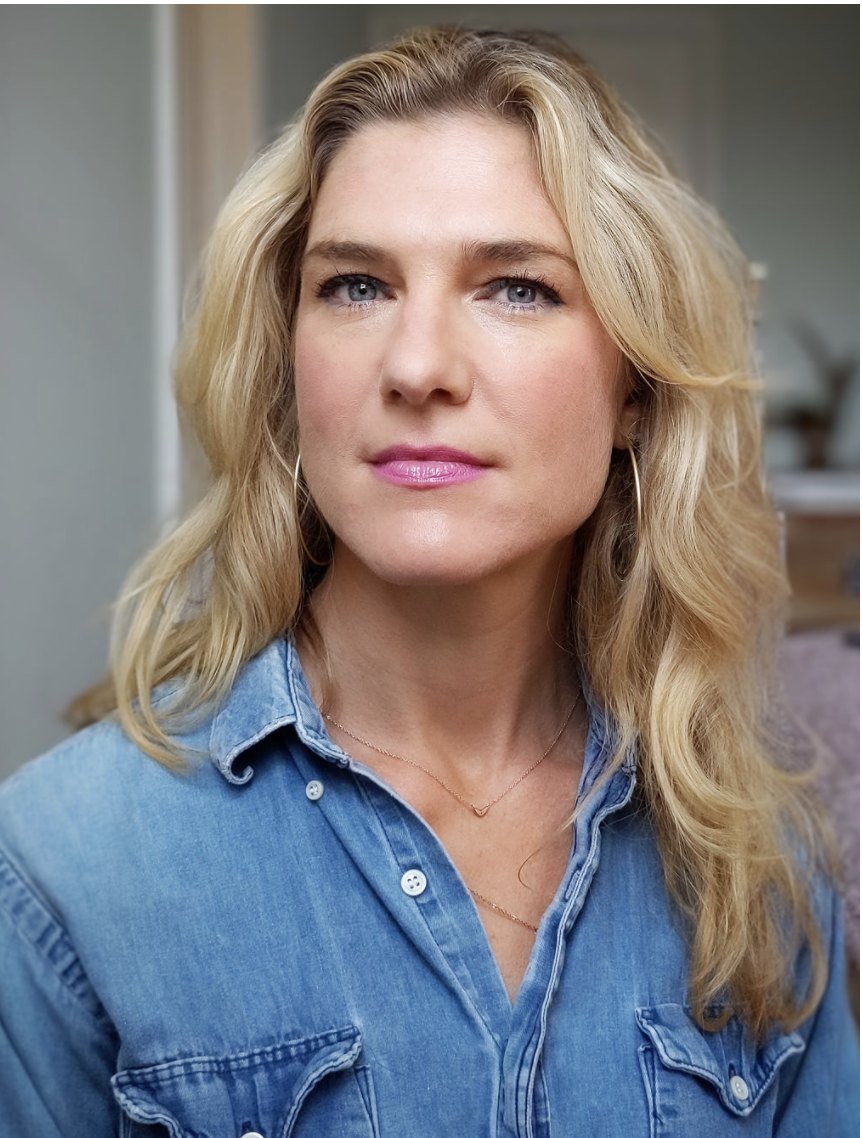 Anya Kamenetz. Photo from anyakamenetz.net.
Enjoy them, as tools for making and connecting
The first rule is the one that surprises parents. Kamenetz argues that kids who will work in art, design, business or science need tech skills, and that screens are good for creating, discovering and connecting: sending emojis to grandma, a video call with a cousin, a first coding app like ScratchJr. Enjoyment is the goal.
Not too much, and never at bedtime
The research she reviews is mixed on most of the big fears: aggression, ADHD, school performance. It is clearest on two things, sleep and weight. So her most concrete rule is about the clock: screens off well before bed, no devices in the hour before sleep.
Mostly with others, which is the part that changes the most
The third rule asks parents to watch and play alongside kids, talk about what they see, and learn the game they love. Co-viewing turns a show into a conversation, and it is the easiest of the three rules to start tonight.
Watch her explain the three rules
Kamenetz walks through all three in this NPR video:
The criticism: it is short on new answers, and it predates TikTok
Kirkus found the book stretched thin and suggested many readers skip to the last chapter, where Kamenetz gives a 10-point summary and, with a wink, offers "no judgment" to readers who do. That chapter is a good place to start. The bigger issue now is age: the book came out in 2018, before TikTok, before the pandemic year of remote school, and before generative AI. The principles hold; the platform examples do not.
What she did next
Kamenetz went on to write The Stolen Year (2022), about how the pandemic changed children's lives, and co-created NPR's Life Kit: Parenting podcast. She now writes The Golden Hour on Substack.
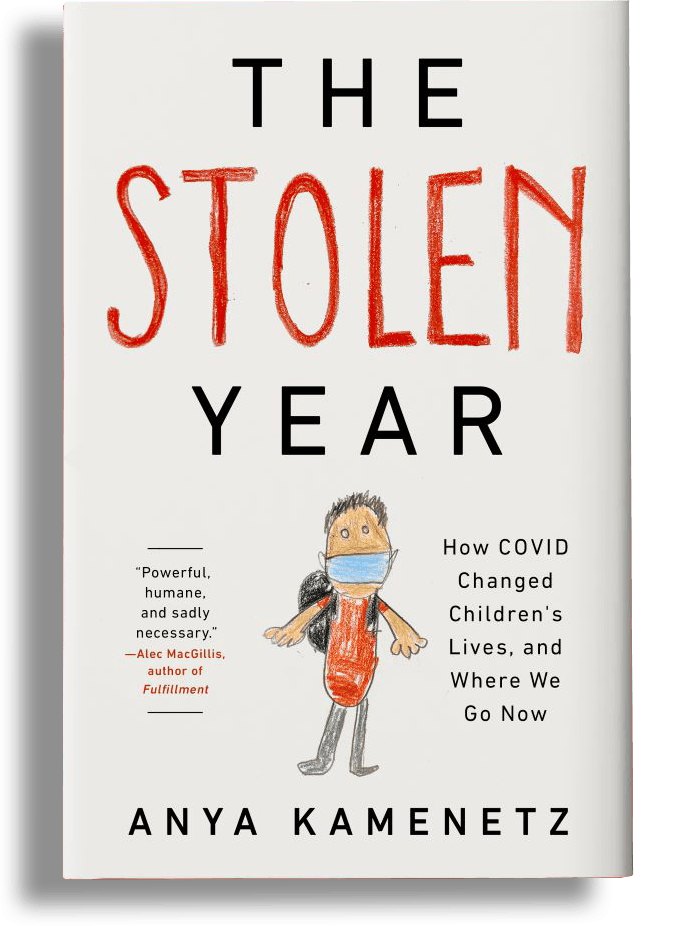 Kamenetz's next book, The Stolen Year (2022). Image from anyakamenetz.net.
Read it with
For an updated, hands-on version of the same middle path, Emily Cherkin's The Screentime Solution carries a blurb from Kamenetz: "It's not too late! You've got this!" For the research case that most screen-time fears are overstated, read Pete Etchells's Unlocked; for the opposite case, read The Anxious Generation.