Kindergarten is the best idea education ever had
Friedrich Froebel opened the first kindergarten in Germany in the 1830s and filled it with blocks, shapes and materials for kids to build and play with. At a 1999 conference on the greatest inventions of the previous thousand years, while others nominated the printing press and the steam engine, Resnick picked kindergarten. The rest of school, he argues, went the other way: desks, worksheets and lectures. Worse, kindergarten itself has been turning more academic, with sand tables and block corners pulled out of classrooms. His book makes the case for running it in reverse, so that every age learns the way 5-year-olds do.
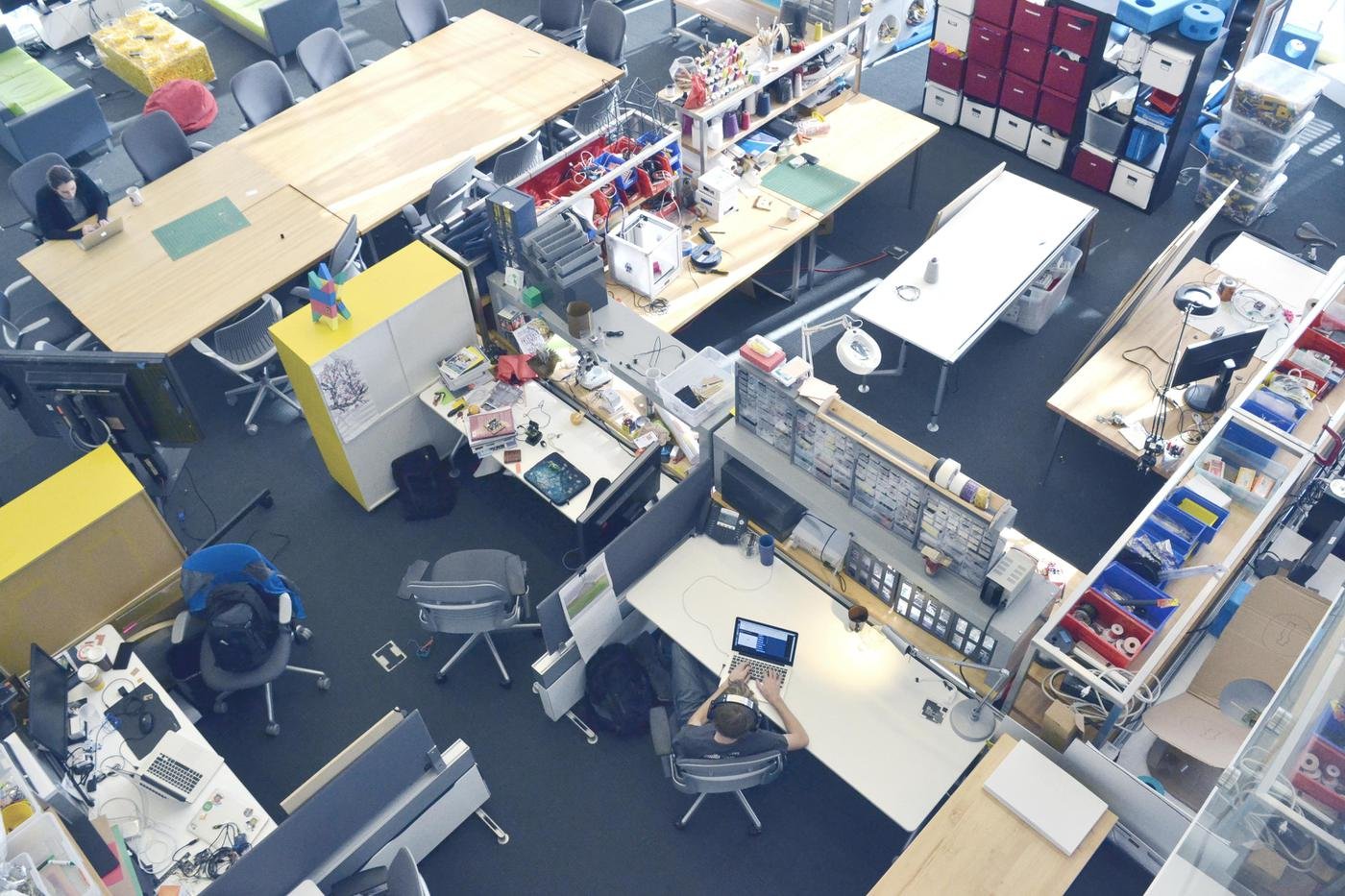 The Lifelong Kindergarten group's space at the MIT Media Lab. Photo from MIT Media Lab.
Projects, Passion, Peers, Play
The four Ps are the whole framework, and they are easy to use on anything your kid does:
- Projects: making something, a game, a story, a robot, instead of answering questions.
- Passion: working on something they care about, so they keep going when it gets hard.
- Peers: sharing, getting feedback and building on other people's ideas.
- Play: trying things, taking risks and testing limits.
Behind them is the creative learning spiral: imagine, create, play, share, reflect, and imagine again. Resnick's group built Scratch to run that loop. Kids snap together code blocks to make animations and games, share them in an online community, and remix each other's work. More than 100 million people have registered accounts.
 A Scratch workshop. Photo from the Scratch Foundation.
What it asks of parents
Resnick's tips for parents and teachers are about stepping back without stepping away. Ask questions you do not know the answer to. Help kids find others who share their interests. Let them tinker, and value the process as much as the product. The Computer Clubhouse chapters make the same point about teaching: the hardest part for adults is landing between taking over and leaving kids alone.
The reviewer David Longman, writing for an education association, admitted he first found it "worthy but not new," then decided it was "one of the more interesting and practical books I have read for a while." He also noted that the evidence is mostly stories and interviews, and that the book will not teach anyone Scratch.
 Mitchel Resnick. Photo from MIT Media Lab.
Watch him
Resnick's TEDx talk, "Kindergarten for Our Whole Lives":
A longer Q&A on the book with the Connected Learning Alliance:
Try it at home
Scratch is free in a browser, and ScratchJr puts the same ideas on a tablet for ages 5 to 7. For a parent's starting point, see getting started with Scratch coding for kids. For the research on why creative skills matter, read Becoming Brilliant.


