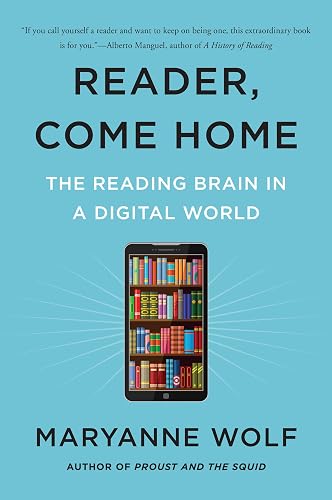
A reading scientist found she could no longer read her favorite novel
Maryanne Wolf studies how the brain learns to read. Her earlier book, Proust and the Squid, explained how reading rewires the brain, and she now directs the Center for Dyslexia, Diverse Learners, and Social Justice at UCLA. Reader, Come Home starts with a test she ran on herself. She noticed that she was reading "more to be informed than to be immersed," so she set aside time each day to reread Hermann Hesse's Magister Ludi, a dense novel she had loved when she was young.
She could not stand it. The sentences felt slow, her attention kept slipping, and she found herself impatient with a book she once adored. "It was as if I was walking in a foreign land," she said later. It took about two weeks of daily practice before she could sink into it again.
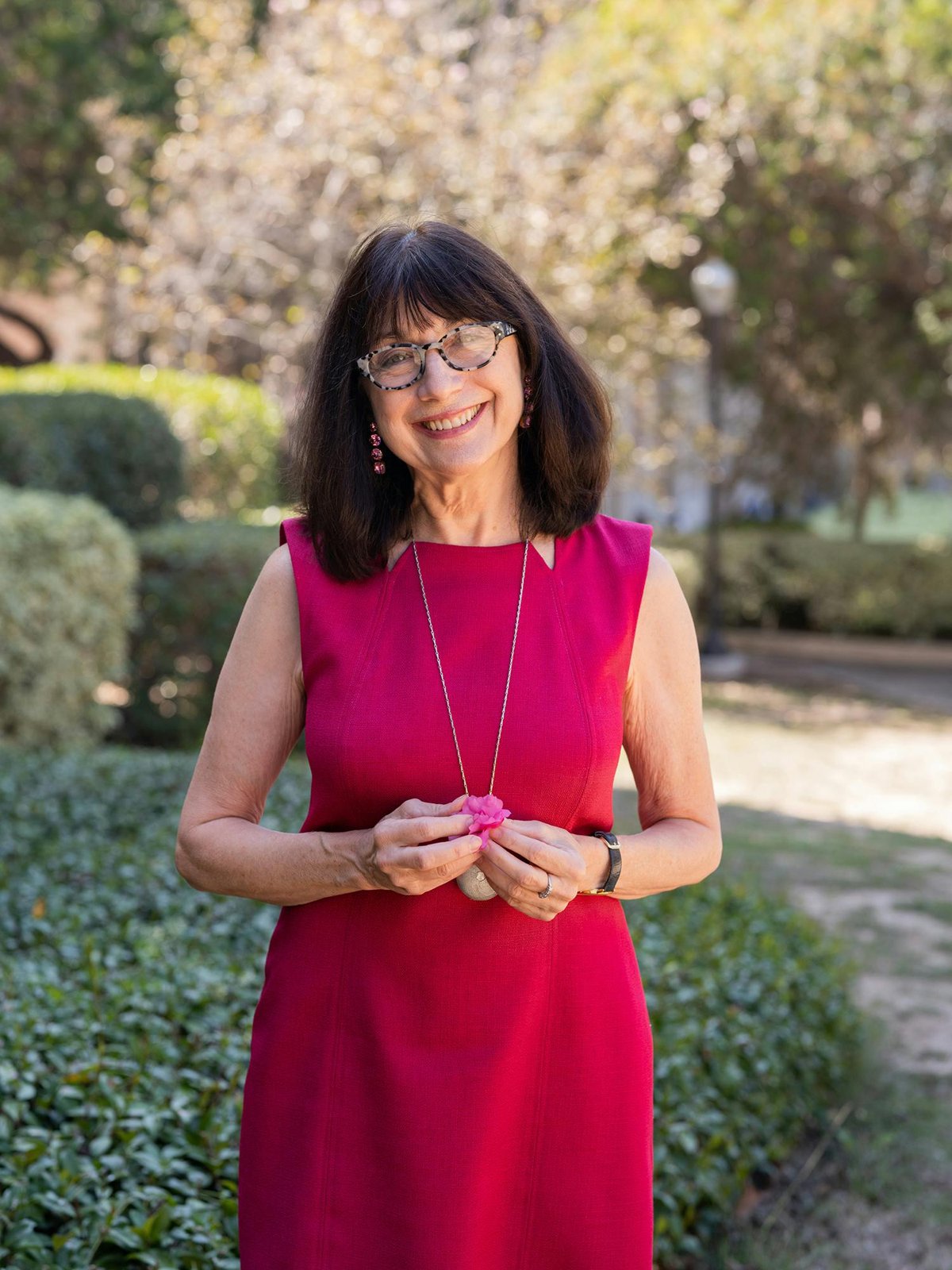 Maryanne Wolf at UCLA. Photo from the UCLA School of Education and Information Studies.
Skimming is becoming the default, and deep reading takes practice
Her worry is about deep reading: the slow work of connecting what you read to what you know, making inferences, weighing whether something is true, and feeling your way into someone else's point of view. Those skills are not built in. The brain has no reading center; each reader builds a reading circuit, and it grows deep only with use. On screens, Wolf argues, most of us skim: a quick look at the start, a dash to the end, then back for details if needed. Researchers she cites have found that people remember sequence and detail worse when they read on a screen.
If adults with decades of practice are losing the knack, she asks, what happens to children who build their reading brains mostly on screens?
Her plan for kids: print first, then add digital
Letters six through eight are written for parents and teachers. Wolf's proposal is a "biliterate brain," a child fluent in both deep print reading and fast digital reading, who can switch between them on purpose. Her sequence:
- Birth to 2: a loving adult reading to the child from real, physical books, with the closeness and touch that come with them.
- Ages 2 to 5: lots of stories, which build language and empathy as kids step into characters' lives.
- Elementary years: explicit teaching of reading in print until deep reading is solid, while digital skills like coding are taught on their own track.
- Later: bring the two together, so kids can choose the right kind of reading for the task.
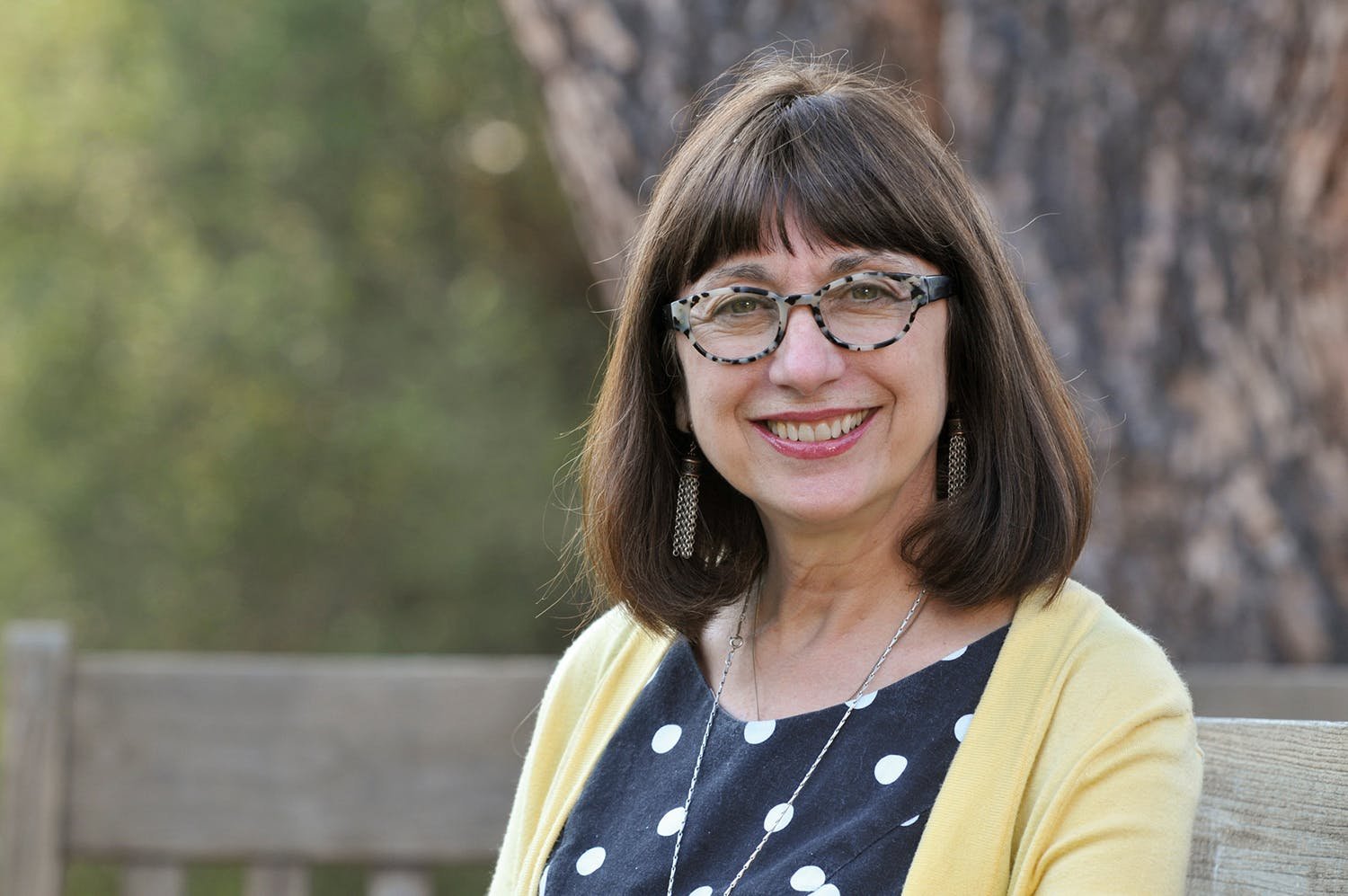 Maryanne Wolf. Photo by Rod Searcey, from UCLA.
The letters are lovely and dense
Wolf wrote the book as nine letters to "Dear Reader," packed with quotations from poets and novelists. Kirkus called it "an accessible, well-researched analysis," and readers who love literature will enjoy the company. Others find the literary detours skimmable and the letter format distracting. She is also candid that the research on how screens change children's reading brains is young; much of the book is a well-informed warning and a call for more study, not a set of settled findings. Princeton chose it as a pre-read for incoming students.
Watch her explain it
Wolf on C-SPAN's Book TV:
Her talk on the neuroscience of reading at the Falling Walls conference:
Read it with
Tap, Click, Read is the more hopeful view of screens and young readers. Raising Kids Who Read is the practical how-to for building readers at home, and Stolen Focus widens the lens to attention in general. For using screens to support reading, see screen time that supports reading comprehension.