Feeling bad is not the same as being unwell
Damour opens on a belief she hears from teenagers in her practice: that feeling anything other than calm or happy means they are "failing at wellness." Her answer is the definition the whole book rests on. Mental health, she writes, "is not about feeling good. Instead, it's about having the right feelings at the right time and being able to manage those feelings effectively." Disappointment after a failed test is the right feeling. The trouble starts when a feeling is out of proportion to what happened, or when the way a teen copes does damage.
That changes the parent's job. If a sad teen is a broken teen, the parent has to fix the sadness. If sadness is a fitting response to a hard day, the parent's job is to keep the teen company while they get through it.
 Lisa Damour. Photo from drlisadamour.com.
Teen feelings run hot because the brain is mid-renovation
Damour explains adolescence as a "physiological renovation" of the brain that upgrades the emotion centers early and reaches the regions that keep perspective last. A mean group text can feel like a catastrophe to a 14-year-old in a way it would not to an adult. In her account, emotional intensity peaks around 13 or 14 and eases after that. Strong teenage feelings are "a feature, not a bug."
Listen first, and hold off on fixing it
The most usable chapters are about the moment itself. When a teen vents, Damour suggests figuring out whether they want help or want to be heard, and often it is the second. Listening is a coping tool in its own right: "By the time teens are telling us that they feel anxious or angry or sad," she writes, "they're already using an effective strategy for helping themselves cope with it." For teens who are not talkers, she points to other outlets: a run, music that matches the mood, or a short stretch of a video game after a rough day.
She also covers how differently boys and girls are taught to handle feelings. Girls are encouraged to express sadness and fear and to talk things through. Boys are steered toward toughing it out or distracting themselves. Both, she argues, do better when they can name what they feel.
Knowing when to worry
Like her earlier books, this one draws a line between the ordinary storms of adolescence and distress that needs professional help, and it gives parents guidance on telling the two apart. It also covers the stress teens carry from the pandemic, discrimination and the news, and includes a section on supporting teens who question their gender identity, where Damour urges parents to let the teen lead rather than calling it a phase.
The criticism: the families in it mostly have resources
Reviews were warm. Kirkus called it "a calm, wise, and empathetic guide," and the New York Times reviewer called it the nuanced, empathetic book she wished she had had. One reviewer writing for college educators found that most of the case studies come from affluent teens in stable homes, families who can get specialized help when they need it. The listening and coping tools work in any house. If therapy is hard to reach where you live, bring in a school counselor or your pediatrician early.
Watch her explain it
Damour's TED talk on the three stages of anxiety overload, and what to do at each one:
Her full talk on the book at Case Western Reserve University:
Read it with
Untangled, Damour's 2016 bestseller, maps the seven developmental jobs of teenage girls and was revised in 2025; this book widens the lens to all teens. Damour also worked as an expert collaborator on Pixar's Inside Out 2, the movie about the new emotions that arrive with 13, which makes a good family watch alongside it. She co-hosts the podcast Ask Lisa: Untangling Family Life, and her next book, The Emotional Lives of Parents, is due February 9, 2027.
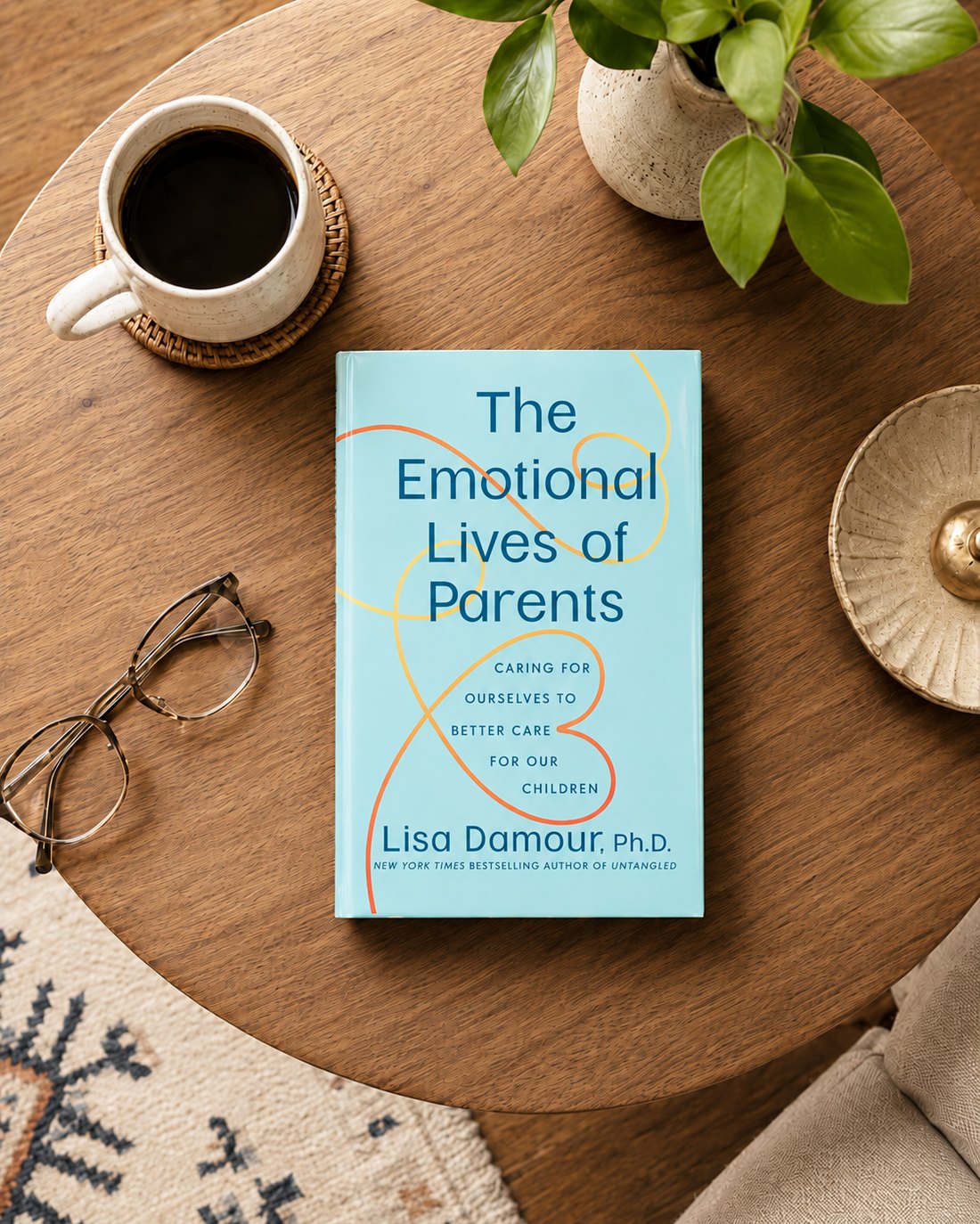 Damour's next book, due in February 2027. Image from drlisadamour.com.


