AI is the first technology that can pretend to be a person
Suskind's argument starts in the nursery. Human babies are born with brains about a third of adult size, and in the early years they form more than a million neural connections a second from snuggles, talk and back-and-forth with the people around them. Babies also attach to their caregivers, and that attachment teaches them what a relationship is. Earlier screens could show a child things. AI can talk back, remember a child's name and act like a friend, and to a 3-year-old that can feel like a relationship.
"Human connection is not a nice to have. It's a biological necessity," she told Axios.
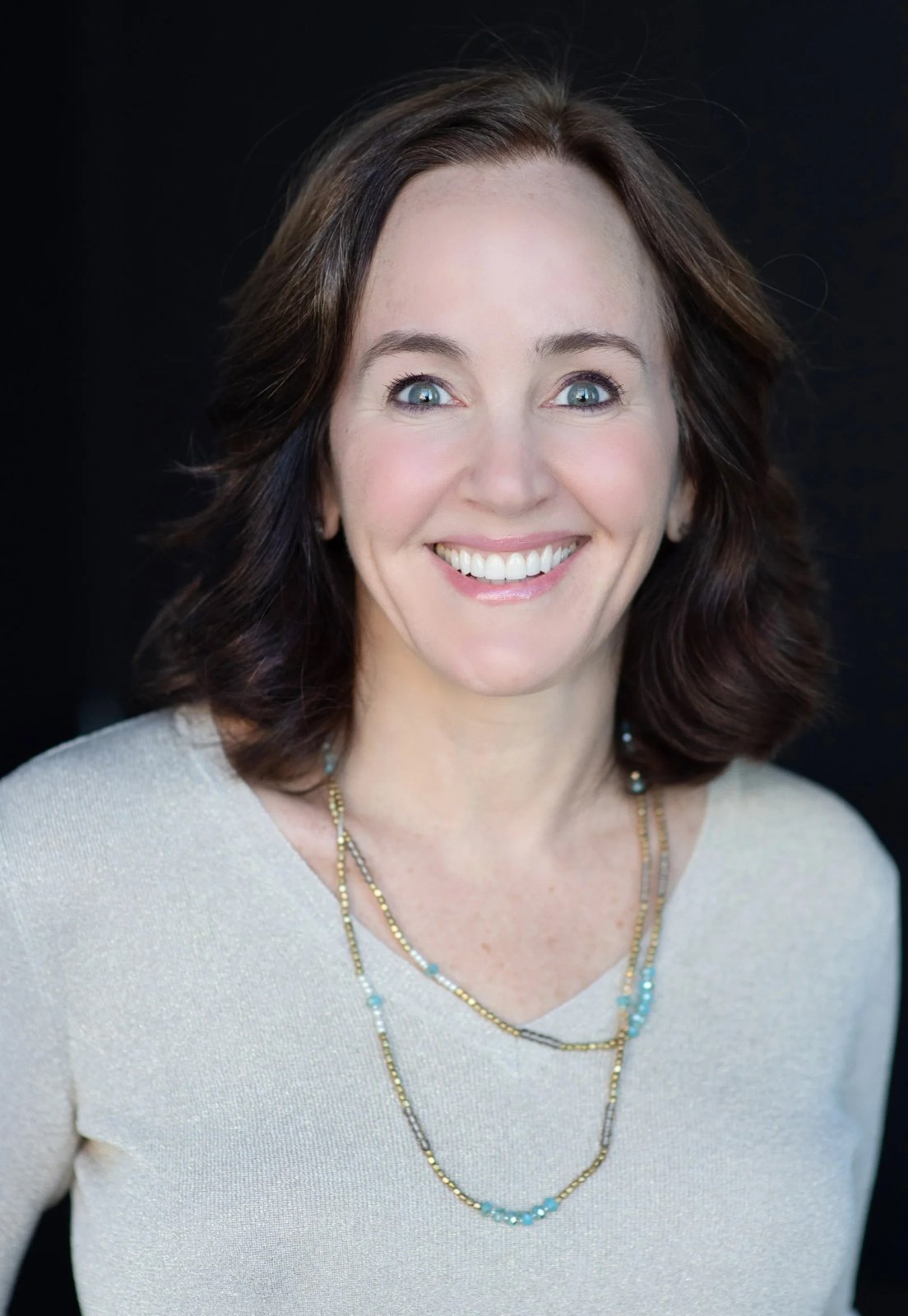 Dana Suskind, professor of surgery and pediatrics at the University of Chicago. Photo from humanraised.org.
A friend who always agrees teaches the wrong lesson
The most memorable idea in the book is about imperfection. A real parent loses patience, says no, gets it wrong and makes up. A child learns from that cycle that a relationship survives conflict. An AI companion is always there, always responsive and always on the child's side. Suskind's worry is that a childhood spent with that kind of companion teaches kids to expect something no person can give, and to prefer it. Her original working title for the book was "The Trojan Teddy Bear."
HOPE is a test you can run on any product
Suskind does not rate apps; technology changes too fast. She gives parents four questions:
- Human connection is irreplaceable. Does this replace a conversation with a person?
- Own the imperfections. Is it selling a perfect, optimized childhood?
- Protect the early years. Is my child under 5?
- Enhance, don't replace. Does it give me more time with my kid, or take my place?
A tool that frees a parent to be more present passes. A plush toy that reads the bedtime story so the parent can leave fails.
Attention could become a luxury
Suskind compares AI tutors and companions to ultra-processed food: cheap, convenient and able to crowd out what kids need. She worries about two tracks, with some families able to give their kids a human-rich early childhood and others handed the artificial version. That makes the book as much about policy as parenting. For a parent today, her smallest step is the one to start with: one period a day, 15 or 20 minutes, with no multitasking and no device between you and your child.
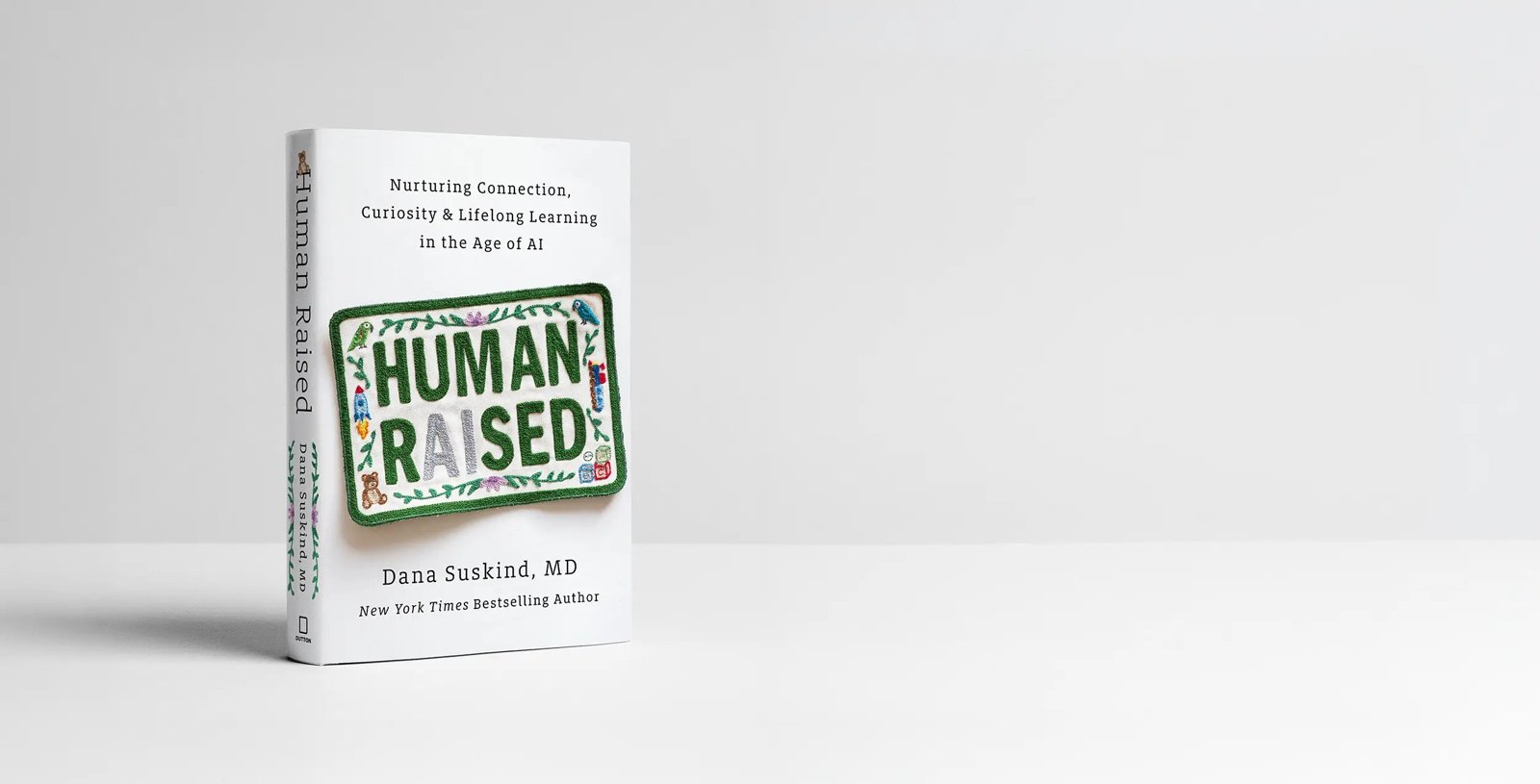 Human Raised. Image from humanraised.org.
Hear her explain it
Suskind on the University of Chicago's Big Brains podcast:
Her conversation with Adam Grant for TED's ReThinking:
Read it with
Suskind's first book, Thirty Million Words, is the science of early talk this book defends. Jonathan Haidt, author of The Anxious Generation, blurbed it: "As AI threatens to do to children's relationships what social media did to their attention, Dana Suskind gives parents a clear understanding of what must be preserved."


