A surgeon noticed that hearing was not enough
Dana Suskind operates on deaf babies. A cochlear implant can give a child hearing, and in her early years as a surgeon she expected her patients to learn to talk once they could hear. Some did, keeping up with their classmates. Others struggled for years. The children were medically alike. What differed was their homes: the kids who thrived had families who talked with them constantly. "Without that language environment, the ability to hear is a wasted gift," she writes.
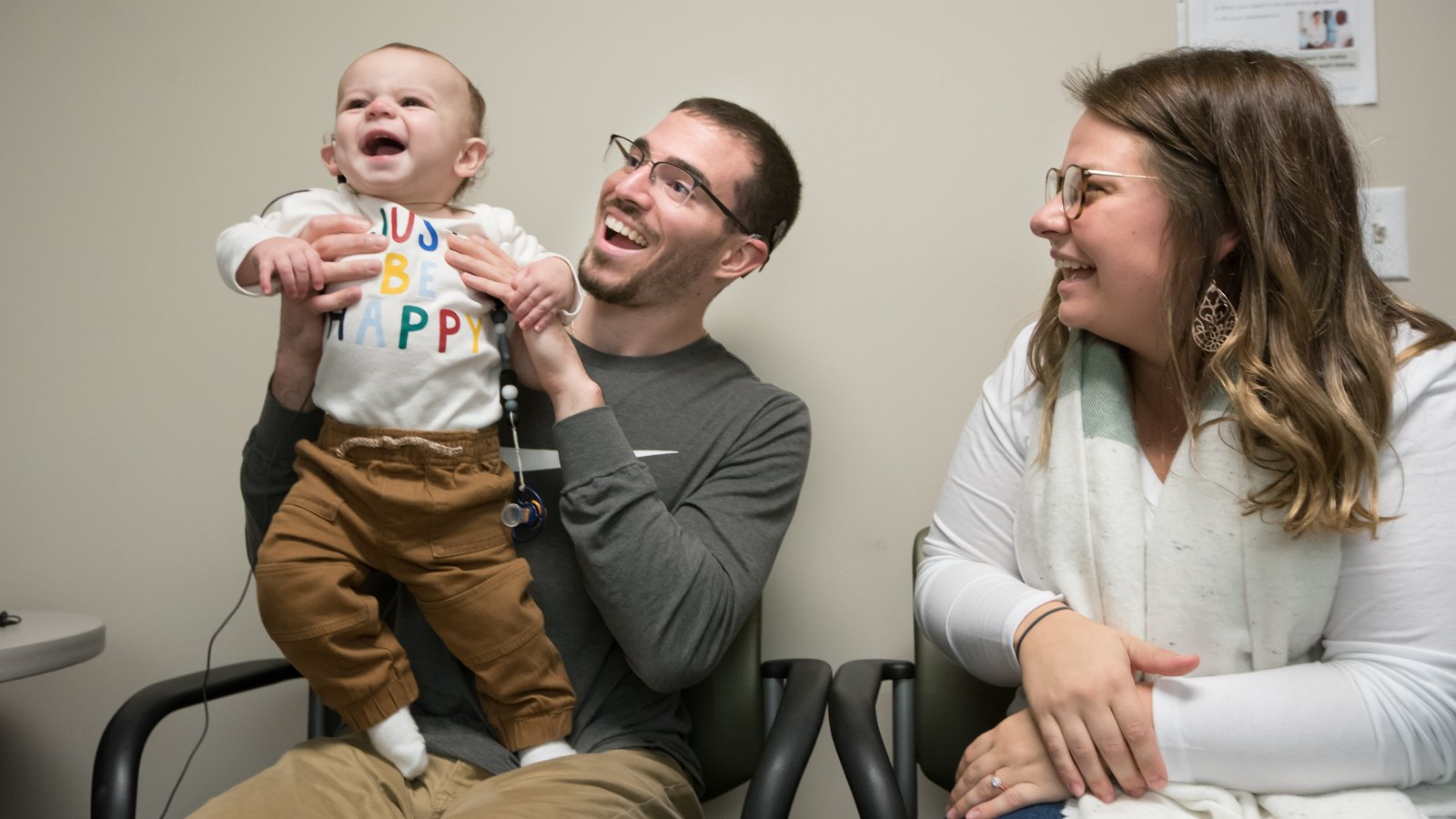 A baby newly fitted with a cochlear implant, with his parents, at the University of Chicago. Photo from UChicago News.
The first three years build the house
Suskind explains the brain science for parents. In the first three years, a child's brain grows faster than it ever will again, and the connections between neurons are built by experience, above all by talk and back-and-forth with caregivers. The connections that get used stay; the ones that do not get pruned. That is why a parent describing the laundry to a 10-month-old is doing more than it looks like.
Tune In, Talk More, Take Turns
The 3Ts are the practical heart of the book:
- Tune In. Notice what your child is looking at or playing with, and talk about that, not what you wish they were paying attention to.
- Talk More. Narrate the day, and use real words and lots of them.
- Take Turns. Treat a coo, a point or a babble as your kid's turn in the conversation, then answer it.
Suskind also stresses tone. In Hart and Risley's study, some children heard far more prohibitions ("get down, don't do that") than encouragement, and she argues the ratio shapes how kids see themselves.
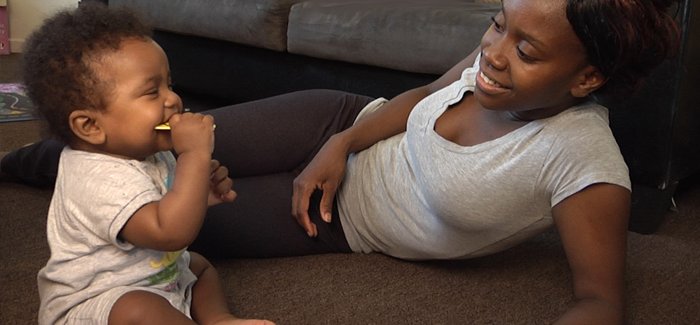 A Thirty Million Words family at home. Photo from University of Chicago Magazine.
The famous number is contested; the habit holds up
The 30 million figure came from 42 families in the 1990s, and in 2018 and 2019 researchers Douglas Sperry, Linda Sperry and Peggy Miller published a study of five communities that found much smaller differences once they counted all the talk around a child. Child-language researchers including Roberta Golinkoff and Kathy Hirsh-Pasek replied that the speech aimed at the child, the kind the 3Ts describe, is what predicts language growth, and that gap is real. A parent can skip the fight over the number. Conversation with your baby helps, whatever your income.
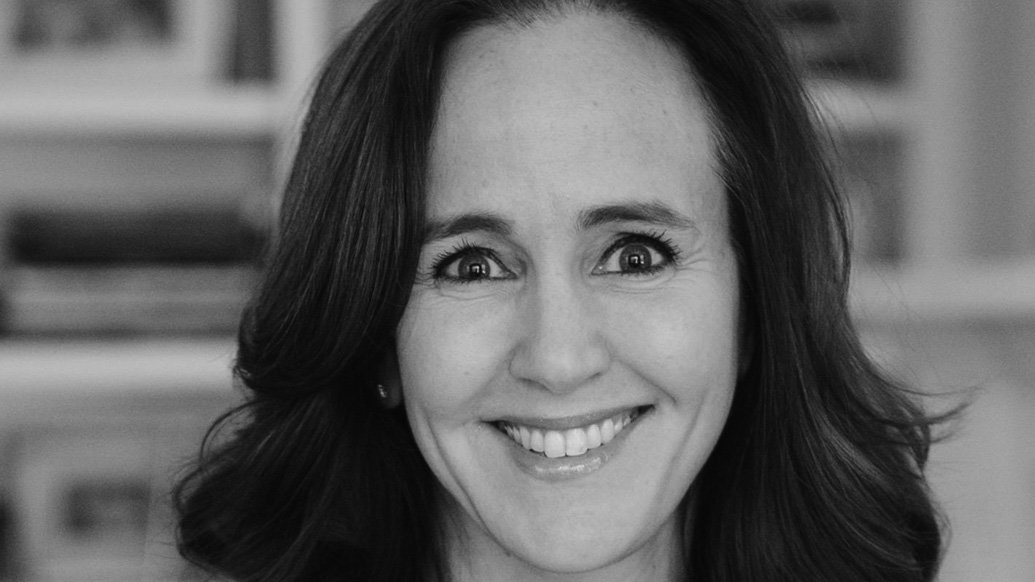 Dana Suskind. Photo from UChicago News.
Hear her tell it
Suskind's 2015 talk on the book for the Family Action Network:
Her University of Chicago Harper Lecture, "What Difference Do 30 Million Words Make?":
Read it with
Suskind's newest book, Human Raised, asks what happens to this kind of talk when AI toys and tutors arrive. For the play side of early learning, see Einstein Never Used Flash Cards, by two of the researchers who defended the word-gap research.


