Pregnancy rules came with no reasons, so an economist went looking for them
When Emily Oster was pregnant with her first child, she kept getting rules without explanations: no coffee, no sushi, no deli meat, no wine, and a prenatal-testing schedule nobody walked her through. As an economist, she was used to weighing costs and benefits with real numbers. So she went to the studies behind each rule, and Expecting Better is what she found. Some rules hold up. Some rest on weak evidence. A few point the wrong way.
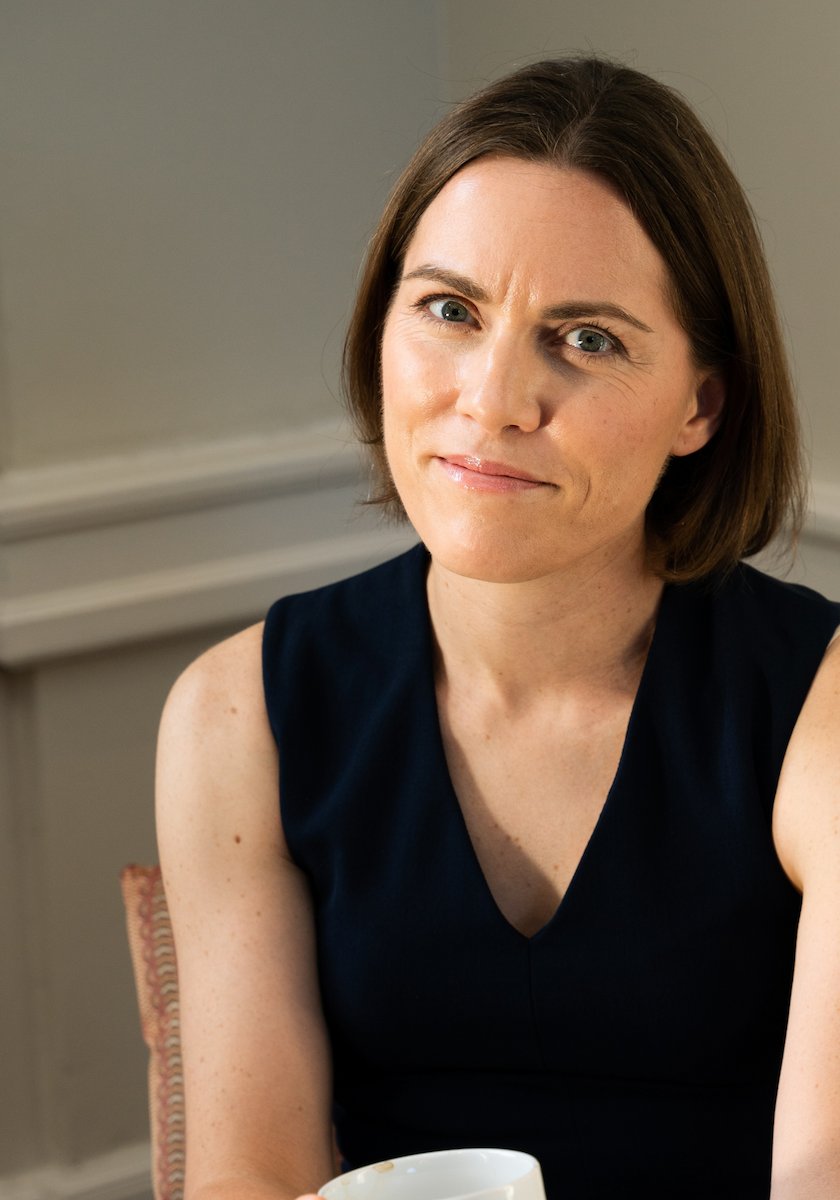 Emily Oster. Photo from parentdata.org.
Coffee, sushi and gardening, ranked by what the data shows
The book walks through pregnancy in order, from trying to conceive to delivery, and for each question it sorts strong studies from weak ones. The cover of the current paperback lists a few of the headline findings: sushi and cheese are not so bad, gardening can be (cat litter and soil carry toxoplasmosis risk), gaining too much weight may be safer than gaining too little, and bed rest is a terrible idea. Moderate caffeine is fine. Prenatal tests get a clear explanation of what each one can and cannot tell you.
The alcohol chapter is short and gets all the attention
Oster's most debated conclusion is that light drinking, an occasional glass of wine, has not been shown to harm a baby in the best studies, which separate light drinkers from women who ever binge. She describes the outrage in her own words: a fetal-alcohol advocacy group issued a press release calling her harmful and irresponsible before the book came out. The American College of Obstetricians and Gynecologists says no amount of alcohol in pregnancy is known to be safe. Both positions are on the table in the book. If you are pregnant, the safest choice remains not drinking, and any decision to have the occasional drink is one to make with your OB.
She keeps updating it
Oster has revised Expecting Better several times as better studies arrived. She has written that the section on sleeping on your back is the most-edited part of the book, because a large study eventually found that sleep position did not raise stillbirth risk. A big trial on induced labor (ARRIVE) and much better prenatal blood tests changed other chapters. The current paperback is labeled fully revised and updated for 2025.
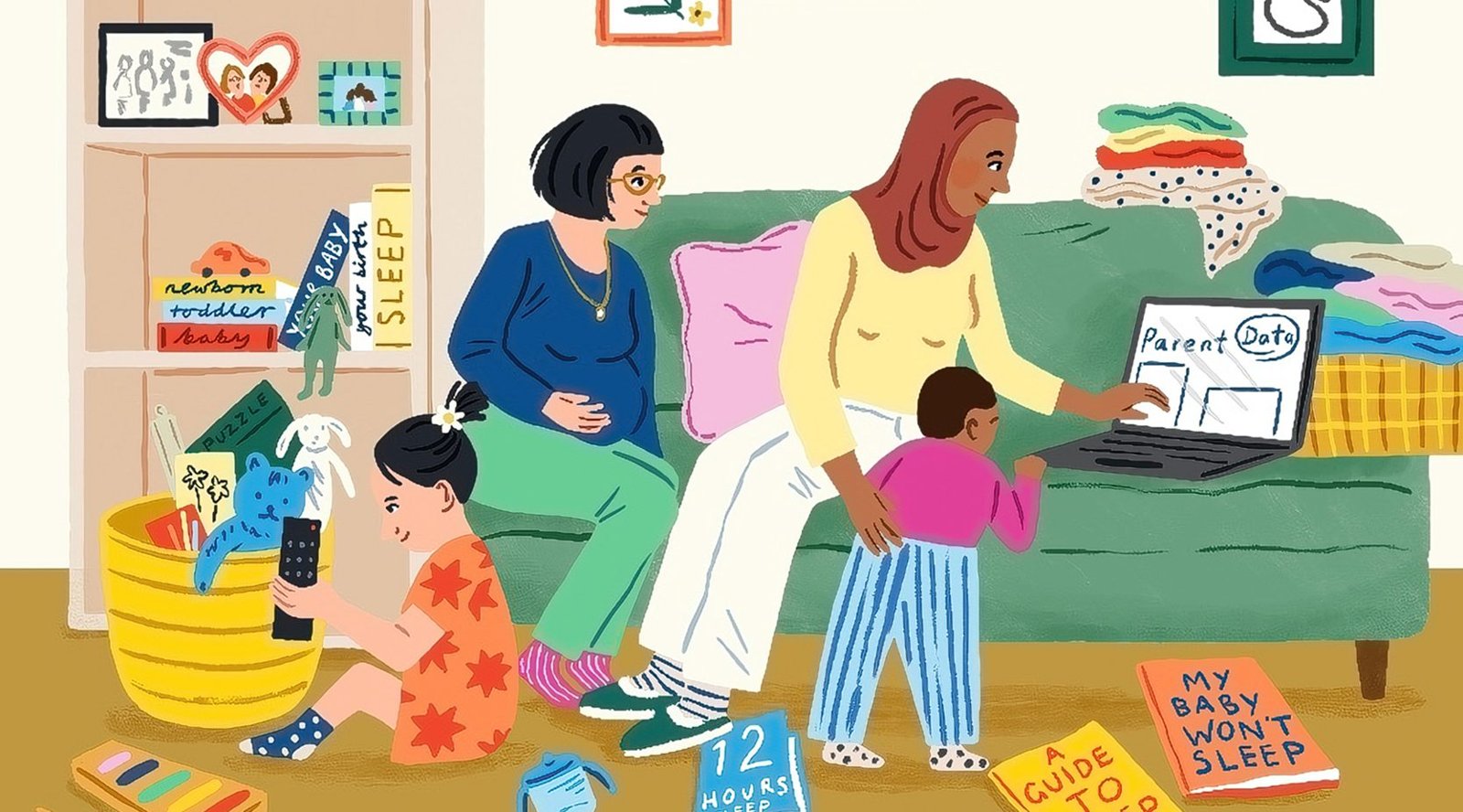 ParentData, the newsletter and site where Oster keeps updating the research. Illustration from parentdata.org.
Hear her go through it with an OB
Oster talks through the book's biggest questions with maternal-fetal medicine specialist Dr. Nathan Fox on his Healthful Woman podcast:
Read it with
After the baby comes, Cribsheet applies the same method to birth through preschool.


