Kids told her their parents feel like paparazzi
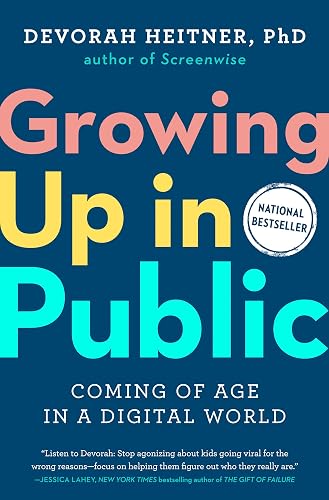
Heitner wrote this book from a mismatch she kept hearing. In her student workshops, kids said their parents felt like paparazzi they needed to hide from. In parent sessions, adults told her, "Kids don't care about privacy!" Both groups were talking about the same families. The book is her attempt to get each side to see what the other sees.
 Devorah Heitner. Photo from devorahheitner.com.
Covert tracking costs you the call when something goes wrong
The book's sharpest advice is about surveillance. Tracking apps, grade alerts and reading a teen's texts can feel safer than a hard conversation, and Heitner says so. Her worry is what it does to trust. "Going all NSA on our kids with covert monitoring is not a good strategy for building trust and helping them learn to be independent," she told Fatherly. A teen who feels watched is less likely to come to you when a group chat turns ugly or a friend mentions self-harm, and those are the moments you most want the call.
She does not ban tracking. Some teens she interviewed accept location sharing as a reasonable safety step; others hate it. The book points toward tracking that is agreed on openly and loosened as the kid shows judgment.
A post is a T-shirt, and a meme can follow a kid for months
For kids, the practical rule is simple: before you post, ask whether you would wear it on a T-shirt. The book shows why with real stories. A ninth-grader Heitner calls Hannah reposted a meme early in the pandemic that blamed China for COVID-19. A friend told her it was racist; she took it down. When school reopened months later, she was still frozen out, and winning back her place took time and work.
Parents worry most about posts wrecking a college application. Heitner points out that research shows such cases are rare, and that the bigger risk is a kid who never learns to think before posting because a parent was policing every move.
Parents are the first stewards of a kid's online life
The sharenting chapter turns the lens around. "As parents, we are the first stewards of our child's online reputation," Heitner writes, and she suggests asking your kid before you post about them once they are old enough to have an opinion. What a parent shares is a statement of values, and kids are taking notes.
 From the publisher's Amazon page.
The book asks parents to live with judgment calls
This is not a rulebook. Kirkus called the balance between supervision and freedom "a tricky matter of judgment," and Heitner leaves a lot of it to each family. If you want a phone contract you can sign tonight, pair it with one; use this book to decide what goes in it. The sexting and harassment chapters are frank, and they are written for the adults. Heitner's site offers free discussion guides for parent groups and book clubs.
Read it with
Heitner's first book, Screenwise, covers the younger years when kids first get devices. Tina Payne Bryson, coauthor of The Whole-Brain Child, praised this one for helping kids feel "seen instead of watched." Julie Lythcott-Haims, who wrote How to Raise an Adult, and Jessica Lahey, author of The Gift of Failure, both blurbed it, and it makes the same argument as their books about independence, applied to a phone.