Resilience can be taught, and middle school is the time
Fagell wrote this book after watching kids come back to school from the pandemic changed. Her argument is that resilience is not a trait a child is born with. "It's a set of skills that can be developed," she told Parent and Teen, and middle school is the right moment because kids are still impressionable and still care what adults think. They also feel everything, in her phrase, "as a 10 on a scale of 1 to 10," which is why a lost friend or a missed cut can feel like the end of the world.
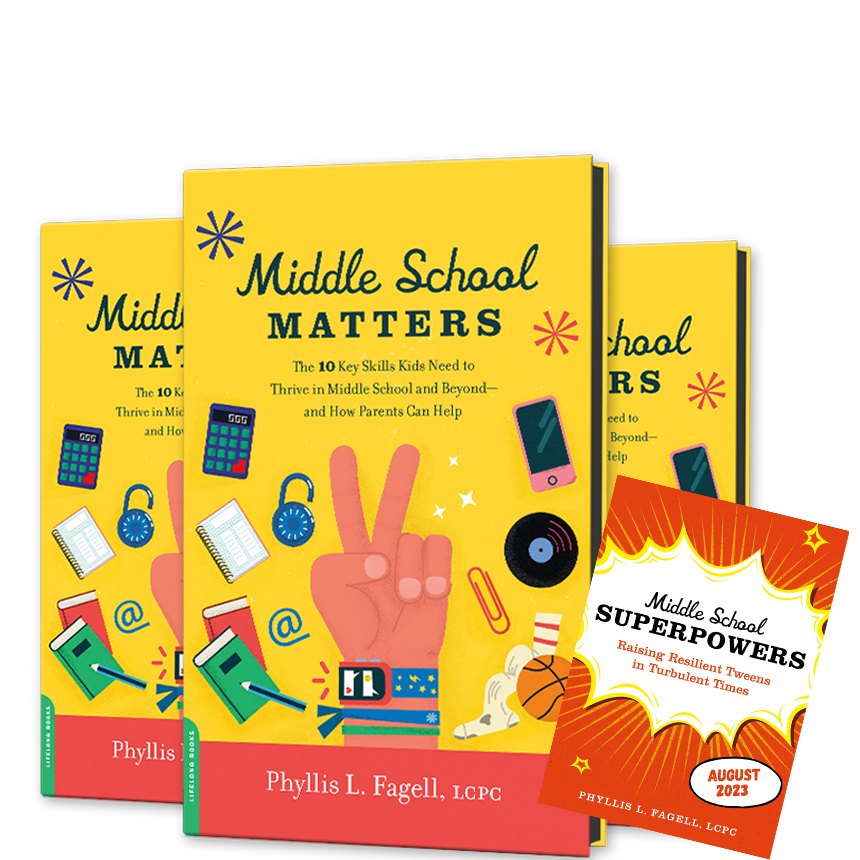 Fagell's two middle school books. Image from phyllisfagell.com.
Twelve superpowers, one chapter each
- Super Flexibility: managing change and uncertainty
- Super Belonging: finding your place and making strong connections
- Super Sight: anticipating problems before you decide
- Super Vulnerability: knowing when and how to ask for help
- Super Bounce: learning and recovering from missteps
- Super Agency: finding your purpose and acting on it
- Super Forcefield: setting healthy boundaries
- Super Security: taking pride in your identity and stepping into someone else's shoes
- Super Healing: coping and self-regulating emotions
- Super Balance: setting a reasonable pace and realistic goals
- Super Daring: going out on a limb and taking smart risks
- Super Optimism: finding hope and humor
Each chapter opens with the moments that skill is for: losing a friend, getting cut from a team, a mistake on social media, a bombed test, body-image worries, the weight of the news. Then come strategies, Top Tips for Parents, Ideas for Educators, and How to Tackle the Topic with Your Middle Schooler.
Start with the child in front of you
Fagell does not expect families to work through all twelve. Her advice is to start where your kid needs the most support: Super Sight for an impulsive kid who does not think about tomorrow, Super Optimism for one who is relentlessly negative, Super Flexibility for one who melts down at change. Build from the strengths they already have.
One piece of friendship advice surprises parents. She argues kids do not need a single best friend, which can backfire if that friendship goes south. The kids who do best in high school, in her experience, are the floaters who can be friends with all kinds of people.
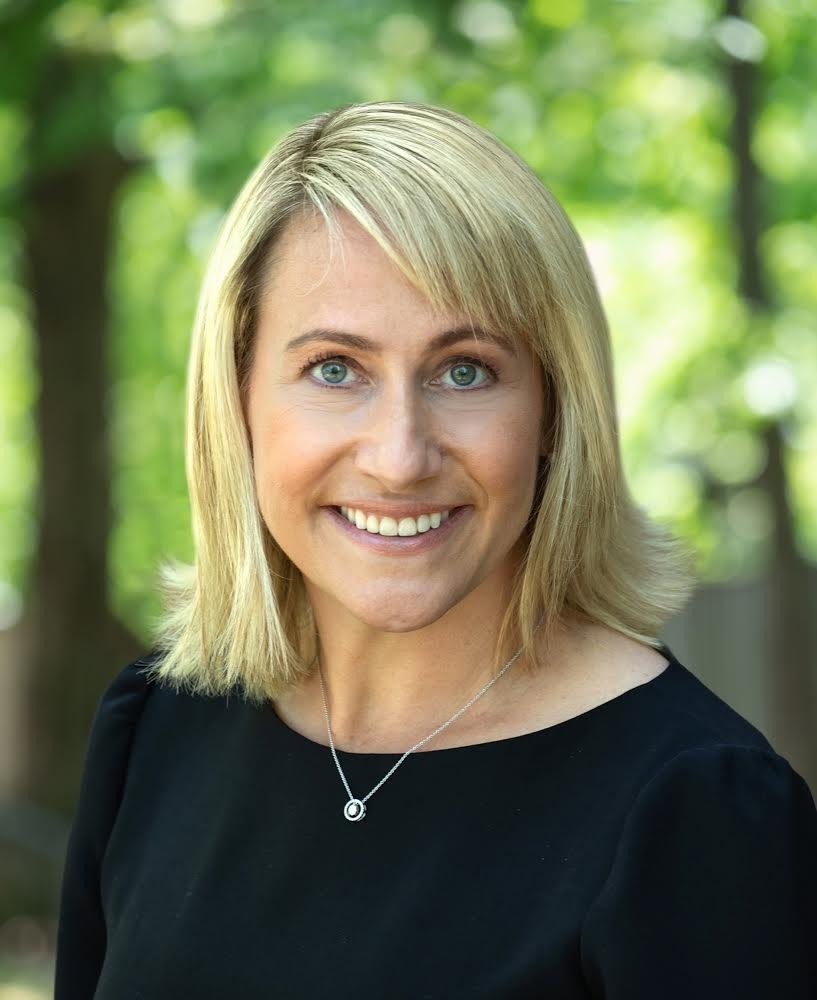 Phyllis Fagell. Photo from phyllisfagell.com.
Written for parents and teachers at once
Every chapter includes ideas for educators, and the book ends with discussion guides for parent and educator book clubs. A reviewer at WeAreTeachers called it an indispensable guide for educators. For a parent, that means some sections are written for a classroom; skim them or pass them to your kid's teacher. Fagell's earlier book, Middle School Matters, is the broader guide to these years and pairs well with this one.
Watch her explain it
Fagell on the twelve superpowers with Katie Kimball:
And on The Puberty Podcast from This Is So Awkward:
For the social side of these years, see middle school social dynamics.


