A sixth-grade teacher whose students read 40 books a year
Donalyn Miller wrote The Book Whisperer while teaching sixth-grade language arts and social studies at Trinity Meadows Intermediate School in Keller, Texas. However far behind her students were in August, they ended the year having read an average of 40 to 50 books. Her claim is that she had yet to meet a child she could not turn into a reader, and the book is how she does it.
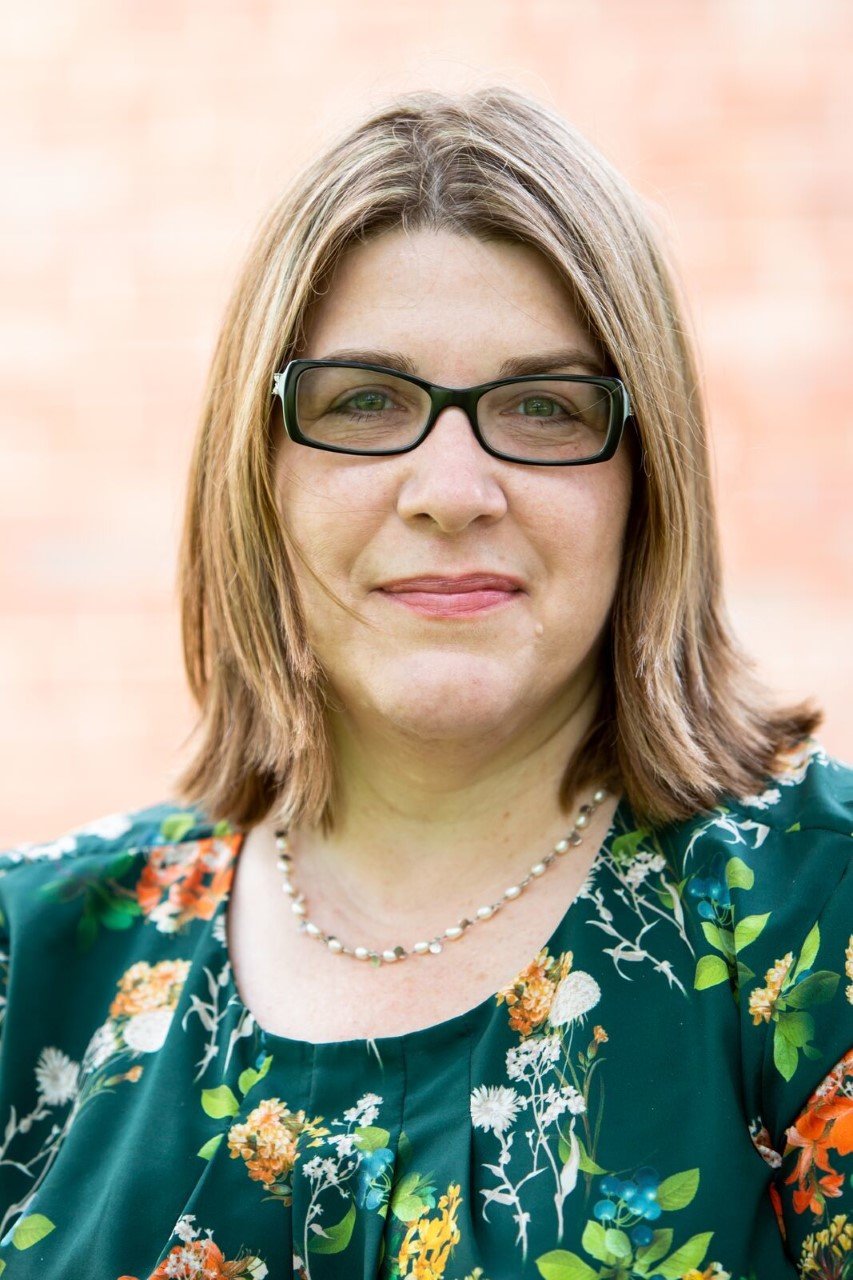 Donalyn Miller. Photo from bookwhisperer.com.
The method is simple to describe and takes a lot of trust to carry out. Kids choose their own books. They get real time to read every day. Their teacher reads too, and talks about books like a reader. And the things that make reading feel like school (book reports, comprehension worksheets, whole-class novels, reading logs and incentive programs) go out the door.
Every kid is a reader, including the ones who say they hate it
Miller rejects labels like "struggling" and "reluctant" because there is no hope in them. She describes kids instead as developing readers, who are still building skill; dormant readers, who can read but have not found the right book; and underground readers, strong readers who are bored by school reading and read on their own terms. Each group needs something different, and none of them needs a lecture.
The book's best-known idea is the 40 Book Challenge: students read 40 books across genres in a school year. Miller has since written that the challenge was widely misused, turned into worksheets, prizes and competitions by teachers who skipped the rest of the book. "The 40 Book Challenge is meant to expand students' reading lives, not limit or define it," she wrote in 2014.
What a parent can take home from a classroom book
The Book Whisperer is written for teachers, and parents are its second audience. The lessons carry over well:
- Let your kid choose, including graphic novels, series books and books that look "too easy."
- Protect reading time the way you protect practice for a sport, in small daily chunks.
- Read where they can see you and talk about what you are reading.
- Skip the reading log and the reward chart if your kid's school does not require them.
The appendix lists the books Miller's students loved most, which makes a strong starting list for kids from about 9 to 13.
 The back cover, with praise from reading researchers Richard Allington, Ellin Oliver Keene and Carol Ann Tomlinson. Image from Amazon.
Some of it needs a classroom library to work
Reviewers who teach point out that not every strategy scales. Miller's approach rests on a big classroom library, much of it bought by teachers, and on a school that lets a teacher drop the usual units. A parent cannot change how their kid's class is run, so read it for what you control at home: choice, time and talk. The book came out in 2009, so its booklist is older; Miller's later books, Reading in the Wild and The Joy of Reading, carry the same ideas forward.
Watch her tell it
How The Book Whisperer began, from Reading Rockets:
Miller on book talks, the quick pitches that get a kid to pick up a book, with the teacher Colby Sharp:
Read it with
Raising Kids Who Read makes the same case against reading rewards from the cognitive science side. For the read-aloud half of a reading life, see The Read-Aloud Family. If your kid reads on a device, see e-readers and reading apps for reluctant readers.


