Play is the language kids speak first
Bryson and Wisen-Vincent start from a fact parents see every day: kids are at their calmest and most open while they play. A child who will not say a word about a fight at school will act it out with dinosaurs. The authors call play a child's first language and argue that a parent who learns it gets a way in that lectures never open. Their approach, PlayStrong, comes from Wisen-Vincent's play-therapy practice and Bryson's work on the developing brain.
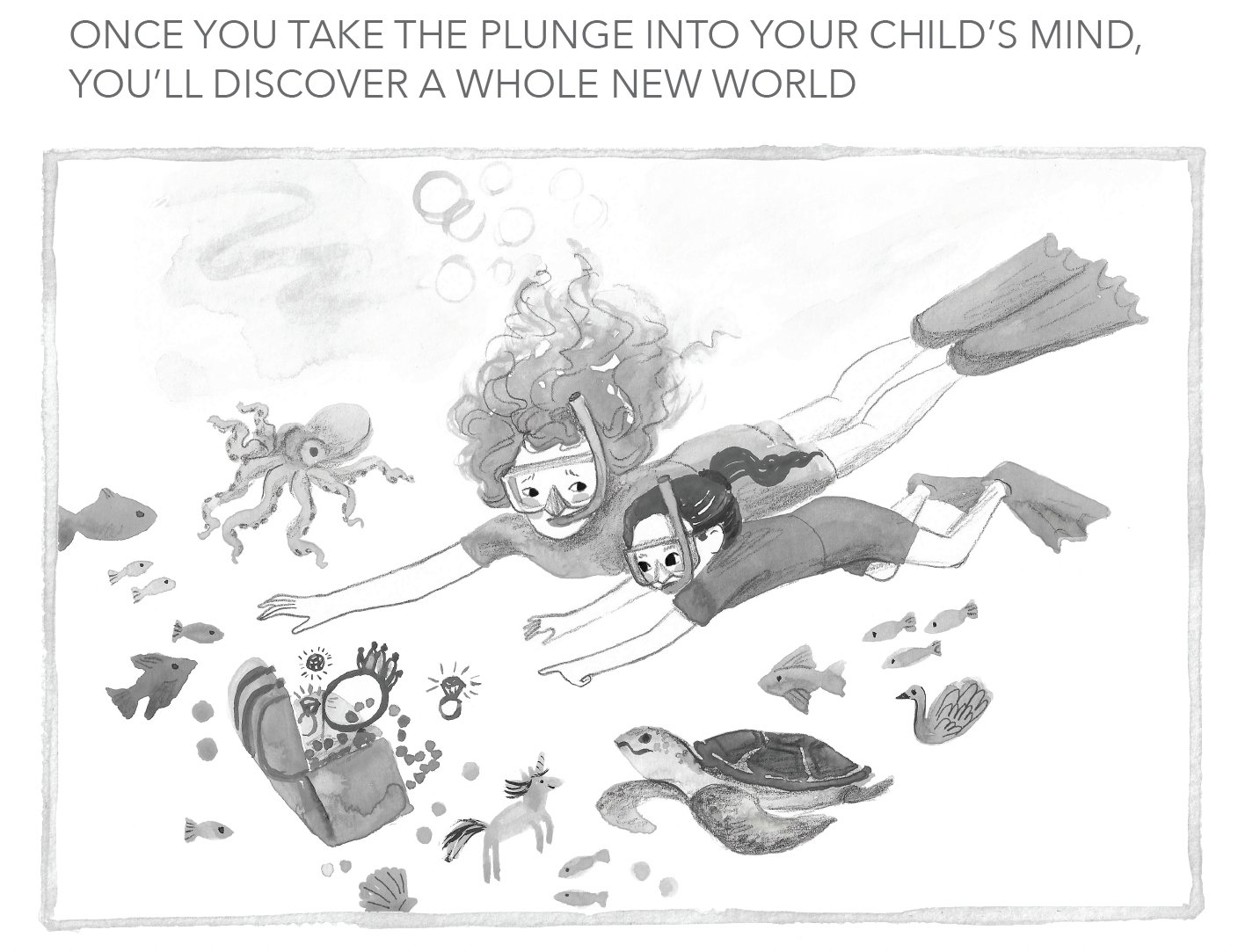 One of the book's line illustrations. Image from tinabryson.com.
Seven strategies, a few minutes each
- Think Out Loud. Say your own feelings and problem-solving out loud while you play, like naming your frustration when the tower falls and how you'll try again.
- Make Yourself a Mirror. Reflect your kid's feelings and actions back so they feel seen.
- Bring Emotions to Life. Let the toys feel things, so kids can practice big emotions at a safe distance.
- Dial Intensity Up or Down. Match a wild game's energy, then slow it, so kids feel what calming down is like.
- Scaffold and Stretch. Give enough help for a kid to do something a little harder.
- Narrate to Integrate. Tell the story of what happened, which links feeling to understanding.
- Set Playtime Parameters. Keep play safe with short "pit stops" instead of shutting it down.
The pit stop is the one parents will use first. When a kid wants to put glitter in the bath or skate down the stairs, you pause, name what they want, and steer: "The stairs aren't for skating, but there must be other places you can skate downhill. Any hills your size when we head to the park later?"
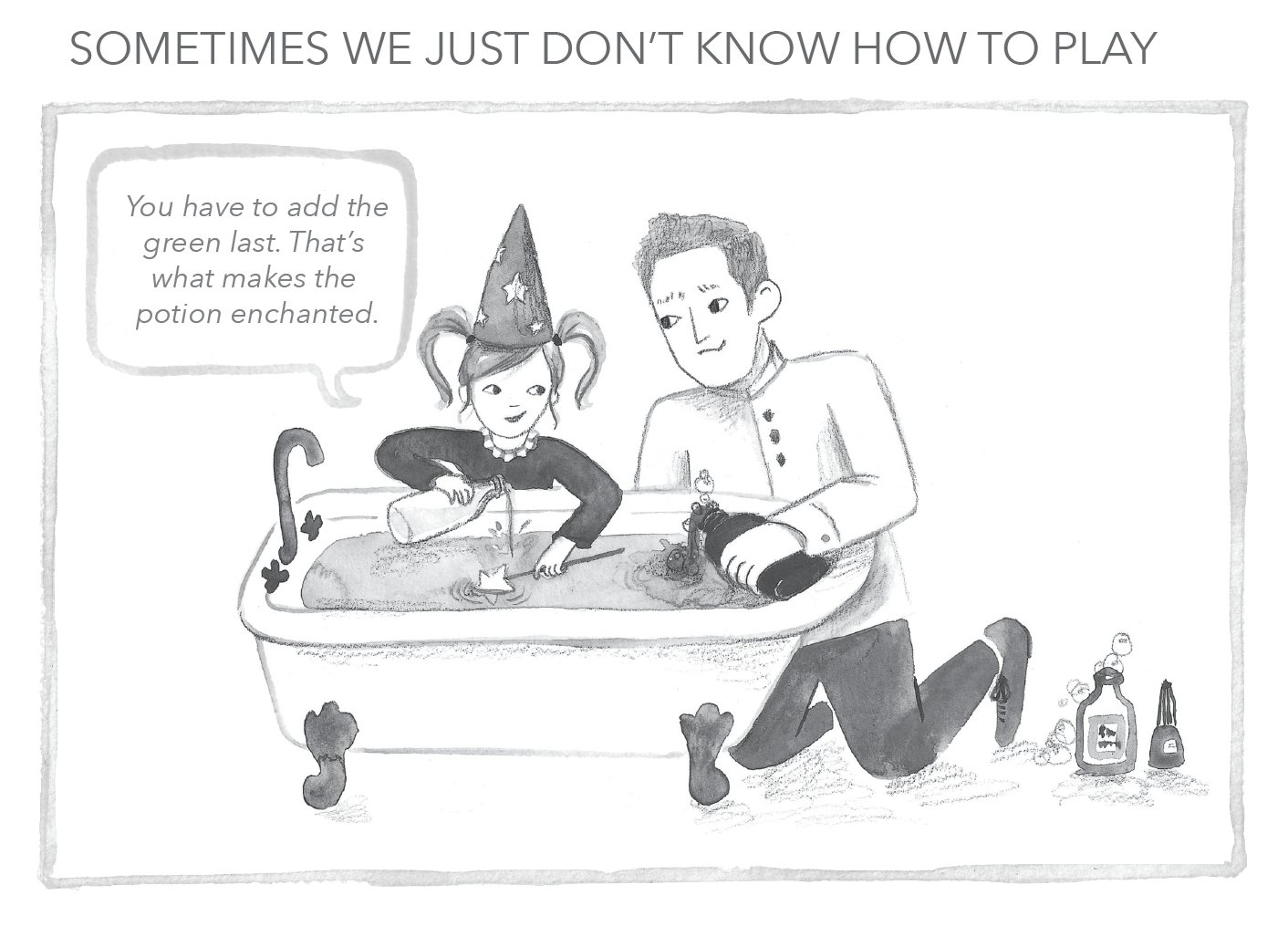 A potion in the bathtub, from the book's illustrations. Image from tinabryson.com.
Grown-ups forget how to play, and that is normal
The book is kind to parents who find pretend play dull. The authors explain that adult brains moved on from tea parties for good reasons, and that the same planning skills that make play boring can be turned toward doing it well. They also cover the practical stuff: when play will end, who cleans up, and how to set up a play space that works for a parent too. Endorsements came from Daniel Siegel, Aliza Pressman, Lawrence Cohen of Playful Parenting, and Jessica Lahey, author of The Gift of Failure.
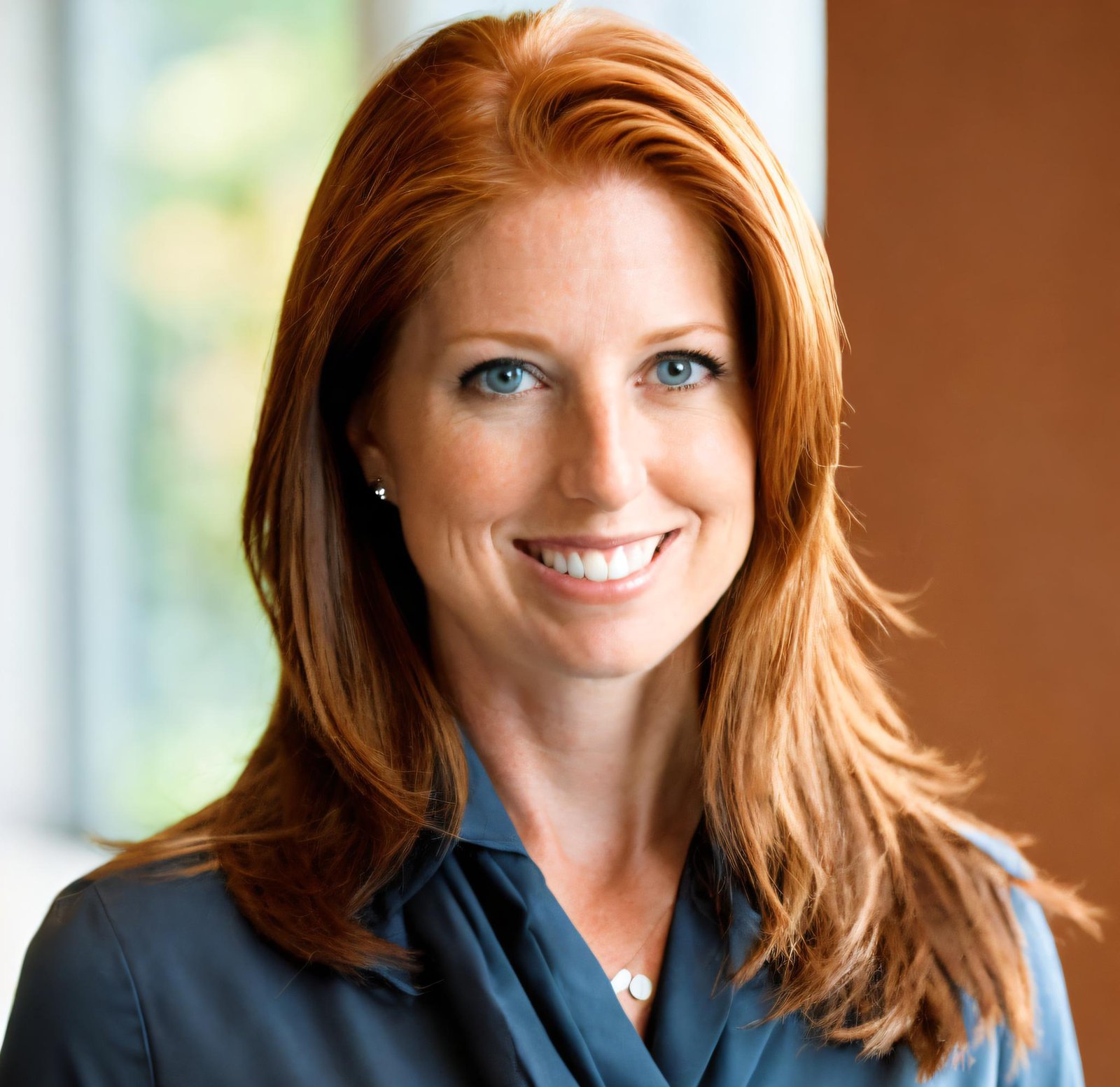 Coauthor Georgie Wisen-Vincent, play therapist and PlayStrong developer. Photo from tinabryson.com.
Watch the authors
Bryson and Wisen-Vincent on the book for the Family Action Network:
An hour with both authors on The Parent Venture:
Read it with
Bryson's first big book, The Whole-Brain Child, explains the brain science these strategies rest on. For the case for unsupervised play with other kids, the other half of a playful childhood, see Peter Gray's Free to Learn.


