Fewer than 4 percent of teens get to explore at school
The number that frames the book comes from a survey the authors ran with Brookings and the nonprofit Transcend: more than 65,000 students in grades 3 to 12 and almost 2,000 parents. Only 7 percent of students described school experiences that support what the authors call Explorer mode, where kids follow their own questions and have a say in how they learn. In middle and high school, it was under 4 percent. Parents tended to overestimate how much their kids enjoyed and learned at school, and the gap grew as kids got older.
The four modes, and why the Achiever worries them most
Anderson and Winthrop sort engagement into four modes. Kids move between them by class, by year and by mood, and the authors warn against pinning one label on a child.
- Resister. Struggles quietly with feeling inadequate or invisible, and shows it by skipping homework, playing sick, cutting class or acting out.
- Passenger. Coasts, does the minimum and calls school pointless, often because classes do not connect to their skills or interests.
- Achiever. Shows up, does the work and gets the grades, with self-worth tied to performance. Their disengagement is invisible, and the fear of failure behind it puts them at risk for anxiety and burnout.
- Explorer. Driven by curiosity, chases the questions they care about and keeps going when it gets hard.
The Achiever chapter is the one many parents of good students do not expect to need. A kid with straight A's can be as checked out as a kid who skips class.
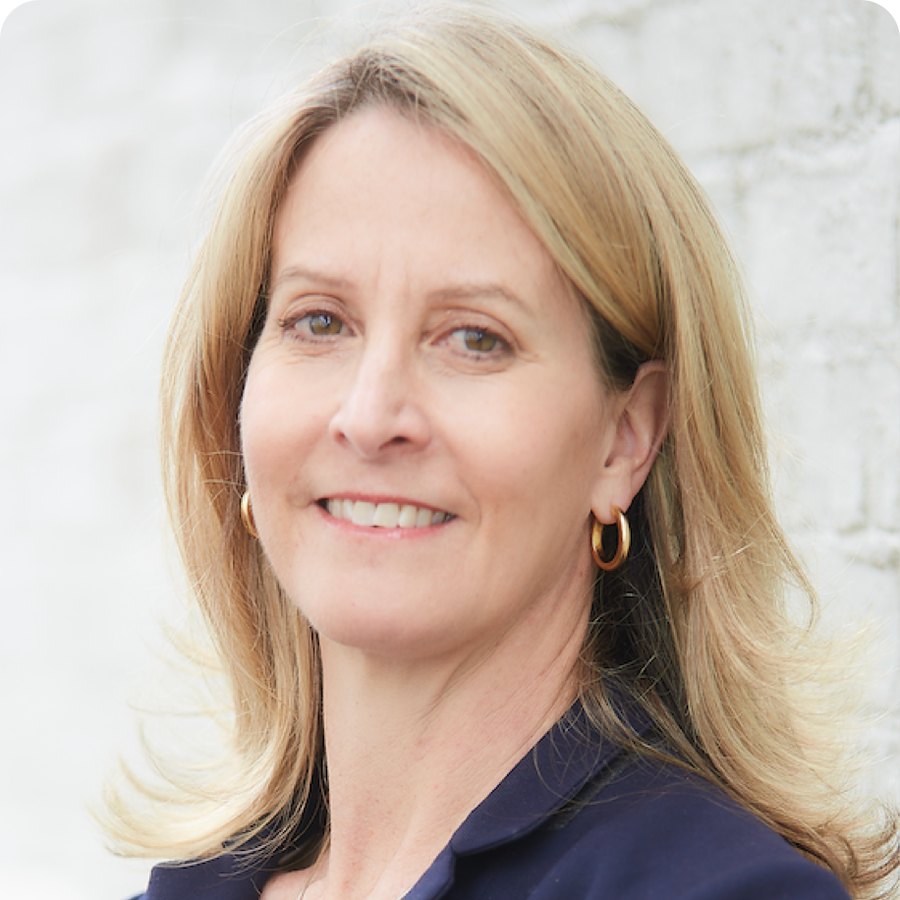 Jenny Anderson, an education journalist who spent more than a decade at The New York Times. Photo from thedisengagedteen.com.
 Rebecca Winthrop, director of the Center for Universal Education at the Brookings Institution. Photo from thedisengagedteen.com.
What parents can change at home
The second half is a toolkit, and its message is that parents have more influence than they think, though not through homework help. The authors' advice: "talk to them about what they learn at school and what is happening in their lives, cheer them on in their academic pursuits, and help them get through hard times. This, much more than direct homework help, helps teens grow."
In practice that means stepping back from monitoring grades so the work belongs to the kid, asking teens to teach you what they are learning, not running down their school in front of them, and helping them build the planning and self-awareness skills that let them take over. As the authors put it, resilient learners are not strong; they are flexible.
Where it asks more than a parent can give
A lot of what drives disengagement is how schools are designed, and parents do not control that. The book addresses teachers as much as families, and one reviewer for educators called it a blueprint for schools. Another noted it can be hard for parents to read, because it shows how easily a bright kid slides into Passenger or Achiever mode. Read the toolkit chapters as the parent's part, and pass the school chapters to a teacher or counselor you trust.
Watch them explain it
Anderson and Winthrop on CBS Mornings:
The full book launch at the Brookings Institution:
Read it with
Lisa Damour, who blurbed the book, covers the emotional side of the same years in The Emotional Lives of Teenagers. Jessica Lahey, another early reader, makes the case for letting kids own their work and their mistakes in The Gift of Failure.


