A reading-level cheat sheet for parents
The right book matters more than the right number.
The school sends home a Lexile® measure; you’re left standing in the library with no idea what to grab. A Lexile measure tells you how hard a book is to read — not whether it’s any good, whether your kid will love it, or whether it’s right for their age. Here’s what the number means, and the books worth handing them at every stage.
A Lexile measure is a number, like 650L, that scores two things on one scale: how hard a text is to read, and how strong a reader your kid is. Match the two and a book should be readable without being a slog. Schools lean on it because it’s tidy — your kid “is a 740L,” a book “is a 680L,” so the book is “at their level.” It’s a real, useful tool for ruling out books that are way too hard or way too easy.
It also leaves out almost everything that makes a kid want to read. The number measures sentence length and word frequency. It doesn’t know whether the book is good, whether your kid will love it, or whether the content fits their age. Steinbeck scores low enough for elementary school by the number, with themes that are firmly high-school. A breezy series a kid devours can score higher than it feels. The Lexile is a floor and a rough ceiling. It is not the thing that should pick the book.
What picks the book is interest. A kid lost in a “too easy” graphic novel is reading; a kid handed a perfectly leveled book they find boring is not. Reading level is built by volume, and volume comes from books a kid actually wants to finish. Find the thing they can’t put down and the level climbs on its own.
So use the number the way you’d use a shoe size — to get in the right aisle, not to choose the shoe. Below, the eight reader stages and the books worth reading at each one, then five ways to keep a reading level from turning reading into a chore.
The ladder
Find your reader’s level. Grab the books.
Eight stages, each pinned to its published Lexile band. Every book is WISE-rated, with our one-line take right on the card — tap any cover for the full verdict, the age fit, and what to watch for.
Sounding out the first words.
Big pictures, tiny sentences, words that repeat until they stick. The win is finishing one little book alone and feeling like a reader. Read everything else to them.

Book · Bobby Lynn Maslen
Bob Books
The phonics drill sergeant that's launched a million readers—effective as hell, but don't expect a page-turner.
 Ages 4–7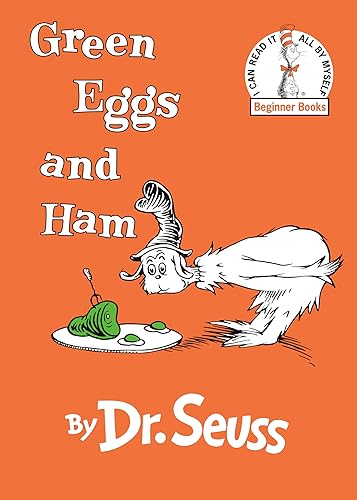
Book · Dr. Seuss
Green Eggs and Ham
The book that launched a thousand readers: 50 words, endless rhymes, and one very persistent Sam-I-Am.
 Ages 2–8
Book · Bill Martin Jr.
Brown Bear, Brown Bear, What Do You See?
The toddler literacy classic that's been teaching colors and animals through hypnotic repetition since 1967—now in 'big kid' reader format.
 Ages 1–6
Book · James Dean
Pete the Cat: I Love My White Shoes
A groovy blue cat teaches toddlers that messy shoes (and life) are no big deal—just keep singing and walking.
 Ages 2–7
Book · Mo Willems
Elephant and Piggie
The complete 25-book friendship masterclass that turns anxious elephants and carefree pigs into confident readers.
 Ages 3–8
Find the perfect book for your kid
Personalized picks
A whole book, start to finish, on their own.
Short chapters, lots of white space, a friend to root for — where a kid first reads for the story instead of the practice, and the right series turns reading into a habit.
Book · Arnold Lobel
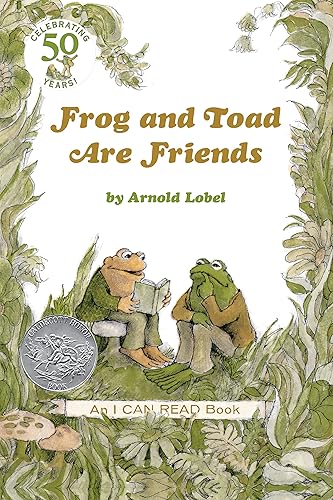
Frog and Toad Are Friends
Two amphibian best friends navigate buttons, bathing suits, and bedtime stories in this gentle, genuinely funny classic that's aged like fine wine.
 Ages 4–8
Book · Cynthia Rylant
Henry and Mudge
A lonely boy gets a massive dog and they become best friends—it's exactly what it sounds like, in the best and most predictable way.
 Ages 5–8
Book · Dr. Seuss
The Cat in the Hat
The chaotic trickster who taught millions of kids to read—still weird, still fun, still sparking parental debates about rule-breaking.
 Ages 4–8
Book · Kate DiCamillo
Mercy Watson
A pig who thinks she's people gets into gentle, toast-fueled hijinks in this beloved early chapter series from Newbery winner Kate DiCamillo.
Ages 4–9
Book · Tedd Arnold
Fly Guy
A boy befriends a fly and proves that the best pets come in the smallest, weirdest packages.
Ages 4–8Find the perfect book for your kid
Personalized picks
Hooked on a series, reading under the covers.
Fluency clicks when a kid blows through book after book in a world they love. Don’t fight the "easy" series — the volume is the point. Twenty of these build a reader faster than one assigned classic.

Book · Mary Pope Osborne
Magic Tree House
The gateway drug to chapter books—time-traveling siblings make history actually interesting for the 6-year-old set.
Ages 5–10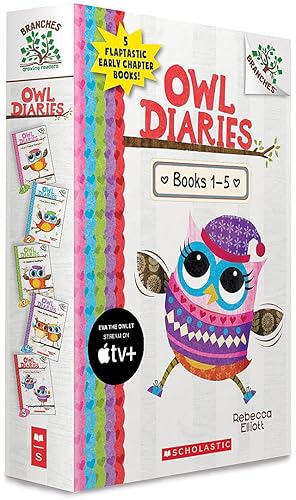
Book · Rebecca Elliott
Owl Diaries
Owl-dorable diary series that turns first-graders into confident readers, one treetop adventure at a time.
 Ages 5–8
Book · Aaron Blabey
The Bad Guys
Gross-out graphic novels about reformed villains that reluctant readers devour—if you can stomach the burp jokes.
 Ages 6–9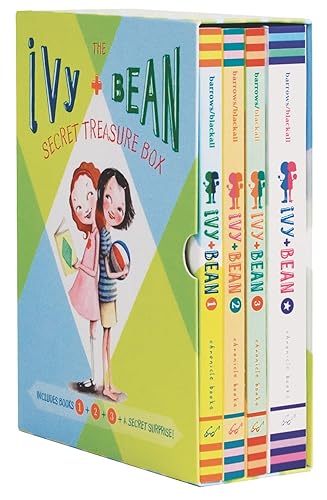
Book · Annie Barrows
Ivy Bean
Spunky second-graders get into magical mischief—funny and accessible, but celebrates naughtiness over niceness.
 Ages 6–10
Book · Dav Pilkey
Captain Underpants
Two fourth-graders create a superhero comic that comes to life - potty humor, pranks, and pure chaos ensue.
 Ages 6–11
Find the perfect book for your kid
Personalized picks
Reading for the story, not the practice.
Real plots, real stakes, the first books that can make a kid cry at the right page. These are the ones they remember for life.

Book · E. B. White
Charlotte's Web
The spider-saves-pig story that's made generations of kids ugly-cry in the best way possible.
Ages 5–14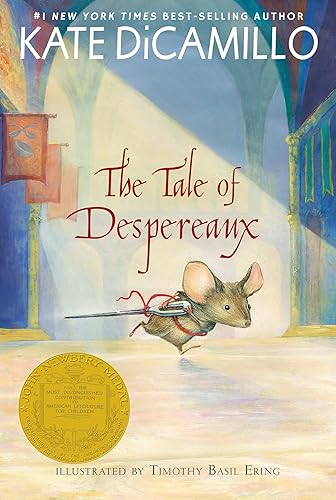
Book · Kate DiCamillo
The Tale of Despereaux
A Newbery-winning fairy tale about a brave mouse, a light-starved rat, and a serving girl—darker and smarter than your average kids' book.
Ages 7–12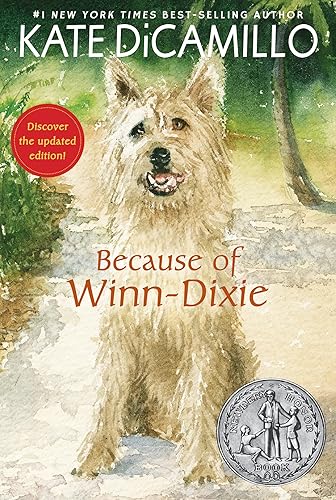
Book · Kate DiCamillo
Because of Winn-Dixie
A scruffy dog helps a lonely girl crack open her preacher dad's heart and befriend the town's misfits in this Newbery Honor tearjerker.
Ages 7–13
Book · Roald Dahl
Fantastic Mr. Fox
A masterclass in being a 'fantastic' dad while technically being a career criminal for chickens.
Ages 5–12
Book · Katherine Applegate
The One and Only Ivan
A captive gorilla finds his voice through art and friendship in this Newbery winner that'll make you cry and think.
Ages 7–14Find the perfect book for your kid
Personalized picks
Big worlds, big feelings, books they argue about.
The golden age of reading for most kids: fantasy epics and gut-punch realism, the first 400-pager they finish in a weekend. Hand them a series here and you may not see them for a month.
Book · J.K. Rowling
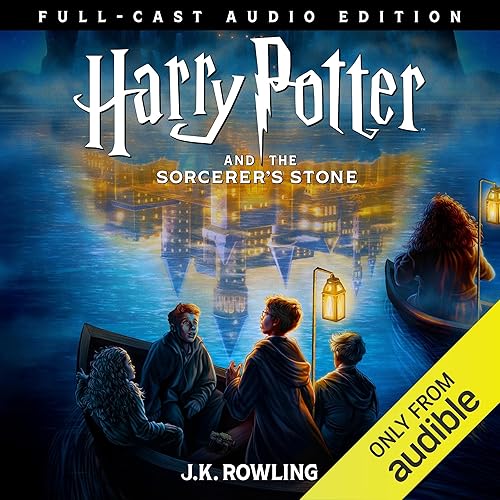
Harry Potter and the Sorcerer's Stone
The book that made a generation of kids actually want to read—magic, friendship, and a hero who lives in a cupboard under the stairs.
 Ages 7–14
Book · Jesse Bernstein
The Lightning Thief
Greek gods meet modern America in this wildly entertaining quest that finally made mythology cool for kids who thought reading was boring.
Ages 8+Book · R. J. Palacio
Wonder
A fifth-grader with severe facial differences enters middle school, trading homeschool safety for the brutal social politics of the cafeteria.
Ages 8+
Book · Louis Sachar
Holes
A curse, a dried-up lake, and a lot of holes—this Newbery winner is a masterclass in storytelling that still hits hard 25 years later.
Ages 9+
Book · Katherine Paterson
Bridge to Terabithia
Two kids build a magical kingdom in the woods, then life delivers a gut-punch that teaches what friendship really means.
Ages 9–14Find the perfect book for your kid
Personalized picks
Ready for longer, harder, and a little darker.
Survival stories and real history that don’t hand them an easy ending. The vocabulary stretches and the themes get heavier — where reading starts doing the quiet work of building empathy.

Book · Rob Inglis
The Hobbit
The OG fantasy adventure that invented hobbits, started it all, and remains genuinely great—if your kid can handle 1930s pacing.
Ages 6+
Book · Gary Paulsen
Hatchet
Thirteen-year-old survives plane crash and 54 days alone in Canadian wilderness armed with only a hatchet and growing determination.
Ages 10–16
Book · Mildred D. Taylor
Roll of Thunder, Hear My Cry
Powerful Newbery winner about a Black family's dignity during Depression-era Mississippi—essential reading, but emotionally heavy.
 Ages 9–16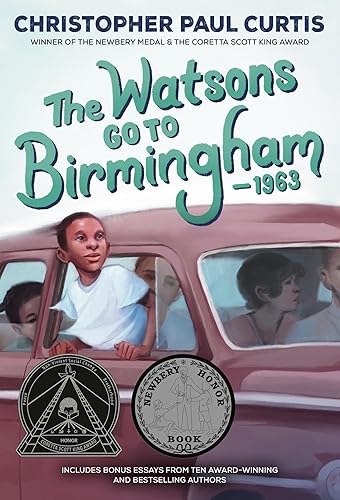
Book · Christopher Paul Curtis
The Watsons Go to Birmingham – 1963
A hilarious, heartbreaking family road trip straight into one of America's darkest moments—the 1963 Birmingham church bombing.
Ages 9–14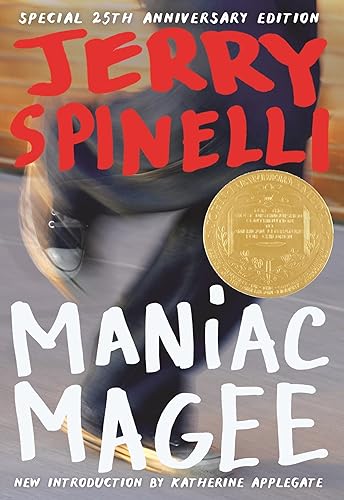
Book · Jerry Spinelli
Maniac Magee (Newbery Medal Winner)
A legendary orphan runs through a racially divided town, untying impossible knots and proving that 'home' isn't a place on a map.
Ages 9+Find the perfect book for your kid
Personalized picks
Where the number stops keeping up.
Watch the WISE scores dip here. The Lexile is high and the content is mature — exactly why a reading level can’t tell you whether a book fits your kid. Pair every assigned classic with one they chose.

Book · George Orwell
Animal Farm George Orwell
Orwell's razor-sharp allegory about power corrupting absolutely—brilliant, brutal, and definitely not a cozy barnyard story.
 Ages 12+
Book · Ray Bradbury
Fahrenheit 451
Bradbury's classic dystopia about burning books hits different in 2025—screens everywhere, attention spans shot, and book bans back in style.
Ages 13+
Book · Harper Lee
To Kill a Mockingbird
Harper Lee's Pulitzer-winning masterpiece: moral courage meets Southern racism through a child's eyes—powerful, heavy, essential.
Ages 12+
Book · S. E. Hinton
The Outsiders
The book that invented YA lit—gritty, heartbreaking, and packed with switchblades, class warfare, and the kind of loyalty that gets people killed.
 Ages 11–16
Book · William Golding
Lord of the Flies
Golding's brutal classic about boys descending into savagery—literary gold, but emotionally punishing.
 Ages 13+
Find the perfect book for your kid
Personalized picks
Reading like an adult.
Not a syllabus of dead authors — the gripping nonfiction, sci-fi, and memoir that grown-ups actually can’t put down. College-level reading they’ll choose on their own, because the story is too good to stop.

Book · Jon Krakauer
Into the Wild
The ultimate 'don't try this at home' story that will make your teen actually want to talk about philosophy for once.
Ages 14+
Book · Jon Krakauer
Into Thin Air
Nature's ultimate reality check: a gripping, brutal account of what happens when ambition meets a storm at 29,000 feet.
Ages 13+
Book · Trevor Noah
Born a Crime
Trevor Noah's memoir about growing up mixed-race under apartheid—hilarious, heartbreaking, and one hell of an education.
Ages 12+
Book · Rebecca Skloot
The Immortal Life of Henrietta Lacks
The true story of how a Black woman's 'immortal' cells revolutionized medicine—while her family couldn't afford health insurance.
Ages 14+
Book · Andy Weir
Project Hail Mary
Andy Weir's amnesiac astronaut must science the hell out of saving Earth—with help from the universe's most lovable alien sidekick.
Ages 11+Find the perfect book for your kid
Personalized picks
The one trap to avoid
A level tells you the words are easy. It says nothing about the story.
This is the blind spot in every leveling system. The number scores difficulty, not maturity. Steinbeck reads “easy” by the Lexile while the content belongs in high school; plenty of intense young-adult books sit squarely in the middle-grade range. A strong young reader can decode a book they’re years away from being ready for.
So never let the number stand in for the age-fit judgment — that one’s yours. When a “leveled” book gives you pause, read the first chapter yourself, or look at what it’s about. That’s exactly the call our WISE scores are built to help with — difficulty is one thing, whether it’s good for your kid is another.
How to use a reading level
Five rules that beat the number.
Less about hitting a target, more about raising a kid who reaches for a book on their own. Start with whichever one fits tonight.
Interest first
A book they love beats a book at their level.
A kid obsessed with a "too easy" graphic novel is reading; a kid handed a perfectly leveled book they find boring is not. Find the thing they can’t put down and the level climbs on its own.
The number
Treat the Lexile as a band, not a target.
It measures how hard the words are — not whether the book is good, fun, or right for their age. Use it to make sure a book isn’t a slog or a wall, then ignore it and look at the actual book.
Quick gut check
The five-finger rule beats any number.
Open to a page and have them read it. Put up a finger for each word they stumble on. Zero or one, too easy; two to three, just right; five or more, save it for reading aloud together.
Read up
Read above their level out loud.
Kids understand stories years beyond what they can decode alone. Reading a harder book to them is where the big vocabulary and the love of story actually grow — keep doing it long after they can read solo.
Protect the joy
Re-reads, comics, and audiobooks all count.
The fastest way to make a kid hate reading is to turn it into a worksheet. Let them re-read favorites, plow through comics, and listen to audiobooks. The goal is a reader, not a score.
Personalized for your reader
Find the perfect book for your kid.
Tell us where they’re at with reading and what they’re into — and we’ll name the specific books to put in their hands next, matched to their level and their taste. Know their Lexile from school? Even better. Don’t? Skip it — we’ll calibrate from the rest.
FAQ
The questions every parent asks.
Straight answers about levels, numbers, and what to do with them.
Real questions from real parents
Make it personal.
Take the five-minute Screenwise family survey and every guide, recommendation, and page on the site gets tuned to your kid’s age, what they love, and where your family stands.
Take the Family SurveyLEXILE® is a trademark of MetaMetrics, Inc., registered in the United States and abroad. Screenwise is not affiliated with MetaMetrics. Book levels on this page are published by their publishers or estimated by us, and are marked as such.