A tantrum is a brain that has gone offline
Siegel and Bryson start with a picture parents can hold in their heads. The downstairs brain, the brainstem and the emotional centers, works from birth and fires fast: fight, flee, cry. The upstairs brain, which plans, weighs consequences and feels for other people, is under construction until a person's mid-twenties. When a 4-year-old loses it in a store, the upstairs brain has been flooded and the downstairs brain is driving. Reasoning with them in that moment fails because the part of them that can reason is unavailable.
Their second idea is about the two sides of the brain. The right side runs on feelings and images; the left side runs on words and order. A child stuck in a scary feeling needs both, which is why telling the story of what happened, start to finish, calms them. That is the strategy called Name It to Tame It.
The 12 strategies are moves you can make in the next minute
- Connect and Redirect: meet the feeling first, with a calm voice and a hand on the shoulder, then deal with the behavior.
- Name It to Tame It: help a child tell the story of a fall, a fight or a nightmare until it loses its charge.
- Engage, Don't Enrage: ask a question that wakes up the thinking brain instead of issuing an ultimatum that triggers the fighting one.
- Move It or Lose It: get a stuck or furious kid moving, with jumping jacks, a walk or a pillow fight.
- Connect Through Conflict: treat sibling fights as practice in seeing someone else's side.
The rest cover memory, mindfulness and family fun, and each chapter ends with a short comic strip written for kids, so you can teach a 6-year-old what their upstairs brain is.
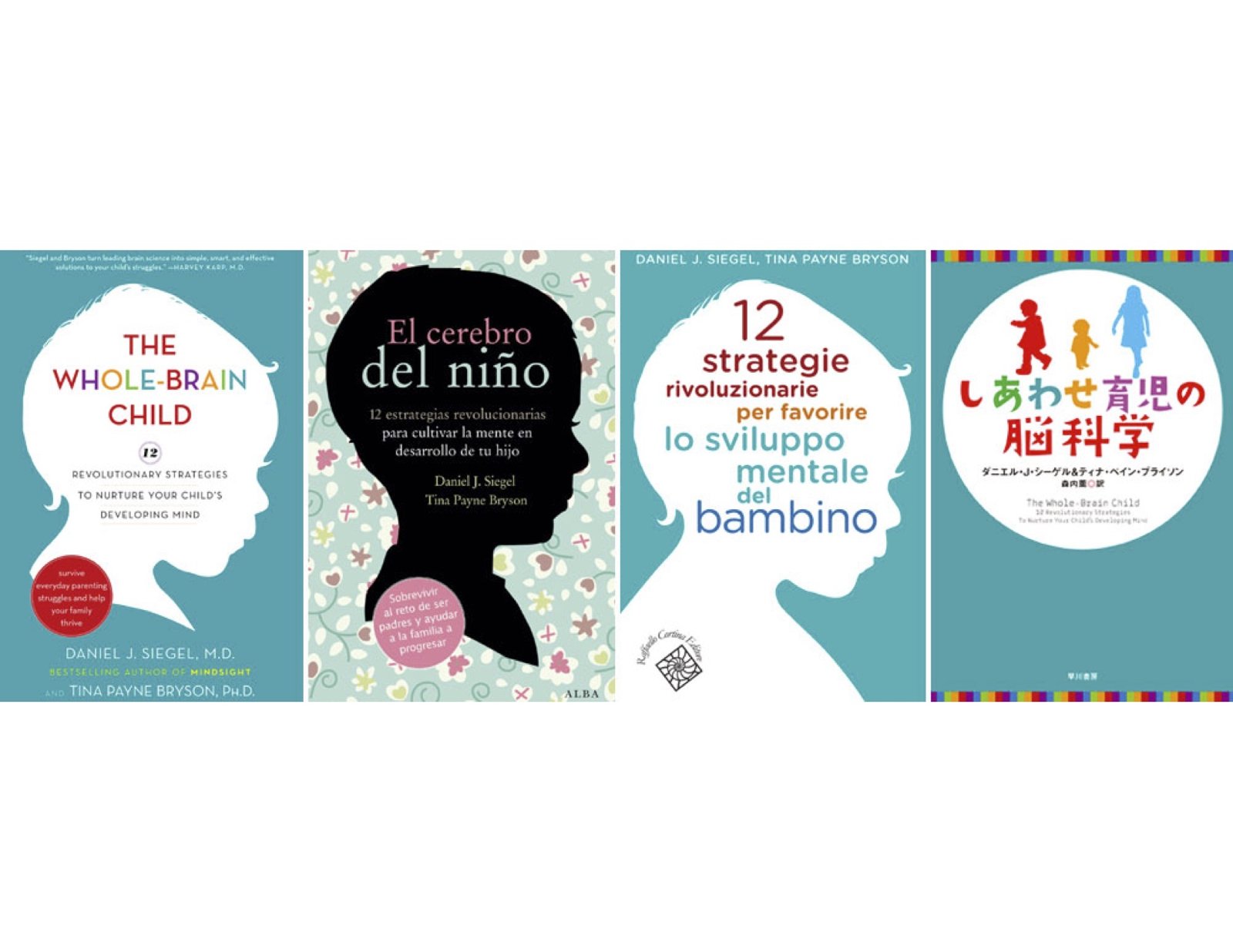 The Whole-Brain Child in translation. Image from tinabryson.com.
The science is simplified, and that is the trade
The book has its critics. Left-brain and right-brain language echoes the myth that people are one or the other, which neuroscientists rejected decades ago, and the tidy map of upstairs and downstairs leaves out a lot. Siegel and Bryson use the anatomy as a teaching tool, and the strategies stand on decades of research on emotion coaching and attachment, not on the drawings. Parents who want the evidence can read Siegel's other books. Parents who want something to do during dinner can start here.
The authors
Daniel J. Siegel is a neuropsychiatrist and the author of Mindsight. Tina Payne Bryson is a psychotherapist and the founder of the Center for Connection in Pasadena, California. Together they also wrote No-Drama Discipline and The Yes Brain.
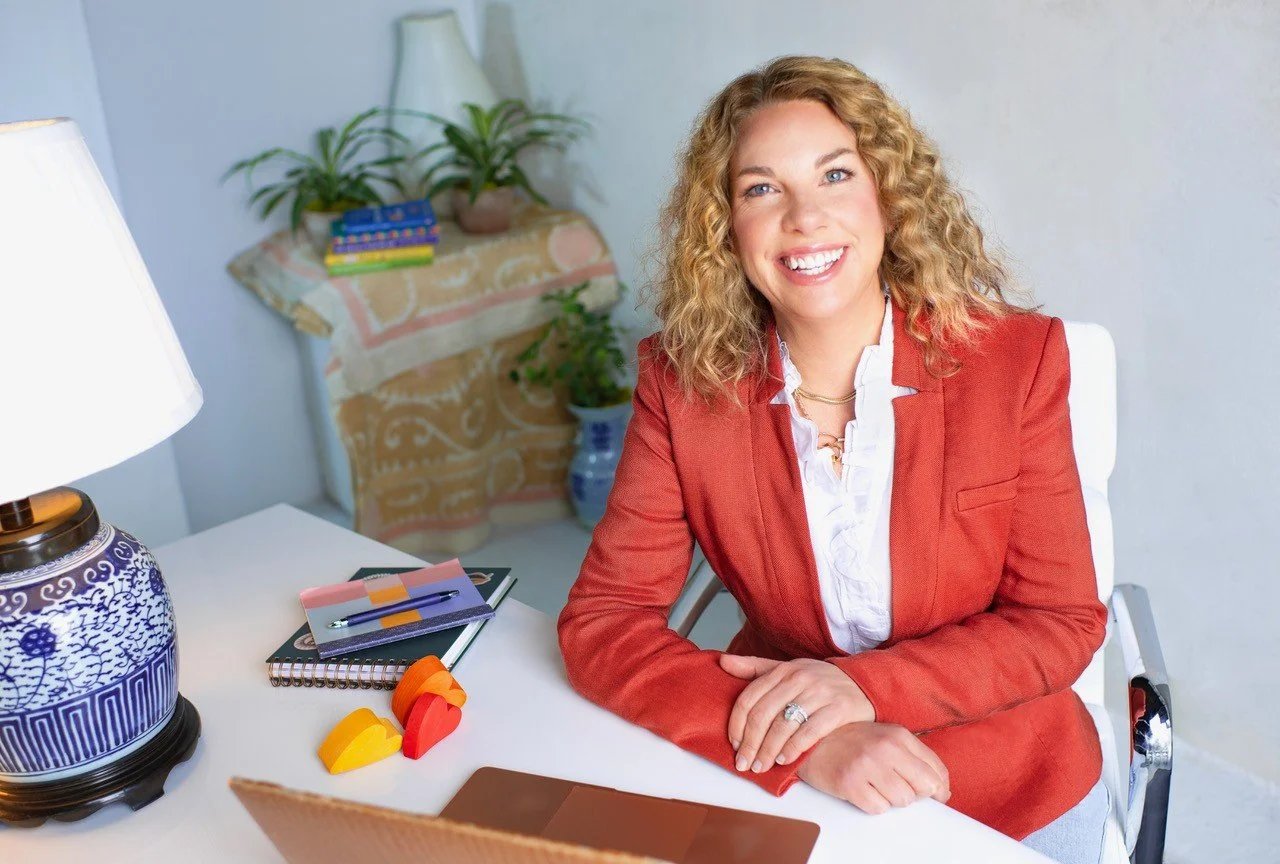 Tina Payne Bryson. Photo from tinabryson.com.
Hear it from them
Siegel and Bryson explain the whole-brain approach in six minutes:
Bryson on the book's core ideas:
Read it with
Bryson's newest book, The Way of Play, turns these ideas into a few minutes of play a day. Good Inside covers the same ground for parents who want scripts. Hunt, Gather, Parent shows how Inuit parents stay calm through a tantrum, a good match for the downstairs-brain chapters.


