The flash-card industry was selling parents something kids do not need
In 2003, when this book first came out, stores were full of baby videos, learn-to-read kits and toys promising a smarter toddler. Kathy Hirsh-Pasek of Temple University and Roberta Michnick Golinkoff of the University of Delaware had spent decades studying how young children learn language, and they wrote this book to tell parents what the research showed: young kids learn through play, curiosity and talk with the people around them, and the products added pressure without adding much learning. The book won the Books for a Better Life Award for best psychology book.
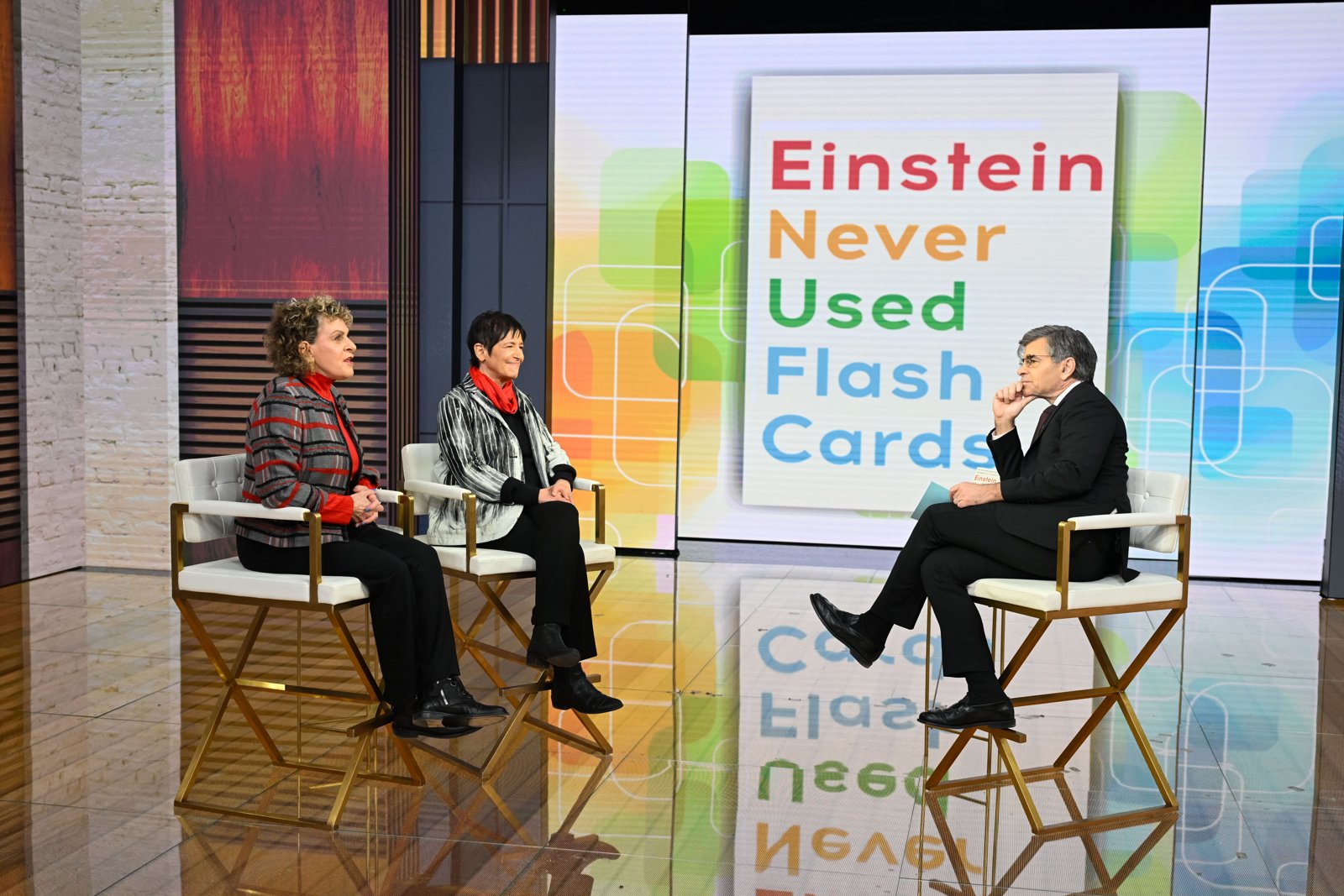 Hirsh-Pasek (center) and Golinkoff (left) on Good Morning America for the revised edition, January 27, 2026. Photo by ABC/Paula Lobo, via Temple University.
Everyday life is the curriculum
The core chapters cover how kids learn numbers, words, reading, science, social skills and a sense of who they are. Each ends with activities. A walk becomes a hunt for shapes. Setting the table is one-to-one counting. Sorting socks is classification. The authors place learning on a spectrum: free play on one end, direct instruction on the other, and guided play in the middle, where an adult sets up something fun with a goal in mind and lets the child lead. Most young kids, they argue, get too much of one end and too little of the middle.
Reflect, Resist, Re-center
When the next product or class comes along, the authors suggest three steps. Reflect on what your child needs and what the claim is. Resist the pull to buy or enroll because everyone else is. Re-center on play and time together. It is the most useful page for a parent who feels behind.
The 2026 edition takes on the iPad
"I'm not sure that parents or the world was in any way prepared for what was going to happen with the seismic change that the iPhone and the iPad made to kids' lives," Hirsh-Pasek told Temple University. The revised edition updates the research and adds a chapter on digital media, its benefits and its costs, and the authors connect play to the skills kids will need as AI changes work: collaboration, communication, critical thinking and creativity.
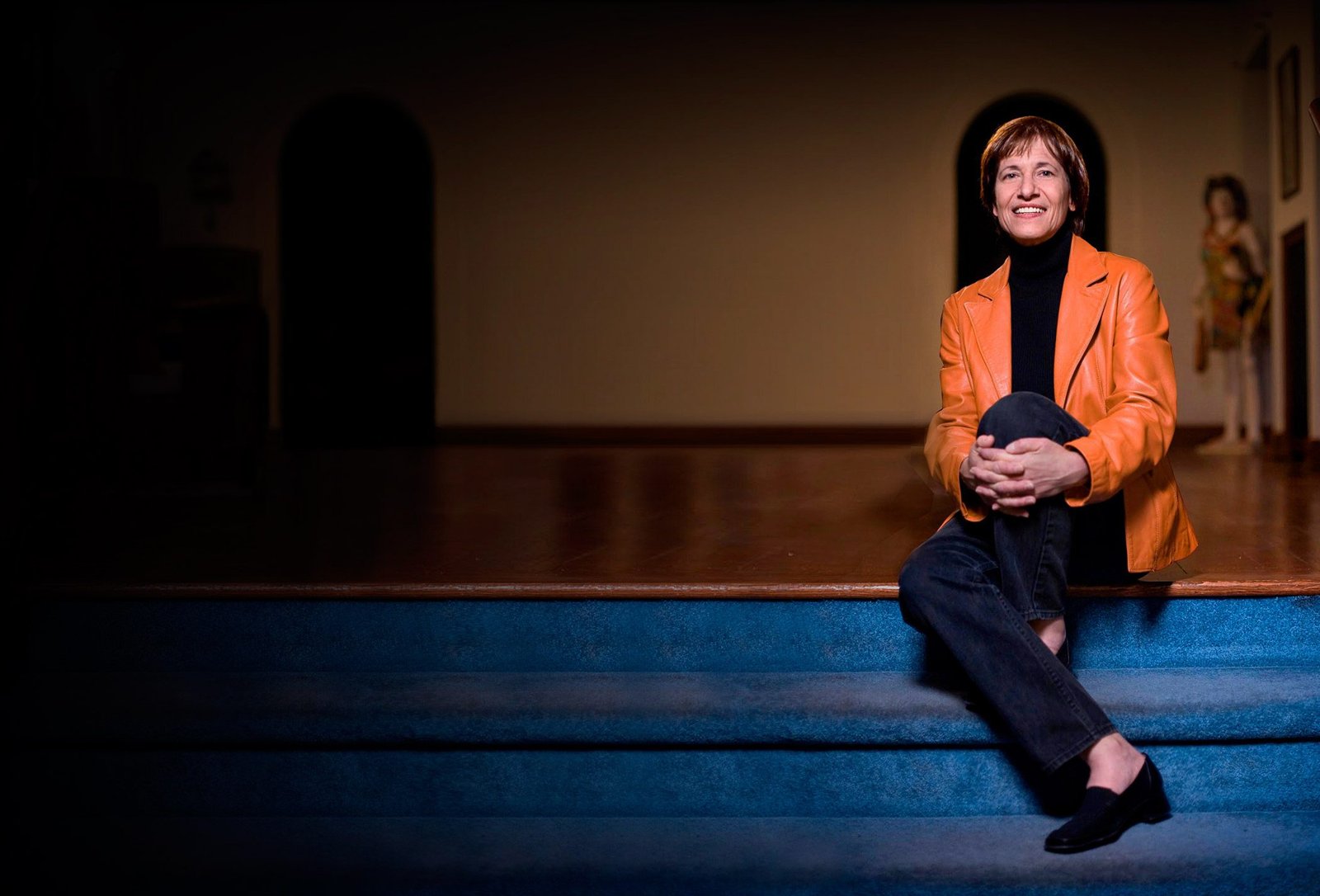 Kathy Hirsh-Pasek. Photo from kathyhirshpasek.com.
Watch them
The authors on Good Morning America for the revised edition:
Hirsh-Pasek's longer talk on the book and learning in and out of school, for the Family Action Network:
Read it with
The same authors' Becoming Brilliant carries the argument into the school years with their 6Cs framework. Dana Suskind's Thirty Million Words covers the talk side of early learning.


