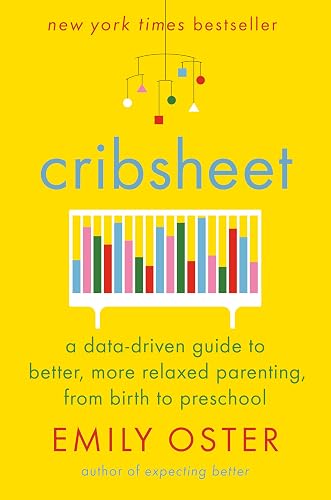
An economist read the baby studies so you can stop googling at 3 a.m.
Emily Oster teaches economics at Brown University. When her first child, Penelope, arrived, she did what she had done during the pregnancy: she went to the research behind each piece of advice and asked how good it was. Cribsheet is the result, a chapter-by-chapter tour of the decisions parents face from the hospital room to preschool. "What I do in the book is actually try to comb through these studies and figure out which of them are giving us the best information," she told NPR in 2019, "so then you can make these choices having the best information, not just the first thing that comes up when you Google it at 3 o'clock in the morning."
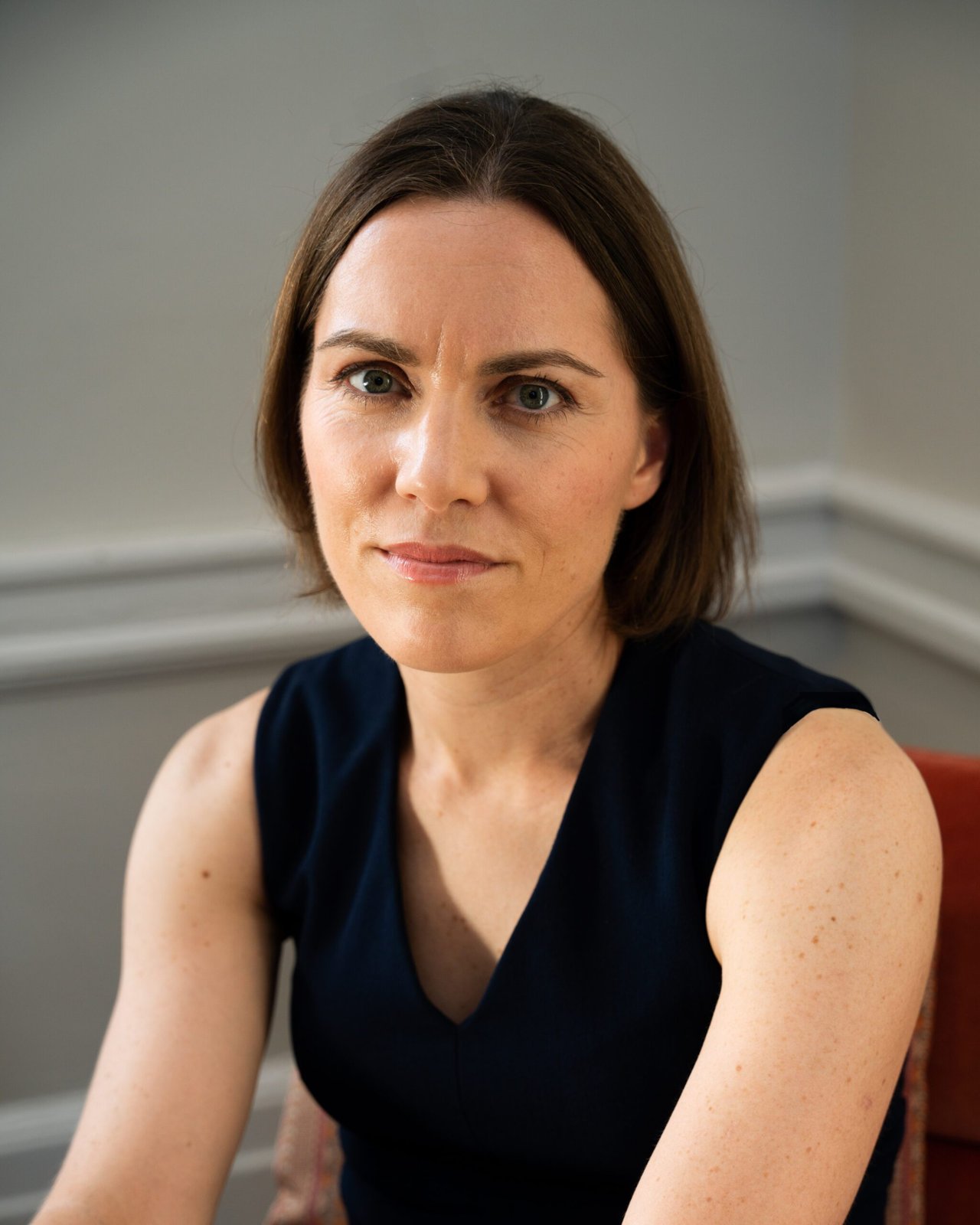 Emily Oster, professor of economics at Brown and founder of ParentData. Photo from parentdata.org.
Each chapter grades the evidence, then hands the choice back to you
The method is the same every time. Oster lays out the studies, explains which ones can tell cause from coincidence, and ends with a short "Bottom Line" box. Then she says plainly that the data is only half the decision. The other half is what works for your family: your sleep, your job, your budget, your other kids.
Some of what she found:
- Breastfeeding helps less than the posters say. The best studies, the ones that compare siblings, find small short-term benefits (fewer digestive infections, for example) and no clear effect on IQ or obesity. Formula is a good option.
- Vaccines are a yes. On this one the data is clear, and she says so.
- Early peanut exposure probably lowers allergy risk. This was one of the clearest results in the book.
- Sleep training does not harm kids. The studies she reviews find no long-term damage from letting a baby cry for a while, and better sleep for parents.
- Potty training before about 27 months mostly adds months, not results. Start at 27 or 28 months and most kids finish near age 3, after about ten months of effort; start at 3 and it usually takes under six months.
- Screens are not useful for learning before about age 3, and after that the data is thin. She also counts the parent's side: an hour of TV that gives a tired parent a break has a value too.
The one chapter pediatricians push back on
Oster's sleep chapter takes the usual line on babies on their backs and on a bare crib. On bed-sharing she is more relaxed than the American Academy of Pediatrics: she finds the safest place for a baby is not the parents' bed, but that for sober, non-smoking parents on a firm mattress with few covers the extra risk is small. The AAP does not recommend bed-sharing at any point, and it also criticized the book for underselling breastfeeding. If you are weighing either question, read her chapter and the AAP's safe-sleep guidance side by side, and talk it through with your pediatrician.
Watch her explain it
Oster on Good Morning America the week Cribsheet came out:
Read it with
Her first book, Expecting Better, applies the same method to pregnancy. For screens in the toddler years, see screen time for toddlers and preschoolers. And when the questions turn from data to tantrums, Good Inside and The Whole-Brain Child pick up where Cribsheet leaves off.