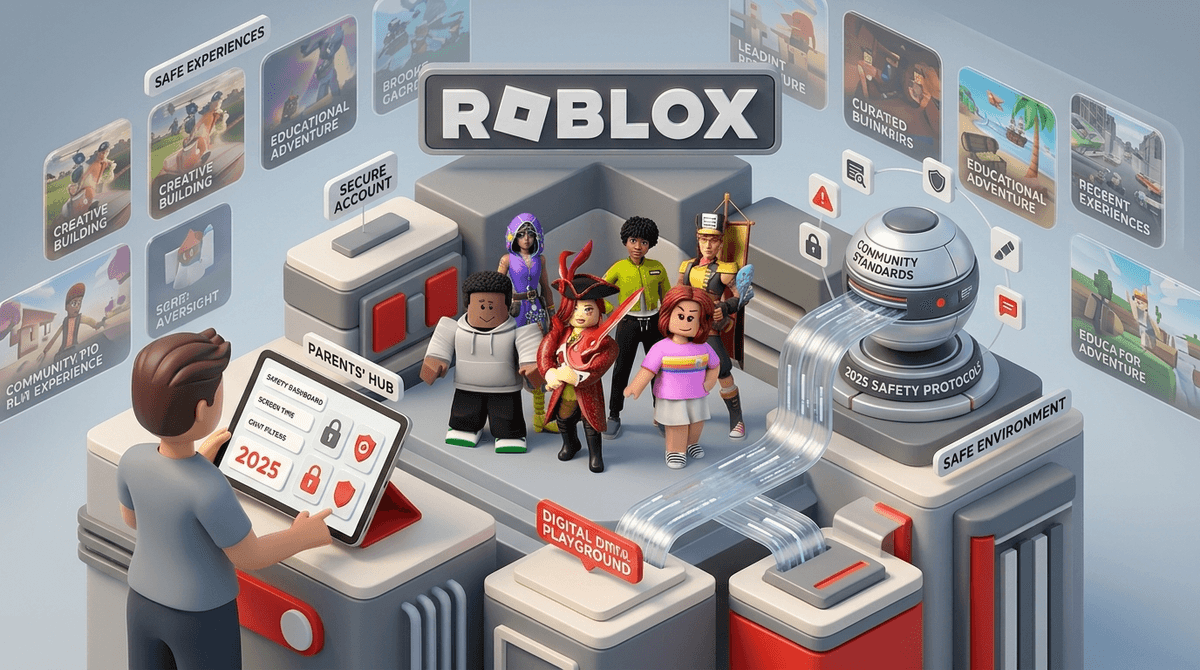
Roblox is a platform, not a game. That's the part most parents miss. | Screenwise

A parent’s playbook

Roblox is a platform, not a game. That's the part most parents miss.

Best approached at ages 7+ with parental controls locked, a Robux budget set in advance, and a push toward creation over consumption.

WISE 38

The bottom line

A massive creative platform with real coding potential, buried under aggressive monetization and a Wild West of user-generated chaos.

Here's the thing: Roblox is a legitimate creative platform with real educational potential.

Kids can learn actual coding, design thinking, and problem-solving.

Some teenagers have built genuinely impressive experiences and even launched careers.

But let's be real about what most kids are actually doing on Roblox: they're playing derivative pet simulators, grinding for virtual currency, begging for Robux, and navigating social dynamics that would make Lord of the Flies look tame.

The platform's business model is predicated on making kids feel left out if they don't spend money, and it works.

The safety concerns are real—user-generated content at this scale is impossible to fully moderate, and kids will encounter inappropriate stuff, scams, and potentially predatory contact.

The compulsive design means you're signing up for screen time battles.

If your kid is genuinely interested in game creation and you're willing to actively guide them toward the building tools, there's value here.

If they're just playing the trending games and asking for Robux every week, you're basically funding a digital slot machine with a chat feature.

Set strict spending limits, use parental controls, know who they're playing with, and maybe—just maybe—challenge them to create something instead of just consuming.

Otherwise, this is an expensive babysitter that teaches your kid that everything costs money and FOMO is a lifestyle.

Wholesome

35/100

While Roblox can host wholesome experiences, the platform's user-generated nature means kids encounter wildly inconsistent content quality. Many games are chaotic, some communities can be unkind, and the social dynamics often mirror the worst of middle school. The platform doesn't model cooperation so much as it models hustle culture—kids are constantly being sold to and encouraged to monetize. The pacing varies wildly from game to game, but trending experiences often lean toward overstimulating, rapid-fire engagement designed to keep kids clicking.

Imaginative

75/100

This is Roblox's genuine strength. The platform genuinely enables creative expression through world-building and basic coding (Lua scripting). Kids can design entire game worlds, experiment with mechanics, and learn foundational programming concepts. The variety of user-created experiences—from obstacle courses to roleplaying games to simulators—shows real imagination at work. However, most kids are consumers rather than creators, and many popular games are derivative or focused on grinding rather than genuine creative play.

Safe

25/100

Despite the data showing 'users_interact: true' but 'online_chat: false' (which appears outdated or incorrect—Roblox absolutely has chat features), this is where Roblox struggles most. The platform has unmoderated user-generated content that kids can stumble into, aggressive monetization targeting children (Robux currency, constant upsells, limited items creating FOMO), predatory social dynamics, and documented cases of inappropriate contact. The 'infinite loop' design—always another game, another purchase, another cosmetic—is intentionally compulsive. While Roblox has improved moderation, the scale makes it impossible to catch everything, and kids regularly encounter scams, inappropriate content, and manipulative monetization. The business model essentially teaches kids to either spend money or feel left out.

Enriching

45/100

There's genuine educational value for kids who engage with the creation tools—learning basic coding, game design principles, and even entrepreneurship (some teen creators make real money). Problem-solving skills develop through building and scripting. However, the vast majority of kids are playing rather than creating, and most popular games are low-enrichment loops: collect pets, grind for currency, buy cosmetics, repeat. The social skills developed are often transactional rather than meaningful. Entertainment value is high for the target demographic, but it's often empty-calorie engagement rather than meaningful growth.


Is Roblox right for your kid specifically?


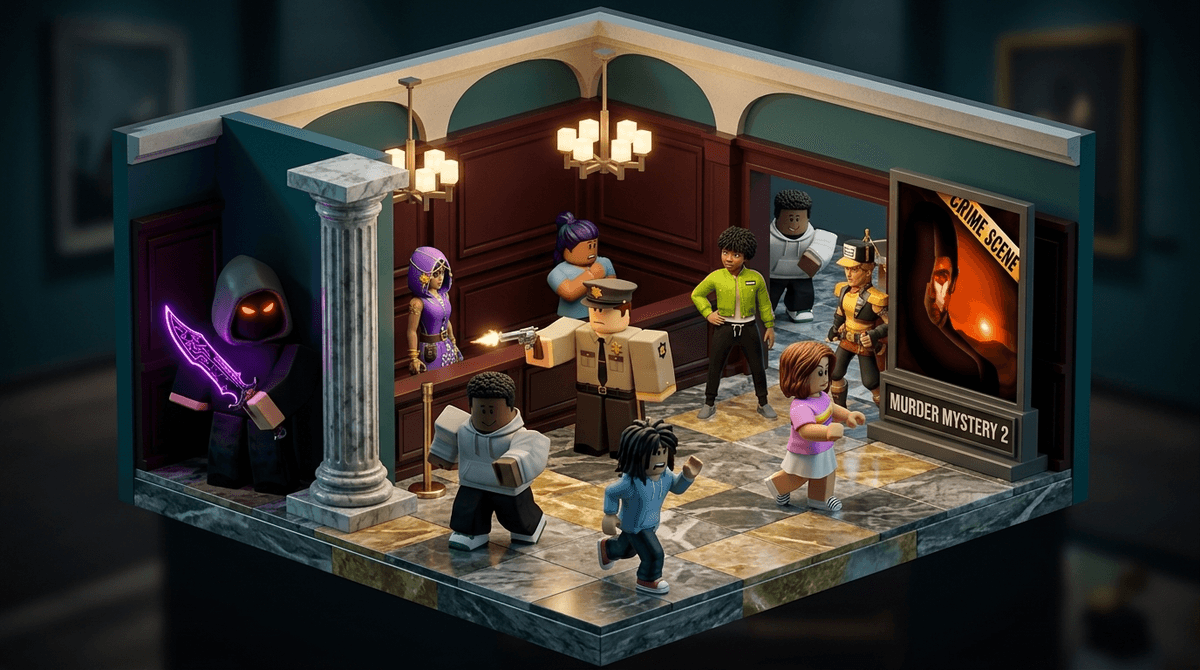
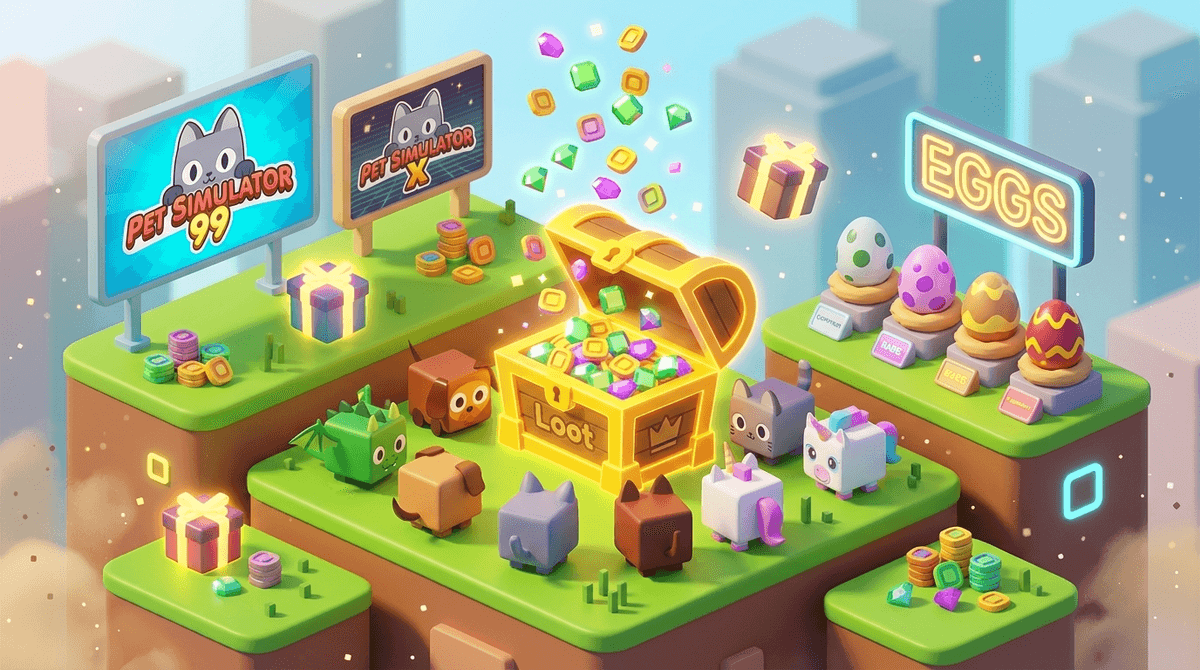
Roblox is not a game. It's a platform that hosts millions of user-generated games — closer to YouTube than to Minecraft, closer to a mall than to a playground. Your kid isn't playing "Roblox" any more than they're watching "the internet." They're playing Pet Simulator 99, or Brookhaven, or some horror obby a 14-year-old in Ohio built last week. That distinction matters enormously, because it's what makes Roblox both genuinely valuable and genuinely hard to parent.

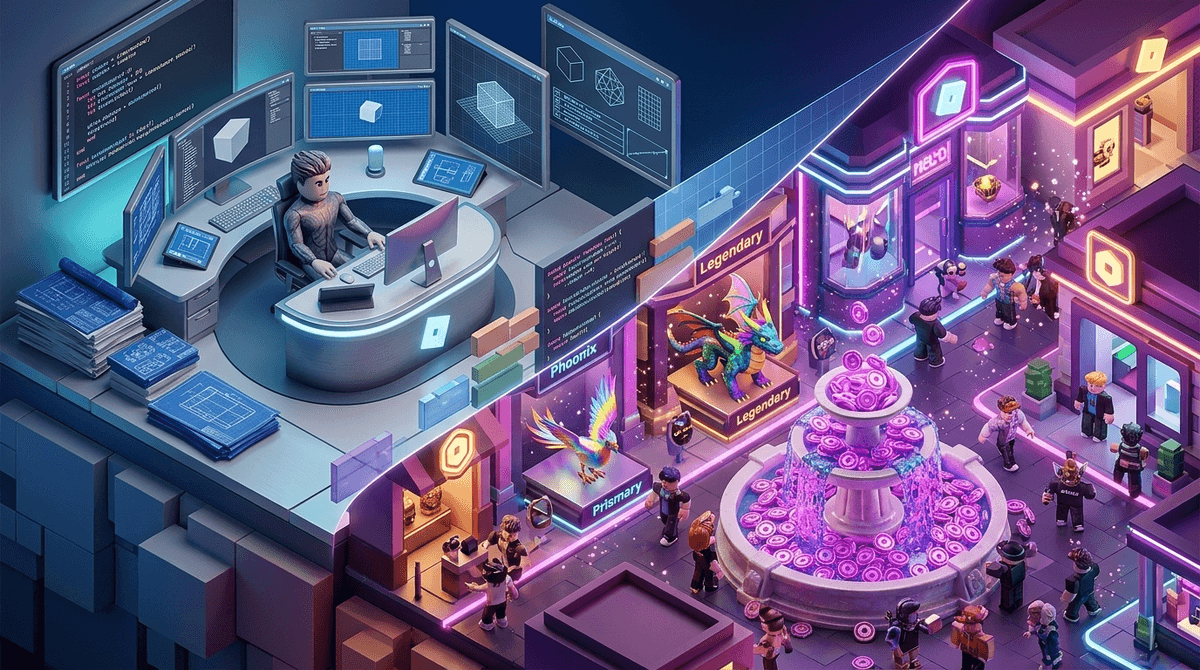
The best version of Roblox is real. Kids who get into Roblox Studio are learning actual Lua scripting, actual game design logic, and actual problem-solving under constraints. Some teenagers have built experiences with millions of plays and made real money doing it. That's not marketing copy — it's documented, and it's the platform's strongest argument for itself. The Imagination score lands at 75 for a reason — that creative ceiling is genuine.

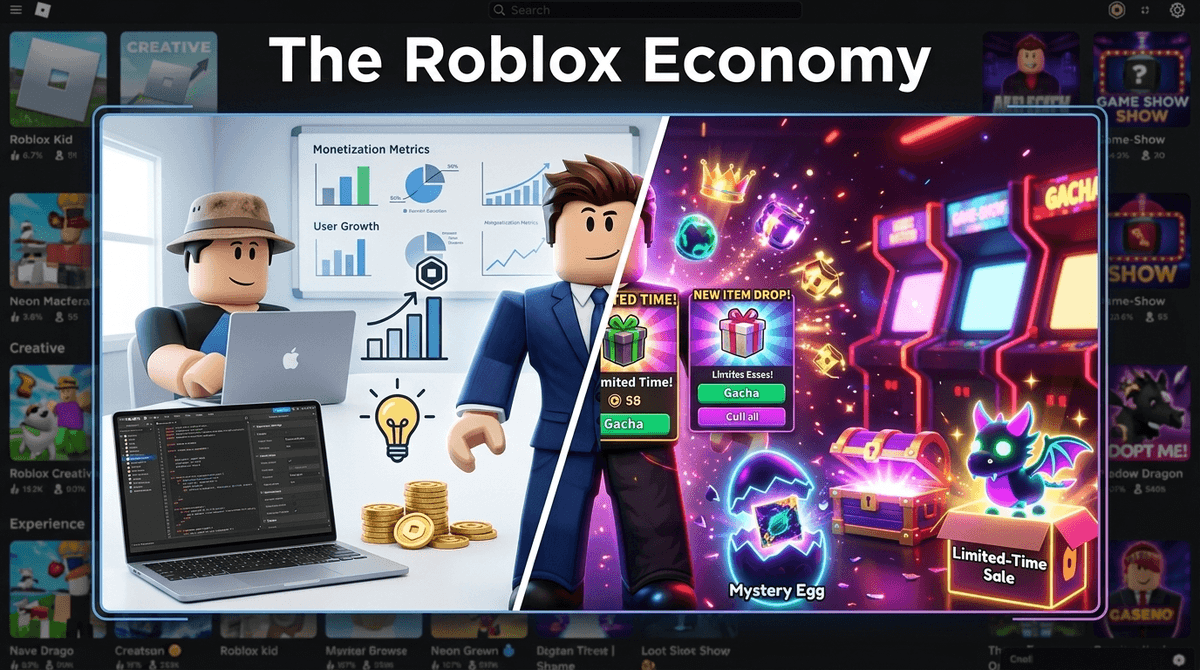
But most kids on Roblox aren't building. They're grinding pet simulators, chasing limited-edition cosmetics, and navigating social hierarchies that are effectively middle school with a virtual economy bolted on. The platform's business model — Robux, premium items, FOMO drops — is engineered to make kids feel left out without spending. It works. That's not a bug; it's the product. The Safety score lands at 25 for a reason too, and that's the number that should shape every decision you make about this platform.

The honest parent's read is this: Roblox can be worth it, but it requires active setup and occasional monitoring to stay that way. The families who get the most from it treat the parental controls as mandatory (not optional), set a Robux budget before the first login, and find ways to push their kid toward Roblox Studio at least occasionally. The families who struggle hand it over and check back in six months. You'll find yourself in a very different conversation depending on which one you choose.
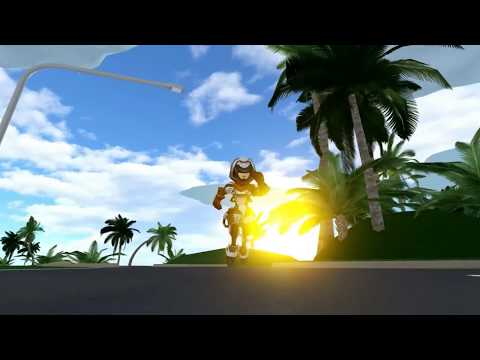

The real risk on Roblox isn't the games. It's the chat and the currency combined.

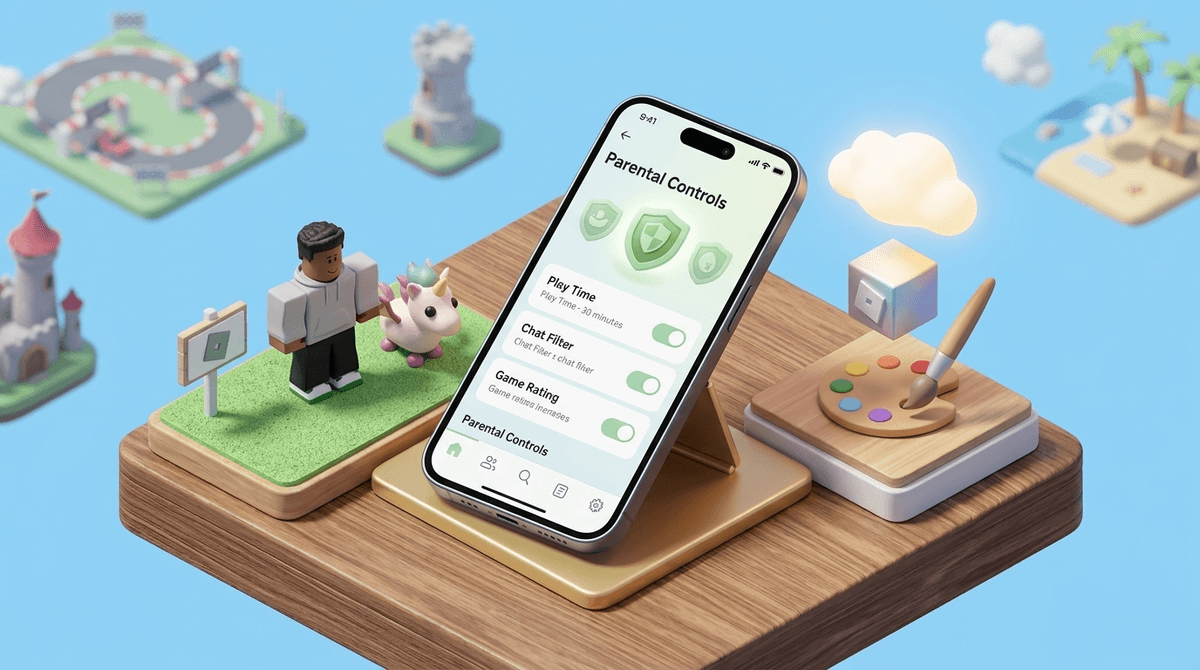
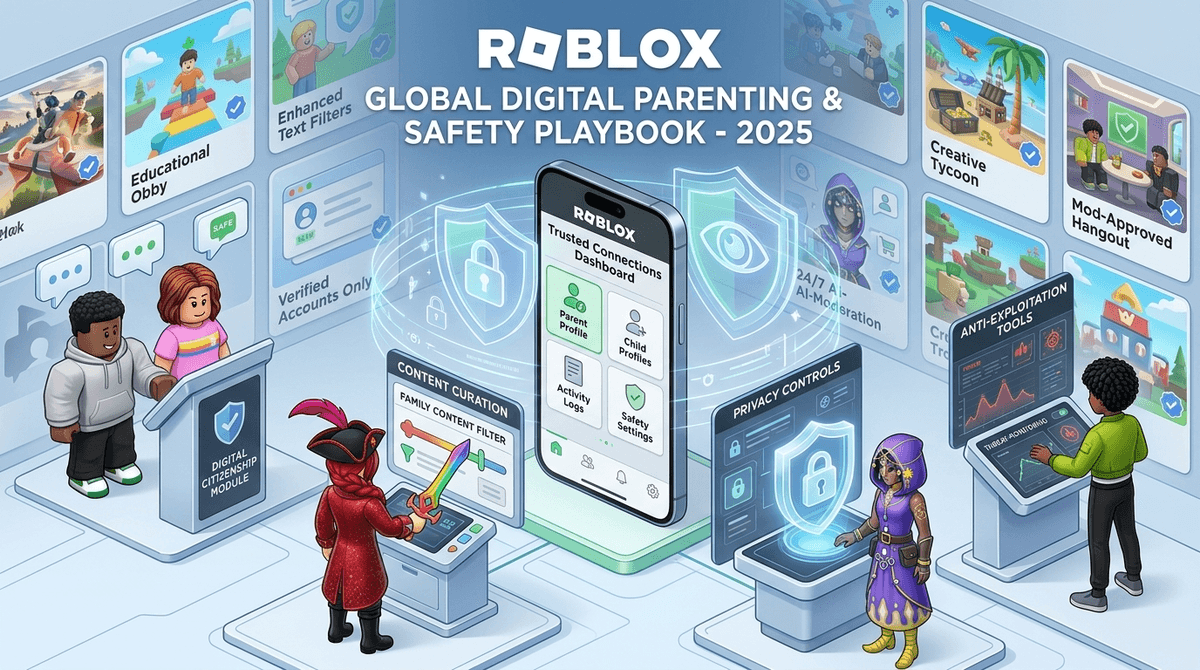
Roblox has chat. Despite what some older platform data suggests, kids can and do communicate with strangers on Roblox — through in-game text chat, proximity voice chat (for age-verified users 13+), and within-game social features. The moderation is imperfect at scale: there are hundreds of thousands of active experiences, and Roblox's team cannot review everything in real time. Documented cases of predatory contact, scam solicitation, and inappropriate content in user-created games are not rare edge cases — they're a predictable output of a platform this large with this much user-generated content. The fix isn't panic; it's configuration. Under-13 accounts have chat restrictions by default, but those settings need to be verified and not assumed. Check the parental controls dashboard, restrict chat to friends only, and know who your kid's "friends" on the platform actually are.

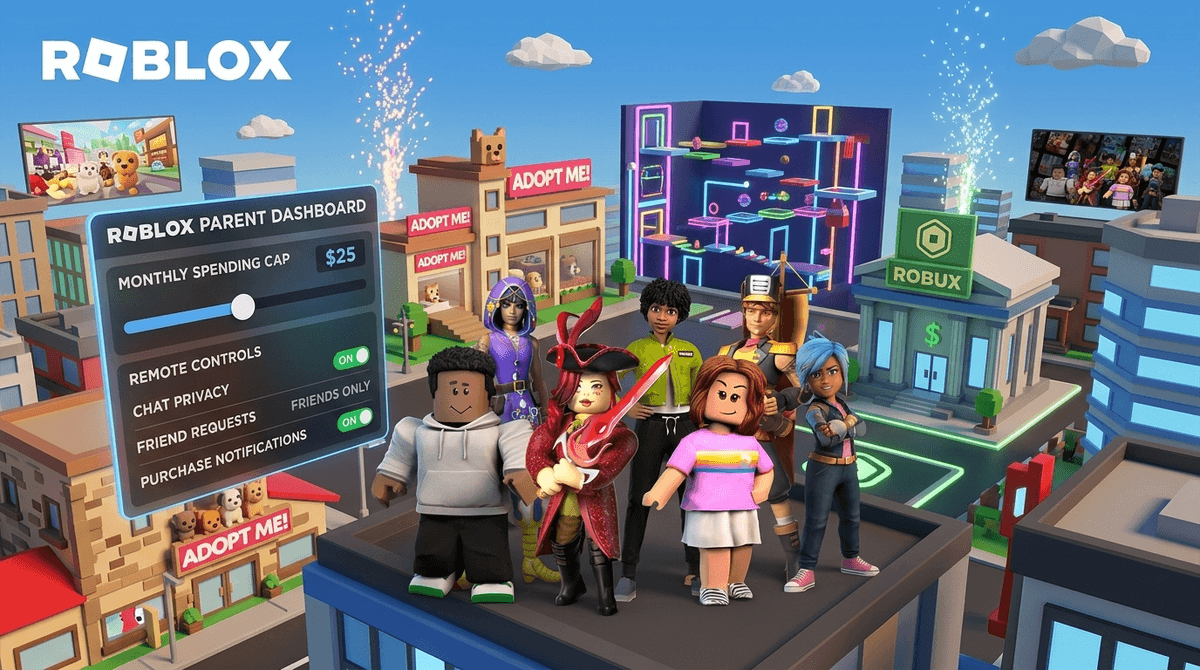
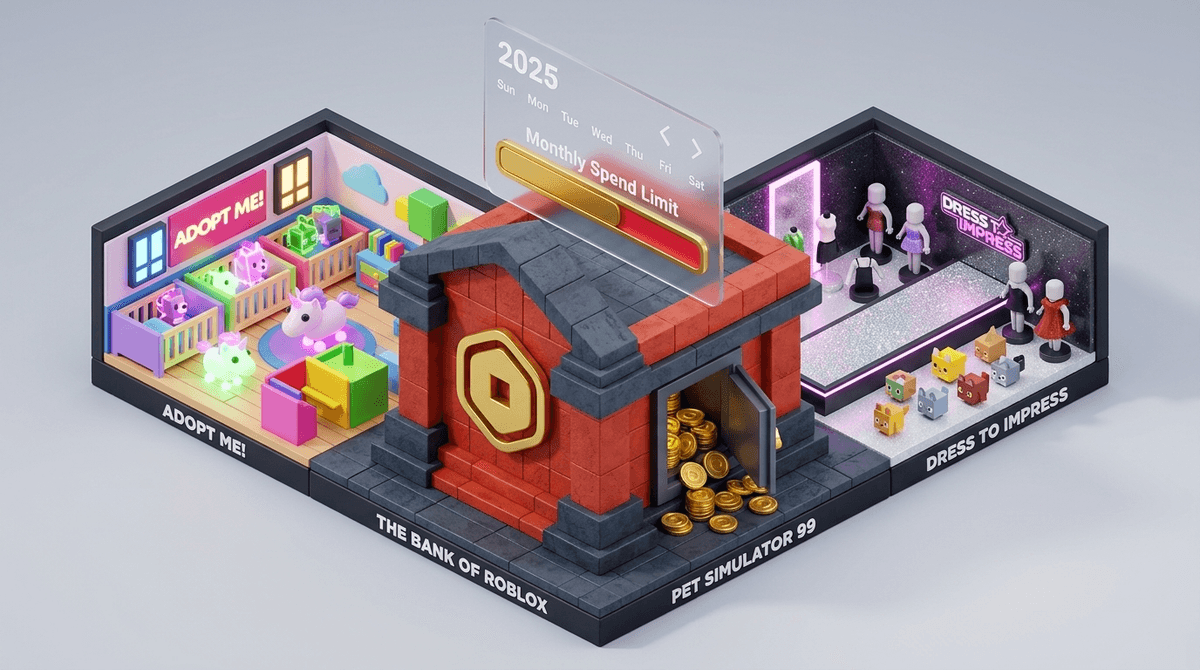
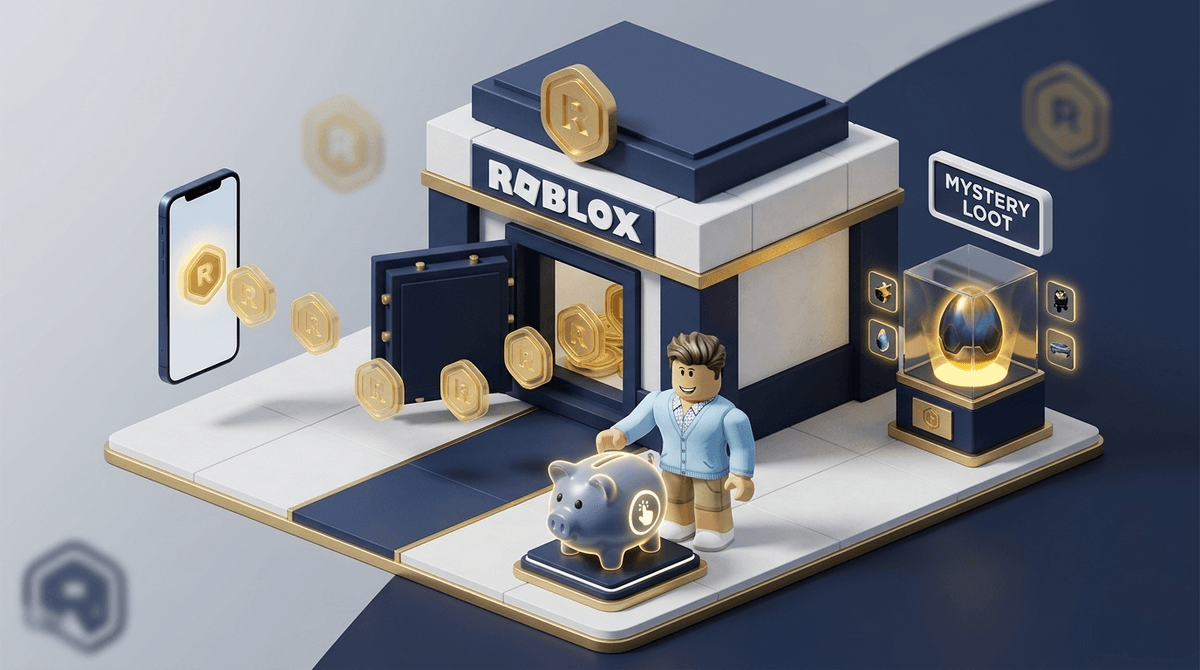
The other thing worth knowing: The Robux economy is specifically designed to make kids feel excluded without spending. Limited-time items, "rare" cosmetics, games that gatekeep content behind premium currency — these aren't incidental to the platform, they're central to its business model. A kid who plays Roblox will ask for Robux. That's nearly guaranteed. The move isn't to say no forever; it's to set the terms before they start playing. A fixed monthly Robux allowance, treated like a real budget they manage, actually turns this into a financial literacy opportunity. A blank check, or caving on a case-by-case basis, turns it into an expensive habit with no natural ceiling.

One more thing: The compulsive design is intentional and effective. Roblox's trending games are not trending because they're the best games — they're trending because their loop design is optimized for session length. "Just one more game" is not a willpower failure on your kid's part; it's the platform working as designed. Timer-based screen limits, set at the device or router level rather than negotiated in the moment, are the only reliable counter to this. Negotiating screen time with a kid who's mid-session on a well-designed compulsion loop is a losing proposition every time.


Where to start.

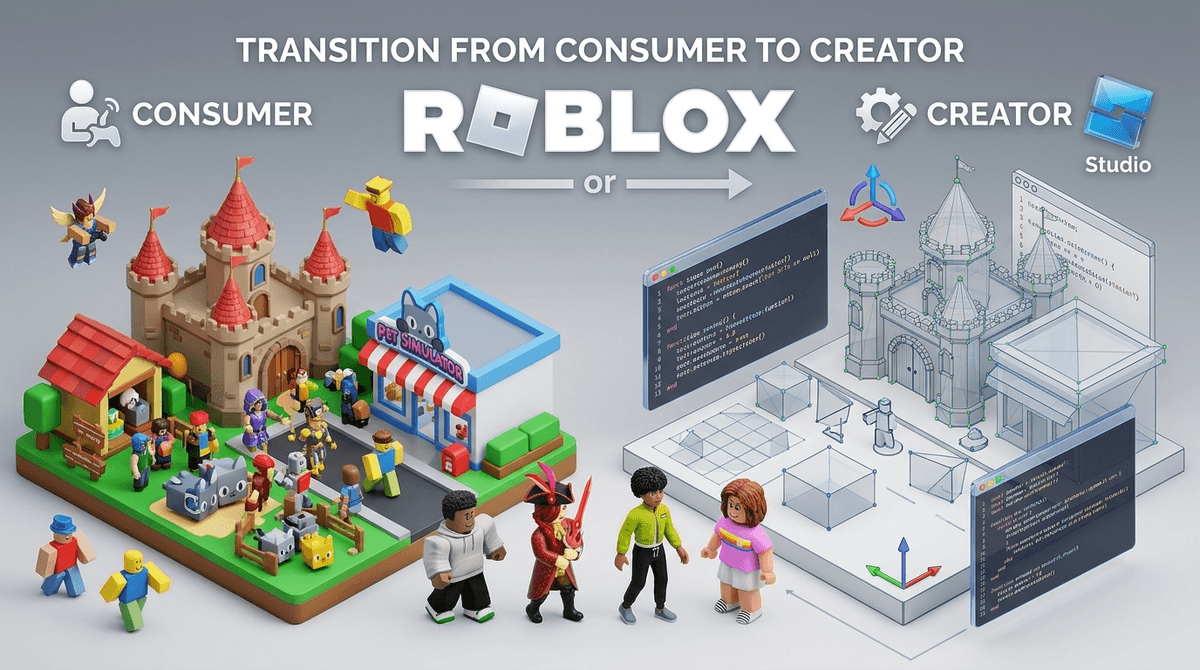
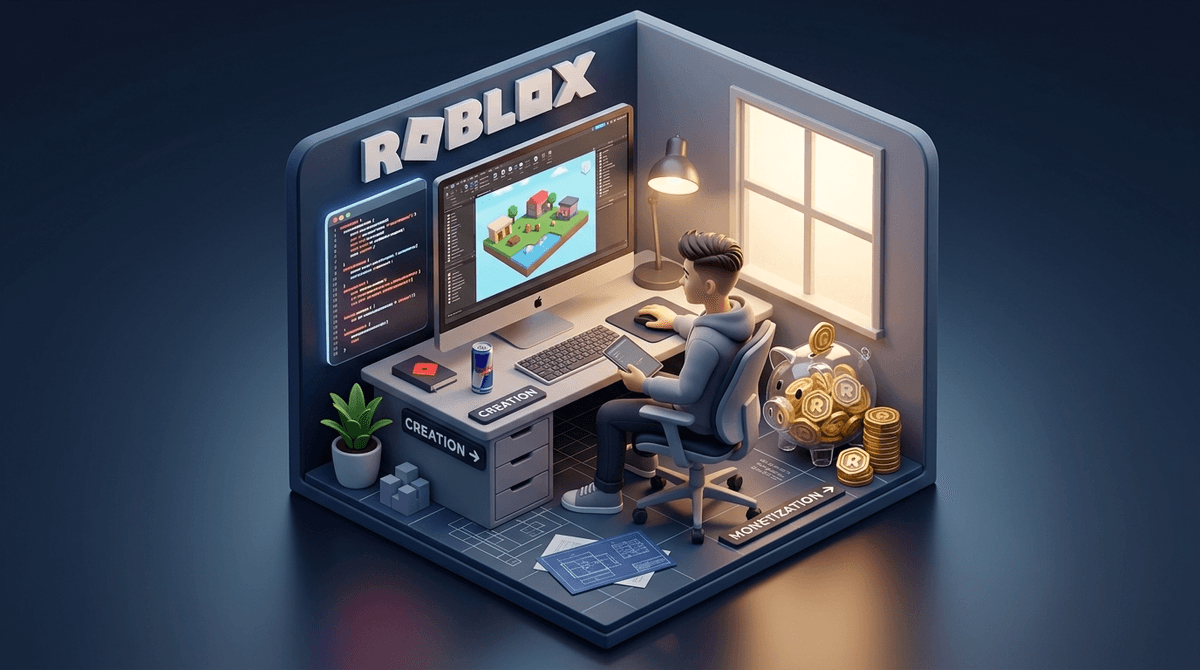
Roblox Studio (the creation side). **Start here if your kid has any interest in making things.** Roblox Studio is the platform's actual strength — a free game-development environment where kids can build worlds, script behaviors in Lua, and publish experiences for others to play. It's genuinely educational in a way that playing Pet Simulator 99 is not. Ages 8 and up can get real traction here, especially with a beginner guide or YouTube tutorial alongside. The jump from 'player' to 'creator' changes the entire relationship with the platform. More →

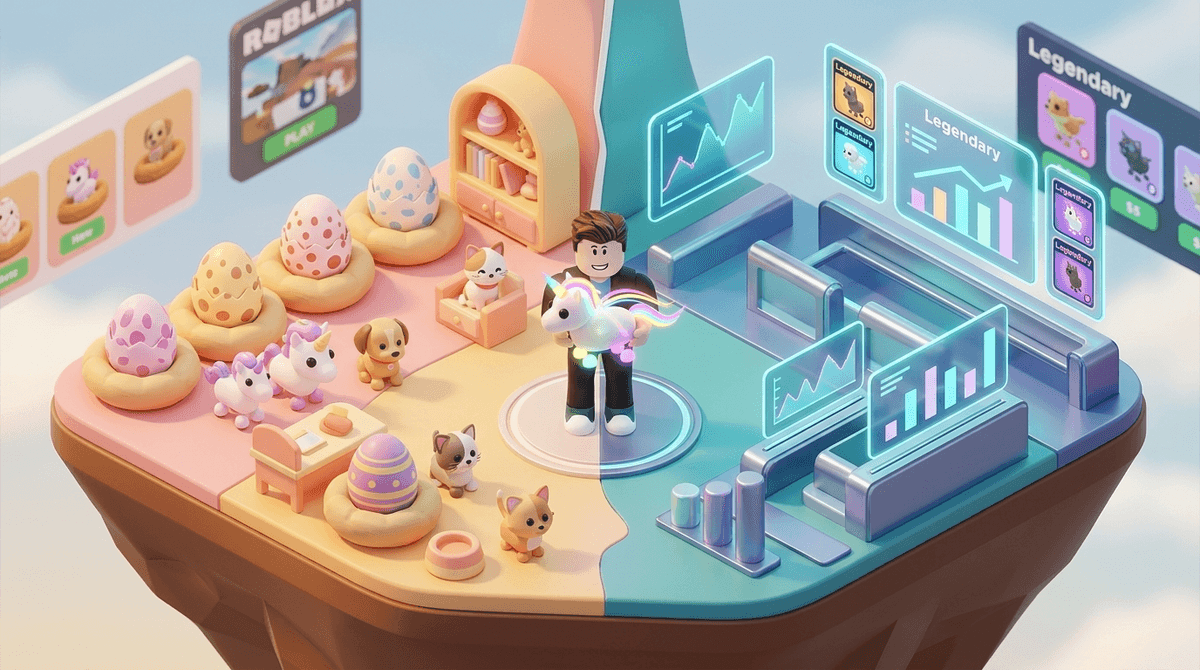
Adopt Me! (the low-stakes social entry point). **The most-played game on Roblox, and a reasonable starting point for younger kids.** Adopt Me is a pet-collecting, home-decorating, role-playing experience that's lower on violence and higher on social play than most trending Roblox games. The catch: it has a robust trading economy that attracts scammers, and the pressure to get rare pets drives real spending. Good for a first look at how Roblox games work — but worth a conversation about trading before they dive in. More →

Natural Disaster Survival (the classic, low-monetization experience). **One of the oldest, most played experiences on the platform — and notably less predatory than most trending games.** Players survive various natural disasters together in rounds. No trading economy, minimal monetization pressure, fast rounds, easy to understand. It's a useful window into what Roblox games actually feel like before handing over any Robux. Works well as a first session for kids ages 7–10. More →


Slide deck for parents

Bring the Roblox conversation home — or to the PTA.

A slide deck built for families and schools running a real conversation about Roblox: what kids are actually doing in there, where the chat risks live, what to do about Robux, and the questions worth asking before, during, and after. Open the deck to copy it, present it, or pass it to other parents.

Embedded from Google Slides. Open it to download, copy, or present.

Open the deck

After you watch.

A few things worth saying when the episode ends:

  • What's the most Robux you've ever seen someone spend on an item in a game? Did it seem worth it to them?
  • If you could build any kind of game in Roblox, what would the rules be? What would make it fun?
  • Have you ever seen something weird or uncomfortable in a Roblox game? What happened?
  • Have you ever been traded something in Roblox and felt like it wasn't fair? How did you handle it?
  • What's the difference between a Roblox game you could play for ten minutes and one you can't stop playing? What makes the second kind different?

If Roblox is too fast-paced

Slow it down.

Calmer alternatives across shows, games, and books — for the youngest viewers or for winding down before bed.

Browse all rated media

If your kid has outgrown Roblox

Graduate to these.
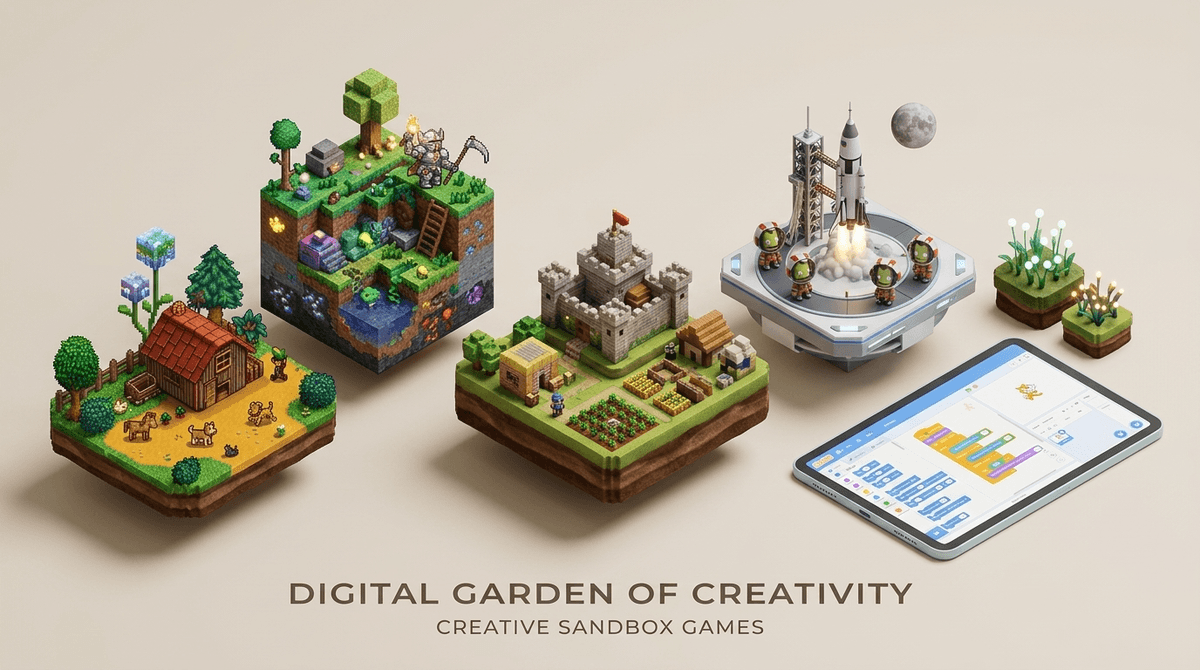
Same warmth, slightly older audience. Mix of shows, games, movies, and books for kids ready for more plot.
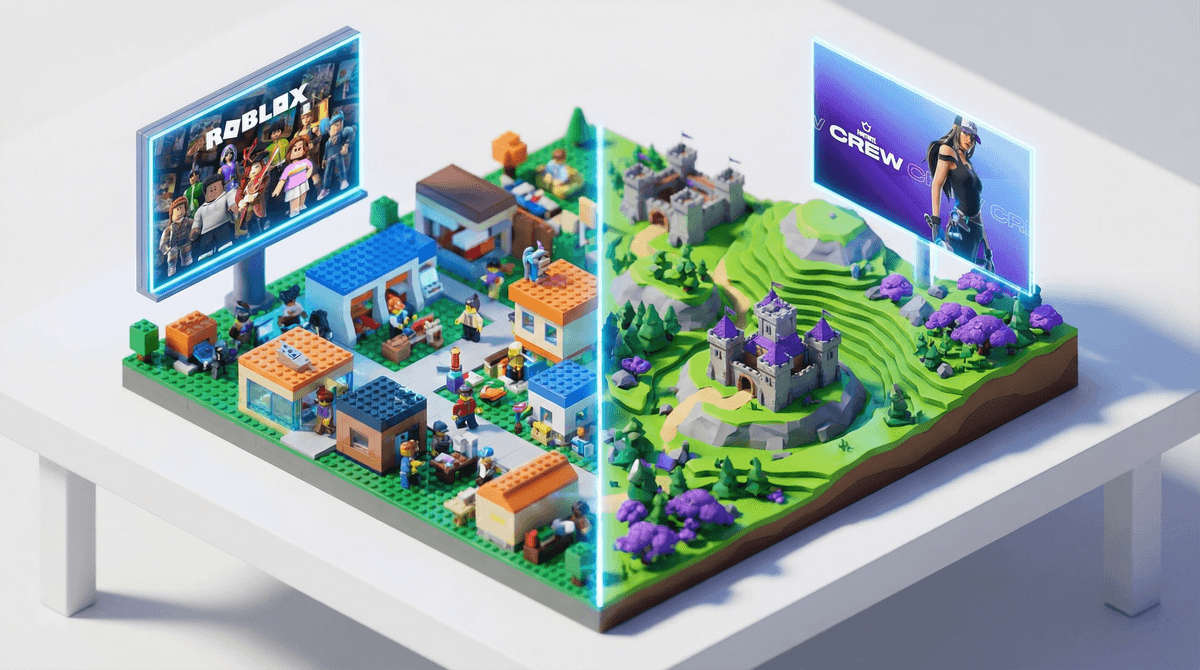
Browse all rated media


What other families are actually doing.

The next time your kid says “but everyone” about a phone, a TikTok account, or a new app — here’s the actual data by grade.

What kids are watching, by grade

Sign in to personalize this guide with data from families in your school, city, and community

Minecraft Usage by Grade

No Minecraft
Offline Only
Online Servers

Roblox Usage by Grade

No Roblox
Offline Only
Online Play

Gaming Console Ownership by Grade

No Console
Has Console

FAQ.

Real questions parents actually ask about Roblox


Go deeper

Read more.

More Roblox-adjacent guides — episode breakdowns, comparisons, voice-tested takes on related shows, and the screen-time conversations every parent eventually has.

Is Roblox Safe for My Kid? The 2026 Parent Playbook

Is Roblox Safe for My Kid? The 2026 Parent Playbook

Navigate the latest safety overhaul, from restricted DMs for under-13s to the remote tools that help you monitor friends and screen time.

Read the guide
Roblox’s Big 2026 Safety Reboot: A Parent’s Cheat Sheet

Roblox’s Big 2026 Safety Reboot: A Parent’s Cheat Sheet

Navigate the latest remote controls, facial age checks, and chat restrictions without the headache.

Read the guide
Roblox Just Rewrote the Rules for Chat: The 2026 Parent Playbook

Roblox Just Rewrote the Rules for Chat: The 2026 Parent Playbook

Understand how new facial age-checks and 'Trusted Connections' are reshaping how your kids talk, play, and stay safe on the platform.

Read the guide
Roblox's Big 2026 Safety Makeover: Managing Chat, Robux, and Remote Controls

Roblox's Big 2026 Safety Makeover: Managing Chat, Robux, and Remote Controls

Get up to speed on major safety updates—from the end of private DMs for younger kids to the new remote tools that let you manage it from your phone.

Read the guide
The Bank of Roblox: Deciphering Robux, Skins, and Digital Allowances

The Bank of Roblox: Deciphering Robux, Skins, and Digital Allowances

Master Robux, Premium perks, and the new 2026 spend limits to turn in-game spending into a real-world lesson in financial literacy.

Read the guide
The Bank of Roblox: From Digital Piggy Banks to 'Child Gambling' Debates

The Bank of Roblox: From Digital Piggy Banks to 'Child Gambling' Debates

Navigate the complex economy of avatars, virtual spending, and the real-world lessons—and risks—behind your child’s favorite pixels.

Read the guide
Is Roblox a Business School or a Digital Casino?

Is Roblox a Business School or a Digital Casino?

Decoding the complex world of virtual economies and what they're really teaching your kids about money, scarcity, and digital ownership.

Read the guide
Is Roblox a Game or a Career? Turning Screen Time into Creativity

Is Roblox a Game or a Career? Turning Screen Time into Creativity

Explore how Roblox Studio and the creator economy transform passive gaming into a masterclass in coding, 3D design, and digital entrepreneurship.

Read the guide
Digital Lemonade Stands: A Parent’s Guide to the Roblox Creator Economy

Digital Lemonade Stands: A Parent’s Guide to the Roblox Creator Economy

Learn how building in Roblox Studio teaches coding and business, while navigating the reality of digital monetization for kids.

Read the guide
From Gamer to Game Dev: When Your Kid Wants to Create on Roblox

From Gamer to Game Dev: When Your Kid Wants to Create on Roblox

Helping your child transition from player to creator while navigating the real-world skills and safety risks of Roblox Studio.

Read the guide
Roblox Voice Chat and the 2026 'Stranger Danger' Upgrade

Roblox Voice Chat and the 2026 'Stranger Danger' Upgrade

Navigating the new facial age-estimation and chat brackets designed to keep adults and kids in separate digital circles.

Read the guide
Stranger Danger 2.0: AI Deepfakes, Roblox Chats, and the New Rules of Online Safety

Stranger Danger 2.0: AI Deepfakes, Roblox Chats, and the New Rules of Online Safety

Move beyond 'don't talk to strangers' to help your child spot AI grooming, navigate social gaming, and build real digital resilience.

Read the guide
Roblox Adopt Me: The Stock Market for 8-Year-Olds

Roblox Adopt Me: The Stock Market for 8-Year-Olds

What you need to know about the trading scams, social hierarchy, and 'Mega Neon' obsession that makes this game so addictive for kids.

Read the guide
Murder Mystery 2: It’s Not the Killing You Should Worry About

Murder Mystery 2: It’s Not the Killing You Should Worry About

The real deal on this mega-hit: the gameplay is basically cartoon tag, but the high-stakes knife economy is a total scammer’s paradise.

Read the guide
Pet Simulator 99: A Parent’s Guide to the Ultimate Roblox Money Pit

Pet Simulator 99: A Parent’s Guide to the Ultimate Roblox Money Pit

Everything you need to know about the “Forever Pack” money trap, the trading plaza chaos, and the dopamine loop keeping your kid glued to the screen.

Read the guide
Roblox: Future CEO Training or Just a Robux Money Pit?

Roblox: Future CEO Training or Just a Robux Money Pit?

How to tell if your child is building real-world coding skills or just window shopping in a digital mall.

Read the guide
The Sandbox Swap: Great Alternatives to Minecraft and Roblox

The Sandbox Swap: Great Alternatives to Minecraft and Roblox

Discover creative games that foster building skills and community without the constant pressure for Robux or unmoderated chats.

Read the guide
Fortnite and Roblox: What Parents Need to Know

Fortnite and Roblox: What Parents Need to Know

The essential guide to the two games dominating your kids' screen time and friend conversations.

Read the guide

Want recs for your kid specifically?

Take the 5-minute Screenwise family survey. We’ll use it to surface the shows, games, and books that actually fit your kid — not just the generic top 10.

Take the 90-second Gut Check