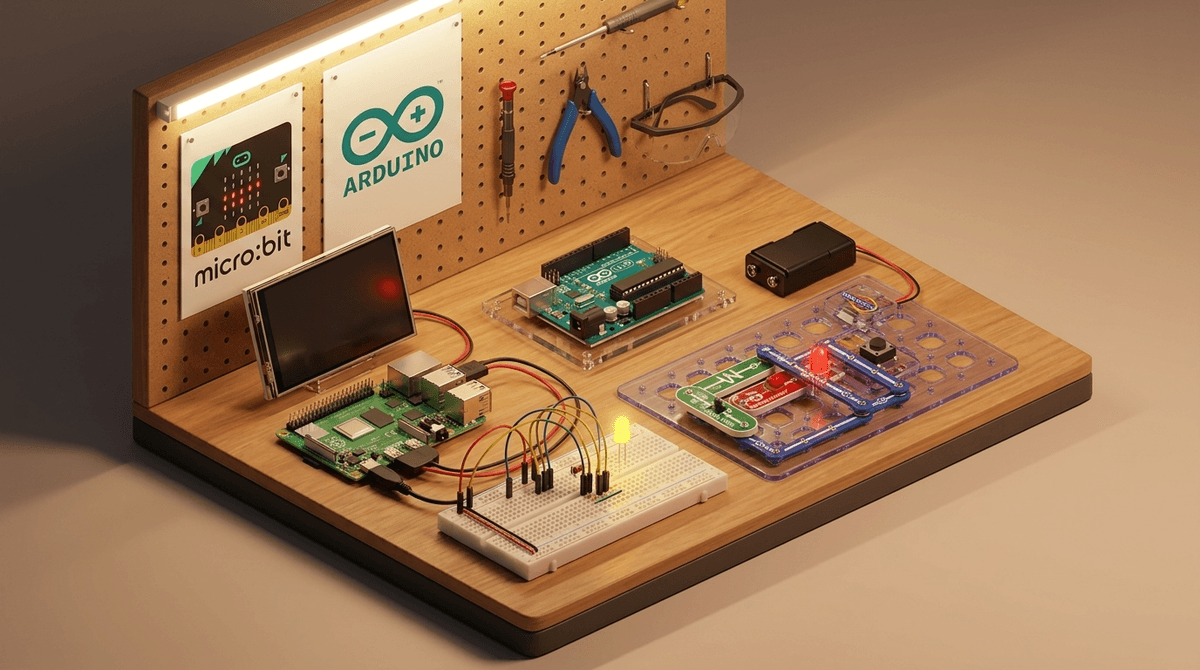
Arduino is the gold standard for physical computing and arguably the best use of a screen you can find. It’s the antidote to the 'scroll-hole.' Instead of consuming content, kids are forced to troubleshoot, design, and create.
It doesn't pander. It treats kids like capable creators. The learning curve can be steep—expect some 'I hate this' moments when a circuit doesn't light up—but the payoff when that robot finally moves is a massive confidence booster that no iPad game can replicate. If your kid is curious about how things work, skip the plastic 'STEM' toys and get them a real Starter Kit.
Age Fit
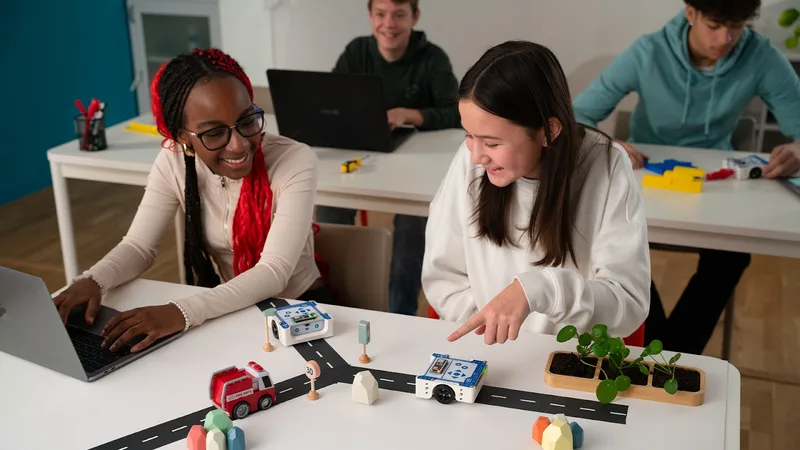
Best for ages 10 and up. While younger kids can play with the robots using drag-and-drop tools, the real magic of Arduino (the coding and circuit building) usually clicks around middle school when their fine motor skills and logic are sharper.
WISE Breakdown
Wholesome
95
It’s the ultimate antidote to passive screen time. Arduino promotes patience, logical thinking, and the satisfaction of building something physical. There is zero 'brain rot' here; it’s all about trial, error, and genuine accomplishment.
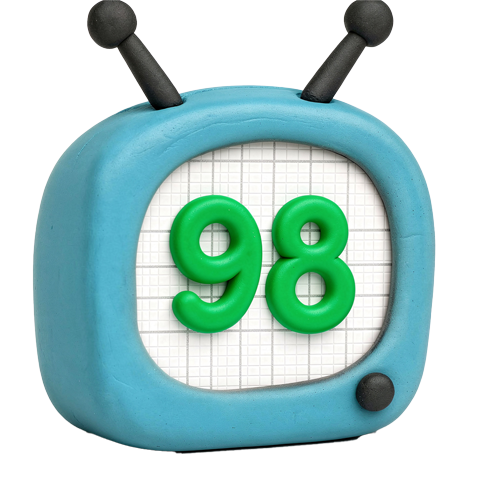
Imaginative
98
It is a literal blank canvas for hardware. Whether a kid wants to build a laser tripwire for their room or an automated plant waterer, the platform provides the tools to turn any 'what if' into a working prototype.
Safe
92
The website is COPPA-certified with dedicated Junior Accounts that limit data collection. The main safety concerns are physical: small parts for toddlers and the potential for burns if they graduate to soldering. Online forums are moderated but are generally professional/hobbyist environments.
Enriching
98
This is real-world skill building. It teaches C++ programming, circuit design, and physics. It’s not a 'toy' version of engineering; it is the exact same platform used by professional prototypers and artists globally.
Parent Info
✓
Why It Might Be Great
Teaches real C++ and electronics, not just 'kiddy' block coding.
Massive global community means if your kid gets stuck, the answer is already online.
The 'Junior Certification' gives kids a tangible goal and a resume-builder before they even hit high school.
Hardware like the Uno R4 and Alvik robot stay relevant as they grow—it's not something they'll outgrow in six months.
⚠
What to Watch For
The 'Semicolon Trap': Programming can be frustrating for kids who struggle with attention to detail; one missing character breaks the whole project.
Physical hazards: Some kits involve soldering or small batteries. You'll want to be the 'safety officer' for the first few builds.
Cost creep: The starter kit is a great value, but once they want to build bigger robots, the sensor and shield costs can add up.
Conversation Starters
"If you could automate one annoying chore in this house, what would it be and how would we build it?"
"Why do you think the code didn't work the first time? Let's 'rubber duck' the logic together."
"Check out this project on the Arduino blog—do you think we can source those parts from our old toys?"