The 'Empire Strikes Back' of Education Tech
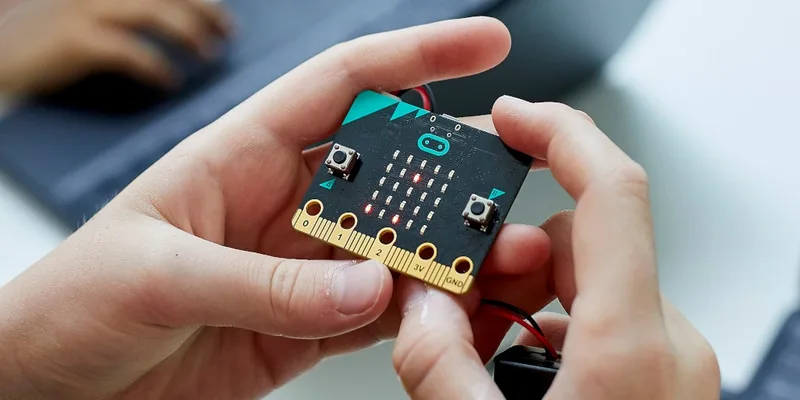
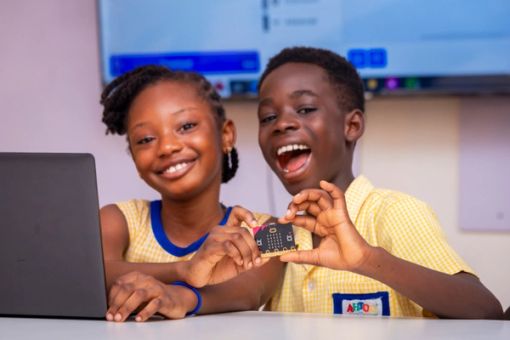
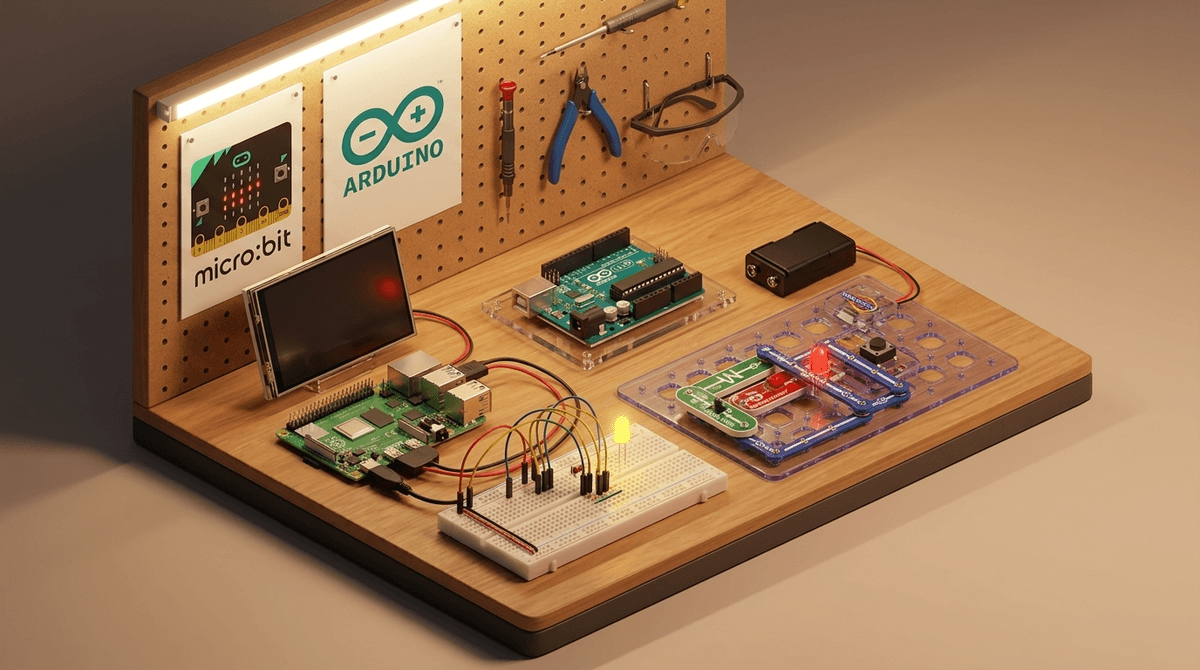
When the original Micro:bit launched in 2016, it was a revelation. It was simpler than an Arduino and more focused than a Raspberry Pi. But the Micro:bit V2 (released more recently) is where it really found its stride. They added a speaker, a microphone, and a touch sensor directly onto the board. This sounds minor, but for a kid, being able to make a 'clap-activated light' without buying extra sensors is a game-changer.
Why it beats Scratch
Don't get me wrong, Scratch is great. But Scratch lives in a box. The Micro:bit lives in the real world. When a kid codes a compass on a Micro:bit and then takes it outside to actually find North, something clicks that doesn't happen on a tablet. It teaches physical computing, which is the backbone of everything from your Tesla to your toaster.
The Learning Curve
The MakeCode editor is the gateway drug. It looks like Lego blocks. Once they outgrow that, they can toggle a switch and see that same code in JavaScript or Python. It's the most seamless transition from 'kid coding' to 'real coding' I've ever seen.
One pro-tip for parents: don't just buy the board. Get a 'starter kit' that includes a couple of alligator clips and a battery pack. It expands the 'play' possibilities by 10x immediately. You aren't just buying a toy; you're buying a tiny engineering lab that fits in a pocket.