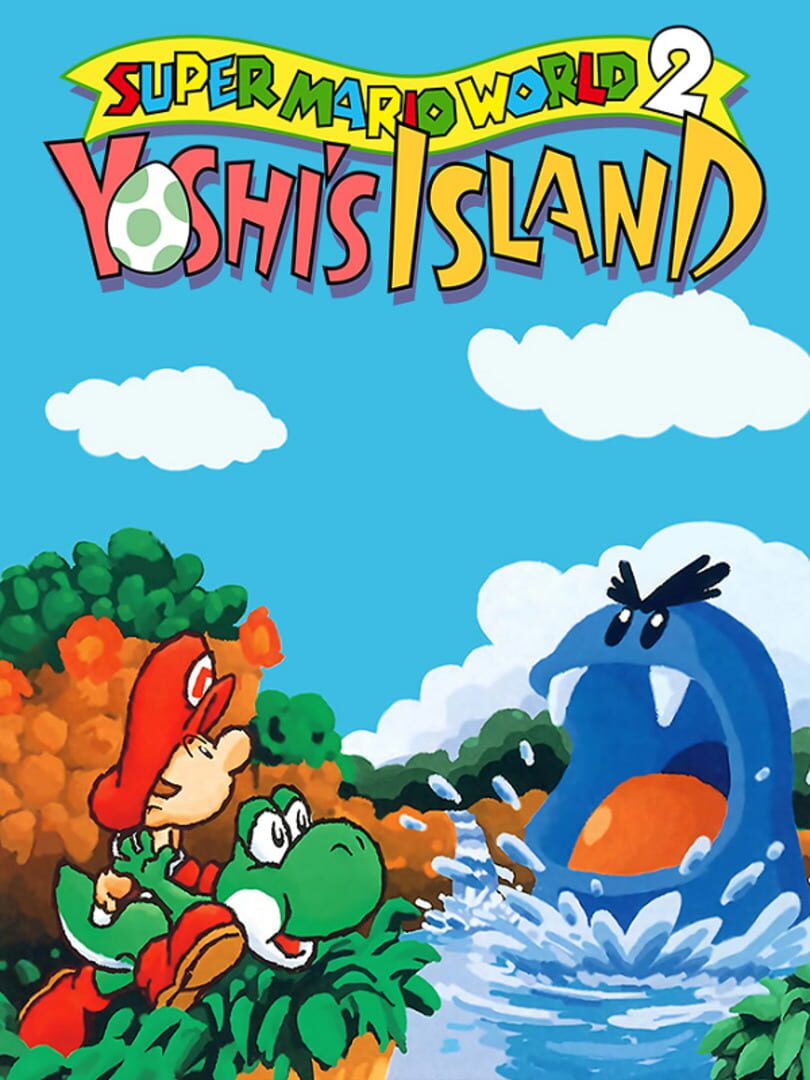
Yoshi's Island is quite possibly the best 2D platformer ever made. While its predecessor, Super Mario World, gets more mainstream glory, this game has more heart, more creativity, and an art style that will never go out of fashion. It’s the rare 'retro' game that doesn't feel like a chore for a modern kid to pick up.
It’s fundamentally a game about caretaking. You aren't just trying to reach a goal; you're responsible for a vulnerable character. That shift in perspective makes the victories feel more meaningful and the close calls more intense. If you have a Nintendo Switch, this is an essential play through the SNES library.
Age Fit
Perfect for ages 6 and up. Younger kids can enjoy the early levels with help, while the hidden collectibles and secret stages will keep even seasoned adult gamers busy for weeks.
WISE Breakdown
Wholesome
95
The entire game is built around a community of Yoshis cooperating to reunite two lost brothers. The tone is cheerful, the themes are about protection and caretaking, and the 'violence' is strictly cartoonish bean-bag physics.
Imaginative
94
Its hand-drawn, 'coloring book' aesthetic was decades ahead of its time and still looks fresh. The mechanics—transforming into helicopters, digging through soft dirt, and using physics-based egg ricochets—encourage constant experimentation.
Safe
98
As a classic 1995 cartridge game, there are zero concerns regarding unmoderated chat, data tracking, or microtransactions. The only 'danger' is a bit of frustration during the harder late-game levels.
Enriching
88
It's a masterclass in spatial reasoning and problem-solving. Unlike many modern 'hand-holding' games, it requires players to observe patterns and manage multiple tasks at once—like aiming an egg while navigating a moving platform.
Parent Info
✓
Why It Might Be Great
Timeless visual style that looks like a living sketchbook, avoiding the 'dated' look of most 90s games.
Unique mechanics like the 'flutter jump' and egg-throwing that reward precision and patience over mindless button-mashing.
Perfect difficulty curve that starts incredibly gentle for young kids but offers brutal 'Extra' levels for completionists.
Zero monetization nonsense—you buy the game (or access it via Switch Online) and you own the whole experience.
⚠
What to Watch For
The piercing sound of Baby Mario crying when he's knocked off Yoshi's back is designed to be stressful; it can trigger genuine anxiety in some younger players.
Later worlds (5 and 6) feature significant difficulty spikes and some mildly spooky bosses that might require a parent to step in and take the controller.
Conversation Starters
"Why do the Yoshis work together to help a baby they don't even know?"
"Which vehicle transformation was the most fun to control, and why?"
"Does the game feel harder or easier when you have to worry about protecting Baby Mario instead of just yourself?"
"If you could draw a video game world, what would it look like?"
Deep Dive
The Anti-Grind Classic
In an era where every 'kids' game is trying to sell you a battle pass or trick you into a daily login loop, Yoshi's Island is a breath of fresh, hand-drawn air. It was released at the very end of the Super Nintendo's life cycle, meaning the developers at Nintendo were at the absolute peak of their craft. They used a special chip (the Super FX 2) just to make the sprites rotate and crumble in ways that felt magical in 1995 and still feel charming today.
Why It Works for Families
This is the ultimate 'couch co-pilot' game. Because the primary goal is just getting to the end of the stage, a younger child can fumble through and still feel successful. However, the secondary goal—collecting all the red coins, flowers, and keeping 30 stars—is where the real challenge lies. This allows a parent and child to play together with different objectives: the kid focuses on moving forward, while the parent handles the tricky egg-shots to snag the collectibles.
The 'Crying Baby' Factor
Let's be real: the sound Baby Mario makes when he's floating in that bubble is one of the most annoying noises in gaming history. Nintendo did this on purpose to create a sense of urgency. For some kids, this 'peril' is a bit much. If your child is sensitive to high-pitched noises or gets easily overwhelmed by 'timer' mechanics, you might want to play the first few levels with them to see how they handle the stress of the rescue mission.