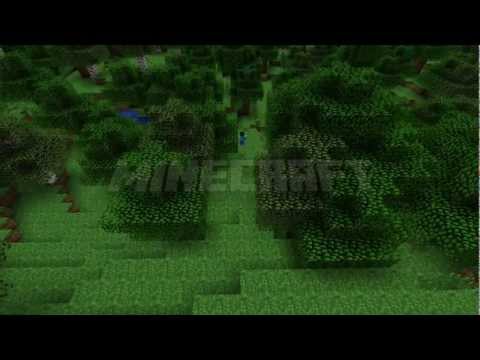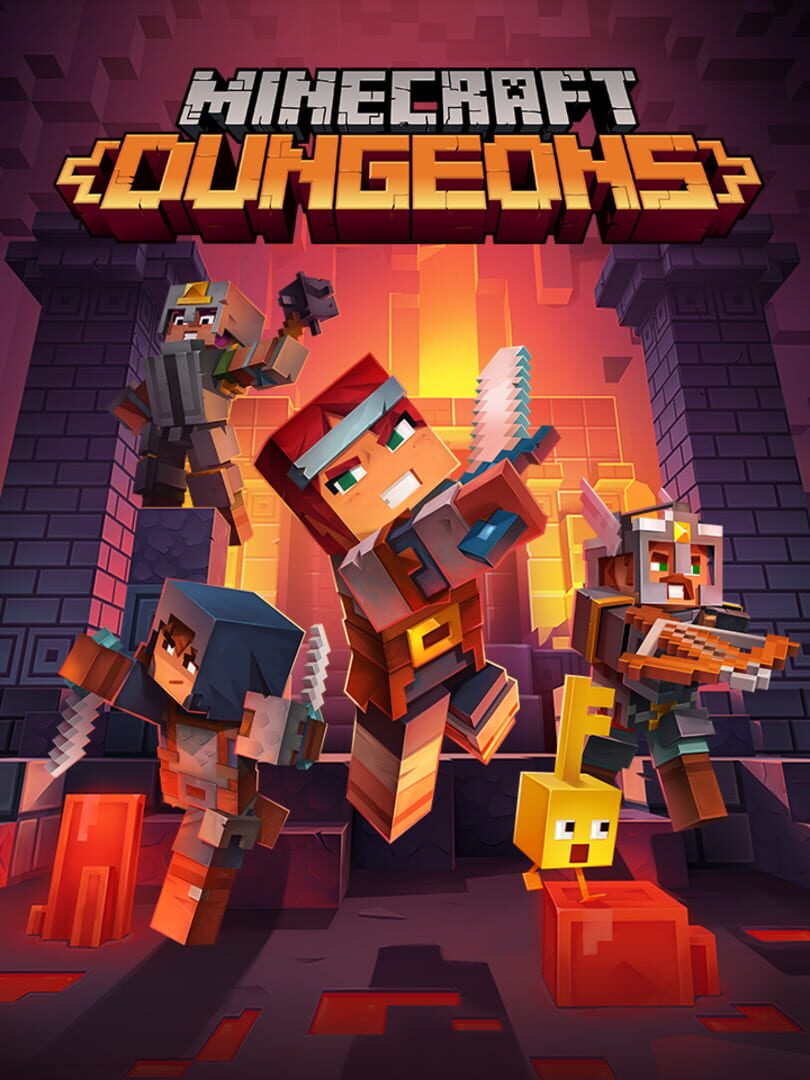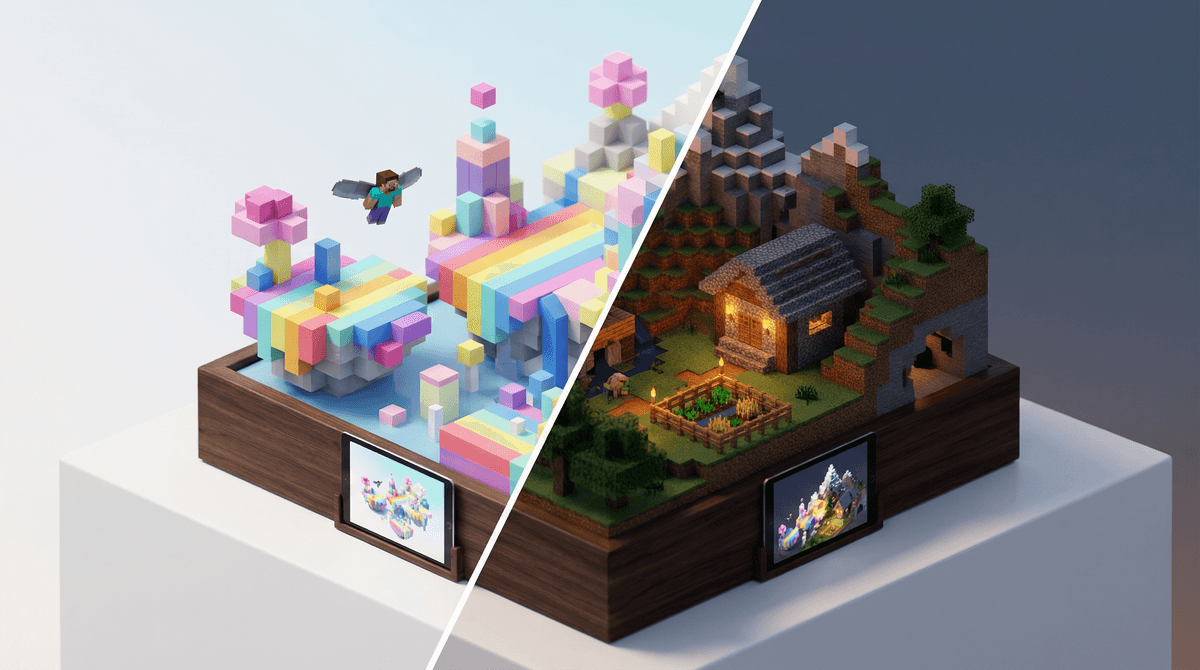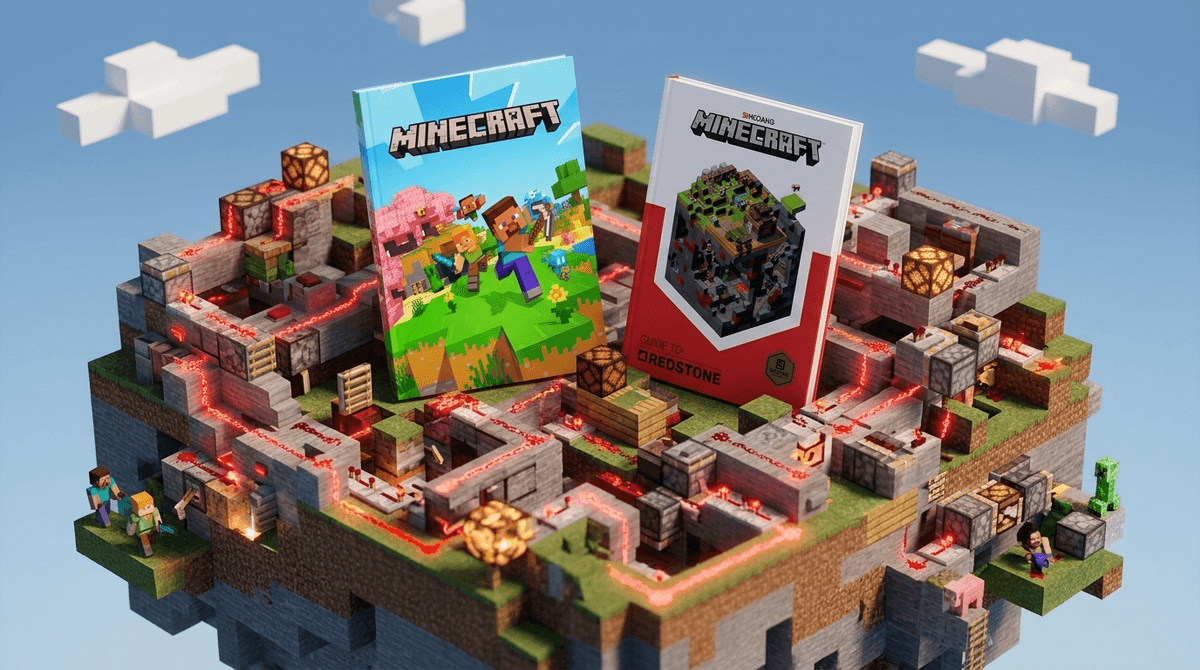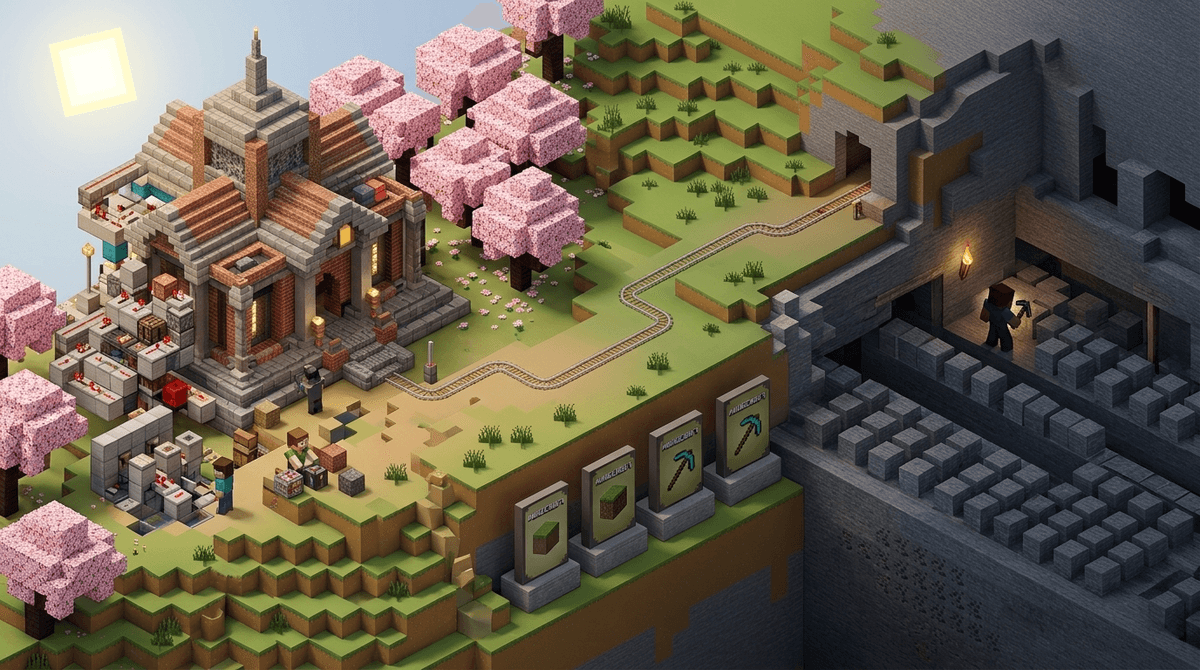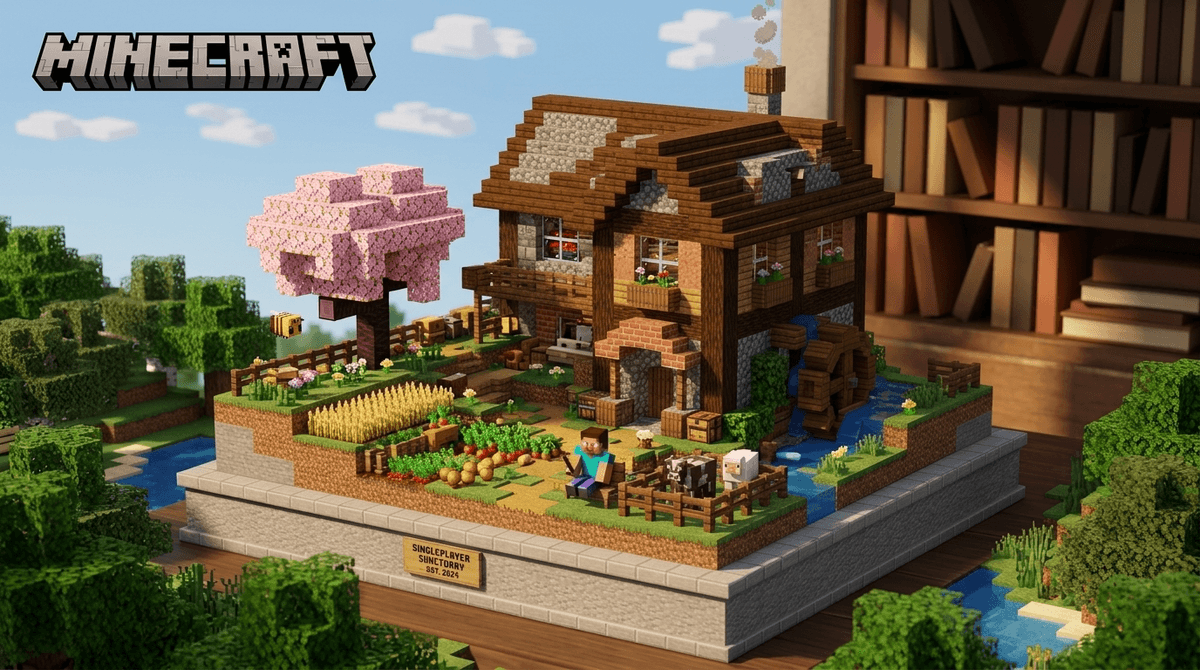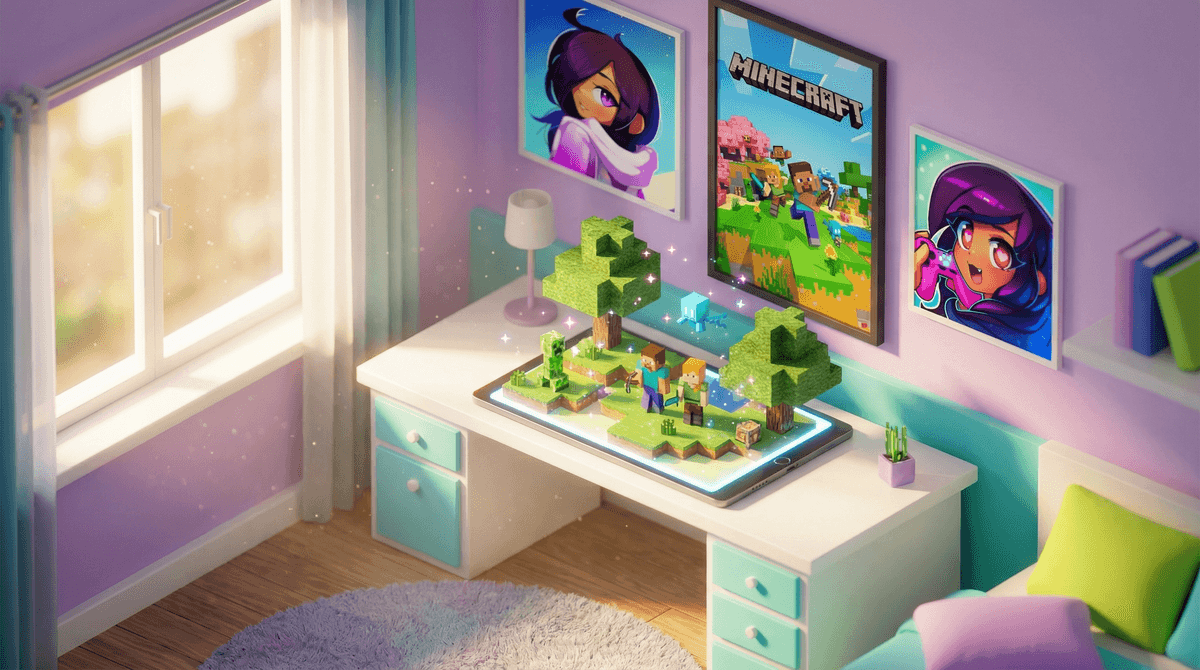
Minecraft is not really a game in the way parents typically think of games. There's no story that ends, no levels to complete, no score. It's closer to an infinite canvas that happens to have zombies in it. Kids dig, build, craft, wire up logic circuits, and explore procedurally generated worlds that are different every time. The optional goal — defeat the Ender Dragon — exists mostly as a horizon for kids who need one. Most players never touch it. They're too busy building.
What makes Minecraft genuinely different from almost everything else competing for your kid's screen time is that the creativity is real. The things kids make in Minecraft — working calculators built from redstone circuits, pixel-art murals, functioning roller coasters, faithful recreations of their school — require actual planning, spatial reasoning, and iterative problem-solving. This is not a game that rewards reflexes or generates dopamine hits by the second. It rewards patience and vision. That's unusual.
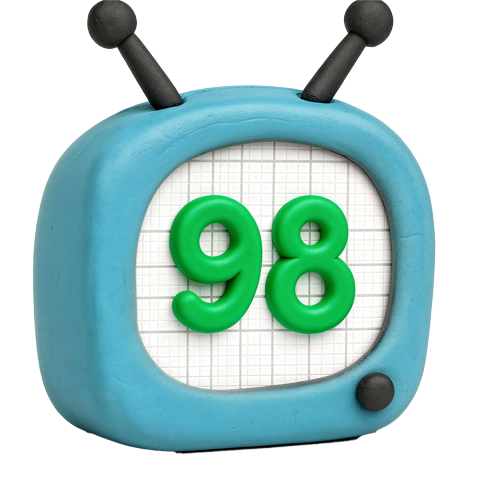
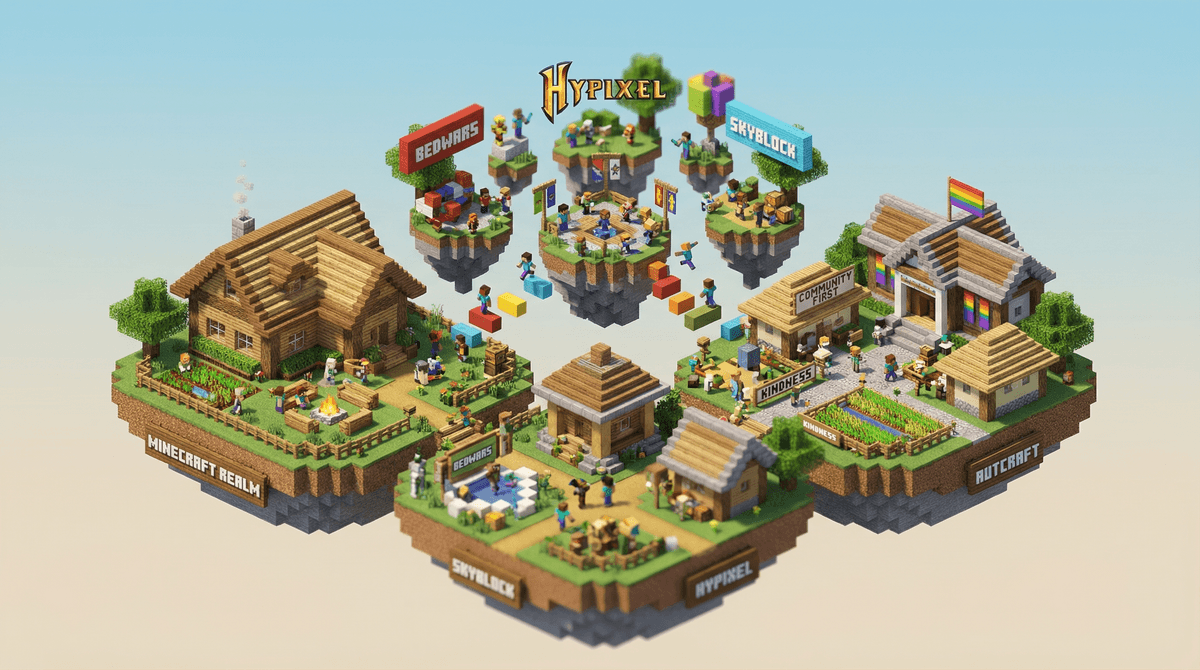
We score children's media on four dimensions — Wholesome, Imaginative, Safe, and Enriching — and Minecraft hits 85, 98, 72, and 88. The 98 on Imagination is the highest creative score in the game catalog. The 72 on Safety is the number to understand: it's not about the game itself, which is cartoonish and low-stakes, but about multiplayer. Public servers can be genuinely unsupervised spaces. That number drops with a public server and rises sharply in single-player or a private Realm with known friends.
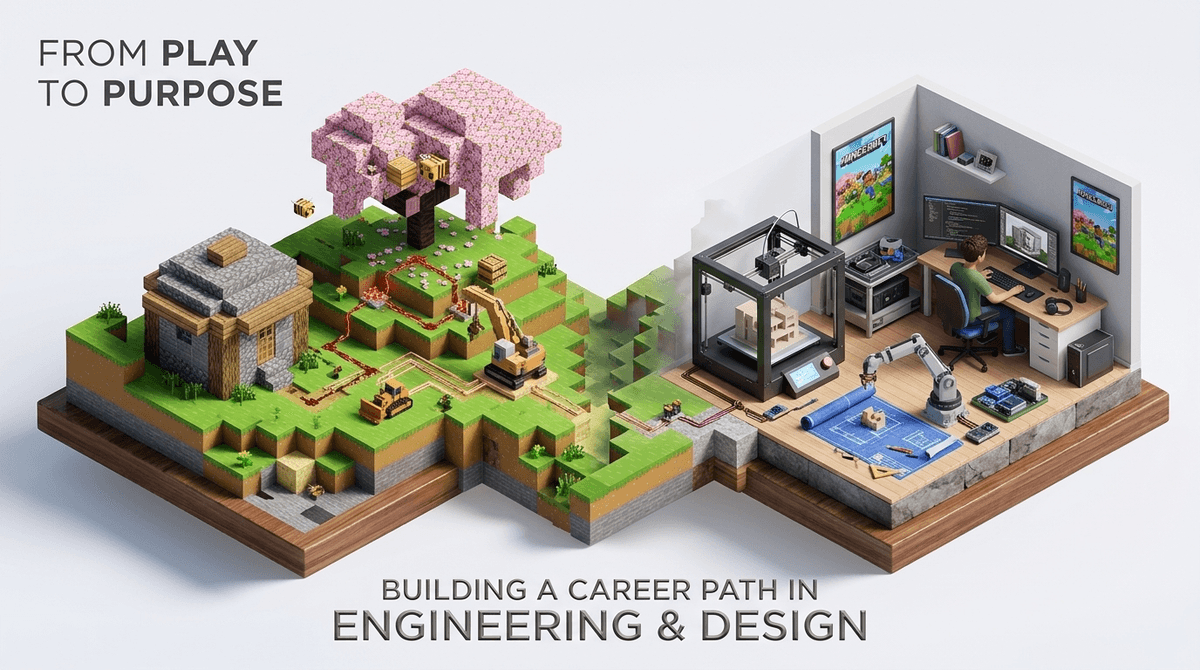
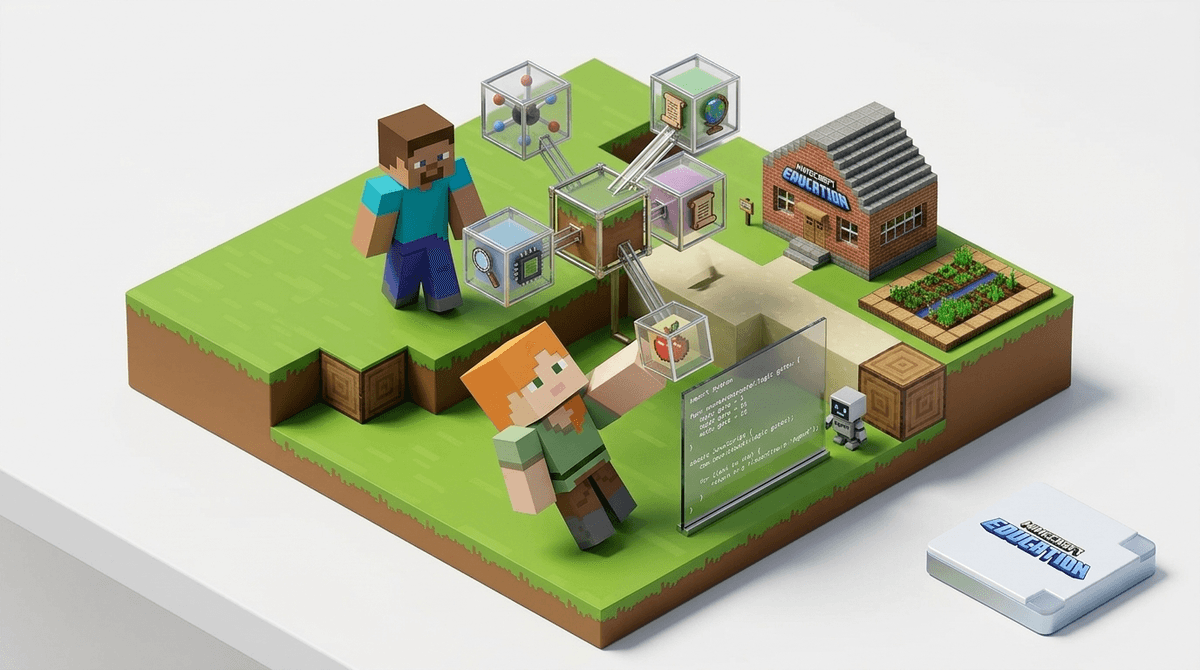
For kids 6–12, the real win is that Minecraft teaches the skills parents actually want to teach — persistence, planning, systems thinking — without feeling like a lesson. For older kids and teens, the ceiling rises: redstone engineering is legitimate computer science, Minecraft has a thriving modding community that teaches real coding, and collaborative server projects involve the kind of social negotiation most kids don't encounter anywhere else. Educators have been using it in classrooms for over a decade for exactly these reasons.
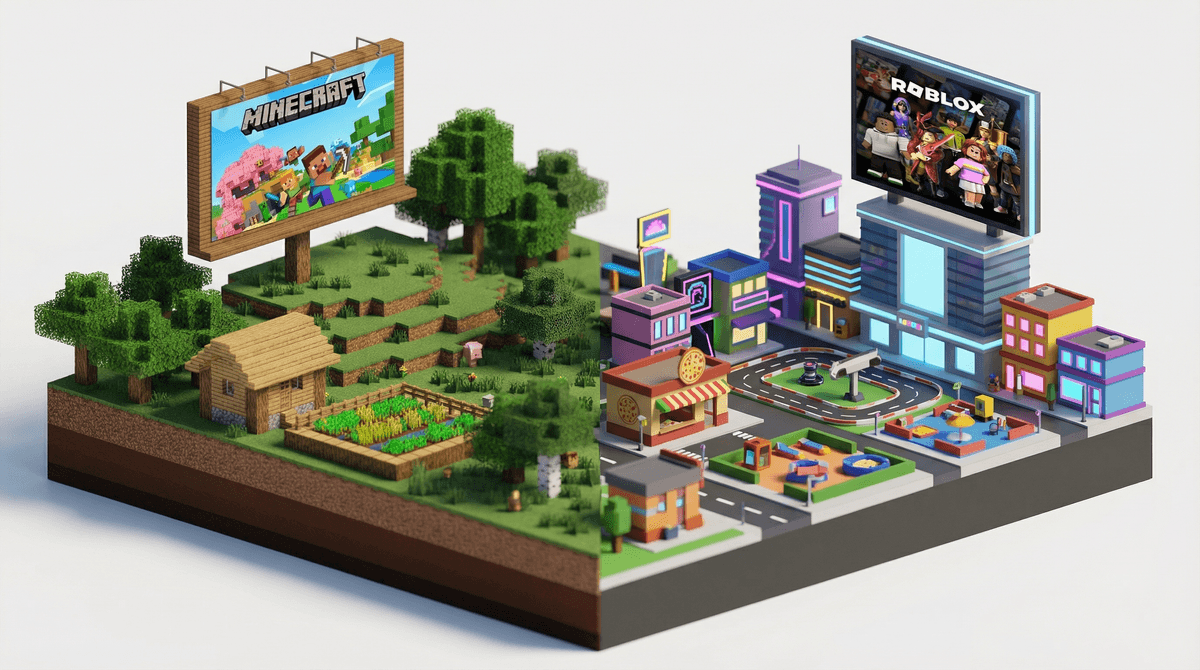
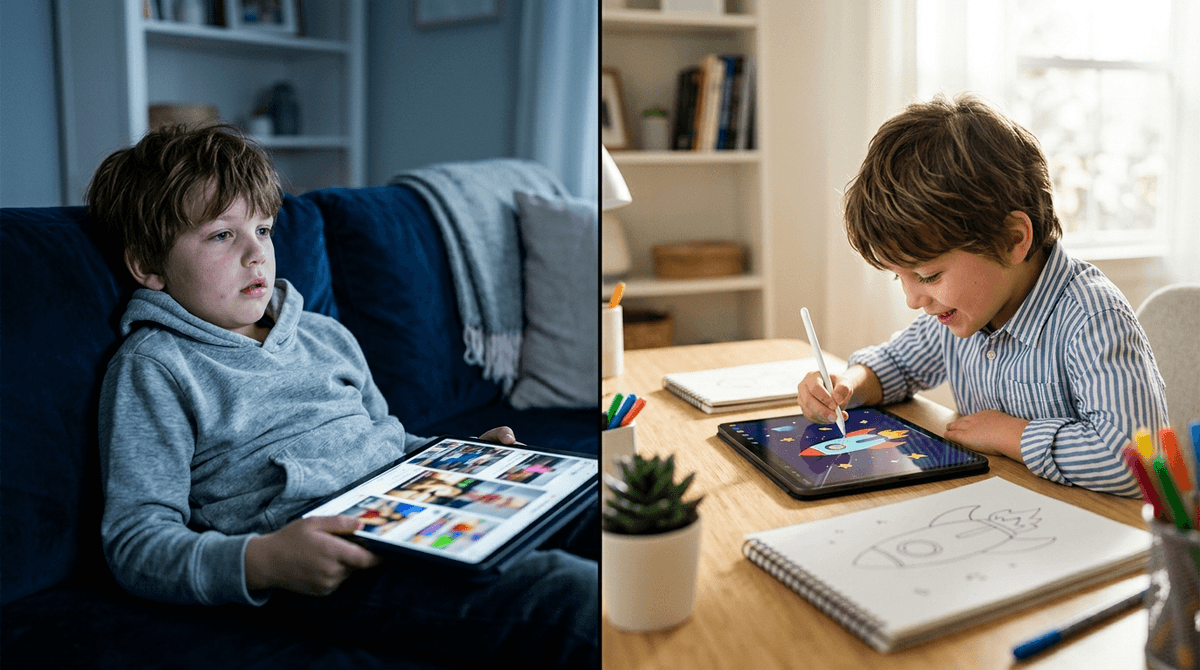
The cultural phenomenon part is also real. About 70% of US elementary kids play it. Your kid knowing Minecraft is your kid having a shared language with most of their grade. The flip side: that cultural gravity means time limits require active enforcement, because "five more minutes" is genuinely hard to honor when you're in the middle of building something. You'll find yourself watching a seven-year-old explain redstone logic with more focus than they've ever applied to a worksheet, and you'll understand exactly why this one has lasted fifteen years.