The Extrovert Ideal in the Classroom
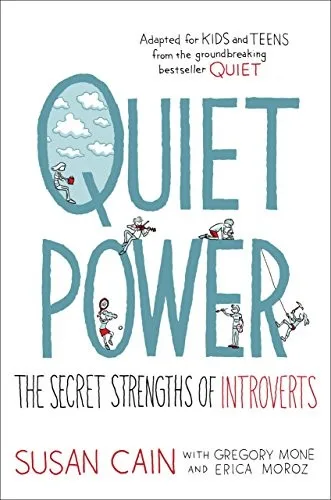
Most modern schools are designed for extroverts: group projects, open-plan classrooms, and 'participation' grades. For an introverted kid, this is basically a six-hour gauntlet of overstimulation. Quiet Power is the first major work to tell these kids that their desire to sit in the back and process information isn't a bug—it's a feature.
What makes this book work better than a standard parenting talk is the way it categorizes introversion. It doesn't treat it as a monolithic 'quietness.' Instead, it breaks down how introverts lead, how they create, and how they maintain friendships. It’s particularly useful for the 'introverted leader'—the kid who has great ideas but feels like they can't lead because they aren't 'alpha' enough.
Not Just for the Quiet Kids
There’s a strong argument that extroverted parents of introverted kids need this more than the kids do. If you’re the type of parent who wonders why your kid won't 'just go out and play' or why they need two hours of alone time after a birthday party, this book will be your Rosetta Stone. It replaces the 'what's wrong?' question with an 'oh, I see' realization.
By 2026 standards, the advice on navigating social media is still surprisingly relevant because it focuses on the drain of digital interaction rather than just the mechanics of the apps themselves. It’s a great companion for families trying to be intentional about their social batteries in a 24/7 connected world.
The grown-up original: This is the official young readers adaptation of Quiet: The Power of Introverts in a World That Can't Stop Talking by Susan Cain — Susan Cain's own retelling, at a length and reading level a middle-schooler can finish. When they close this one and want more, the original is the natural next step.