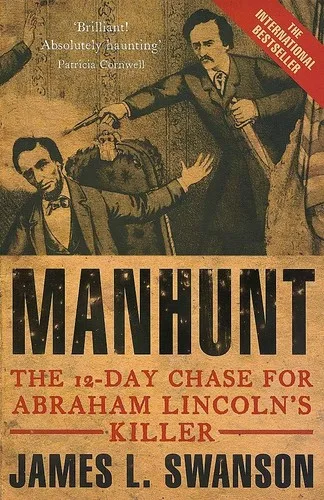
James L. Swanson basically invented a new genre for kids with this one. Before Manhunt (and its younger sibling, Chasing Lincoln's Killer), middle-grade history was often a bit sanitized and, frankly, sleepy. Swanson brought the 'True Crime' energy that adults love to the classroom, and it works.
The 'You Are There' Factor
What makes this work is the focus on the chase. We all know how the play ends at Ford's Theatre, but very few kids (or adults) know the details of the twelve days that followed. The book tracks Booth through the swamps of Maryland and into Virginia, showing the desperate, muddy, and increasingly delusional reality of his flight. It’s a great way to talk about the 'myth' of the outlaw versus the reality of a fugitive.
Literacy and the Reading Rope
Following the Screenwise belief that literacy is multi-stranded, this book is a heavy hitter for background knowledge and vocabulary. It doesn't talk down to kids. It uses the language of the era and the technical terms of 19th-century life, which builds that 'language comprehension' strand of the reading rope. If you have a kid who struggles with decoding but loves a good story, the audiobook version is an incredible way to keep their intellectual growth moving while their mechanics catch up.
Comparison to the Adult Version
If you're wondering whether to give your kid the original 2006 Manhunt or the 2009 Chasing Lincoln's Killer (the young readers' version), go with the latter for most middle-schoolers. It trims some of the denser political tangents but keeps all the tension and the 'good stuff.' However, for a precocious 14-year-old, the original Manhunt is a great 'adult' book that doesn't feel inaccessible.
The teen-sized edition: Chasing Lincoln's Killer is the official young readers adaptation of this book (ages 10–16) — same core ideas, shorter and gentler in the telling. The right handoff for a curious kid who isn't ready for the original.