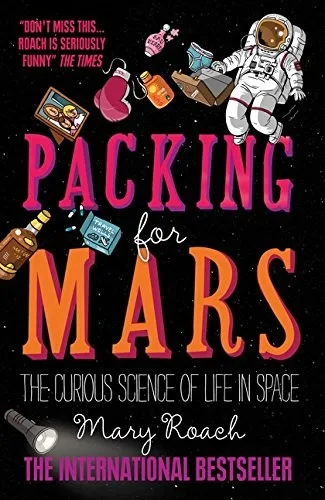
Mary Roach has a specific superpower: she can take a topic that sounds incredibly dry—like the history of space-suit design or the psychology of isolation—and turn it into a page-turner. Released in 2010, Packing for Mars remains the gold standard for 'human-scale' science writing.
The Anti-Textbook
Most kids learn about space through the lens of cold physics: orbital mechanics, rocket thrust, and planetary distances. Roach flips the script. She asks the questions kids actually have: What does space smell like? What happens if you puke in your helmet? Can you have a beer on the moon? By focusing on the biological and psychological reality of being a human in a place humans aren't meant to be, she makes the science feel high-stakes and personal.
Why it works for teens
This is a great 'bridge' book for middle-schoolers moving into more complex non-fiction. The chapters are episodic, meaning they can dip in and out without losing a narrative thread. It also treats the reader like an adult. It doesn't sanitize the reality of the space program, including the ethical complexities of animal testing or the gruesome details of crash simulations. For a teen who feels like they’re being talked down to by school materials, Roach’s 'no-BS' tone is a breath of fresh air.
The 'Gross' Factor
If your kid is squeamish, be warned. Roach doesn't shy away from the 'ick.' Whether she's discussing the lack of showers on the shuttle or the way the body processes (and re-processes) water in space, it can get graphic. But it's never gratuitous; it's always in service of explaining the incredible engineering required to keep a human being functioning in a vacuum.
The teen-sized edition: Packing for Mars for Kids is the official young readers adaptation of this book (ages 8–14) — same core ideas, shorter and gentler in the telling. The right handoff for a curious kid who isn't ready for the original.