The 'Why' and the 'How'
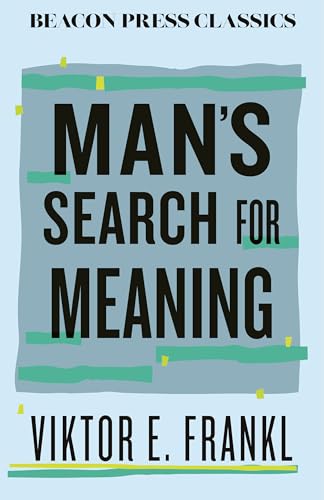
Viktor Frankl was a psychiatrist before he was a prisoner, which gives this book a unique, clinical-yet-deeply-human lens. He isn't just telling a survival story; he's conducting an experiment on the human soul under the most extreme conditions imaginable.
The book is split into two parts. The first is a memoir of his time in the camps, focusing not on the 'famous' horrors but on the daily psychological grind of the average prisoner. The second part explains Logotherapy, his theory that the primary drive in humans is not pleasure (Freud) or power (Adler), but the discovery and pursuit of what we personally find meaningful.
For a modern teenager, this is a powerful counter-narrative to the algorithmic 'scroll' that prioritizes cheap hits of dopamine. Frankl argues that meaning can be found in three things: work (creating something), love (connecting with another), and the attitude we take toward unavoidable suffering.
'He who has a why to live for can bear almost any how.'
This quote from Nietzsche is the heartbeat of the book. In a world where kids are often overwhelmed by the 'how'—how to get into college, how to look on social media, how to fit in—Frankl shifts the focus back to the 'why.' It’s a short read, but it’s the kind of book that sits on the shelf for decades because you keep coming back to it when life gets sideways.
The teen-sized edition: Man's Search for Meaning: Young Adult Edition is the official young readers adaptation of this book (ages 12–99) — same core ideas, shorter and gentler in the telling. The right handoff for a curious kid who isn't ready for the original.