Not just a "required reading" slog
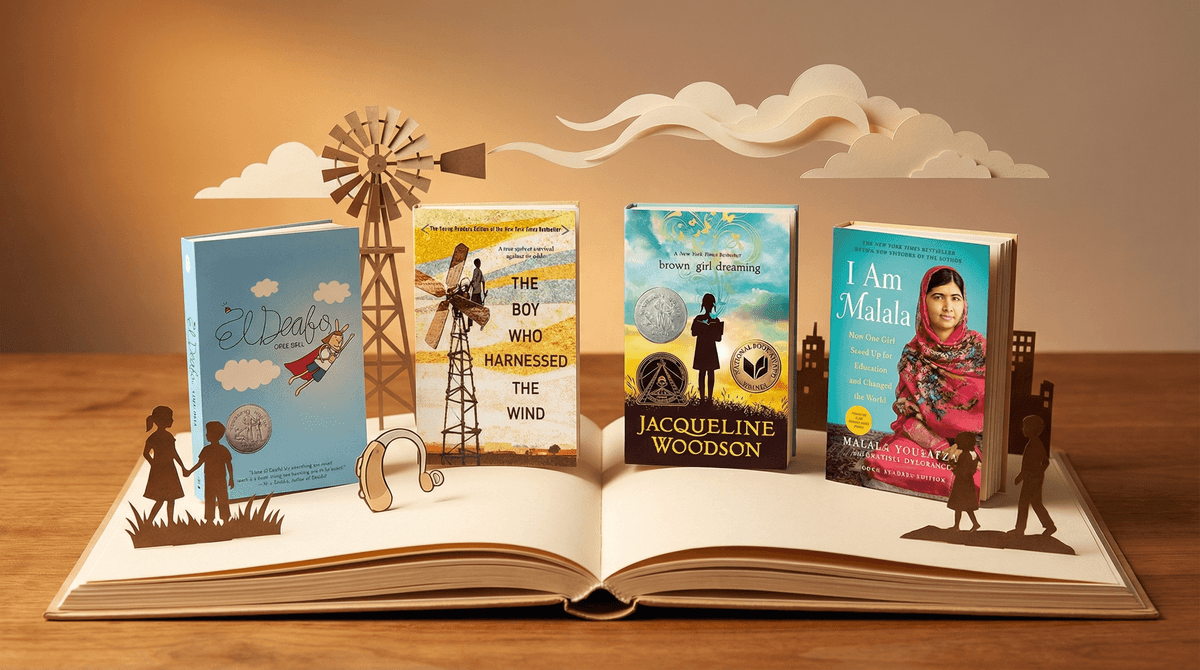
If you’re worried this is just "important" reading that will sit on a shelf gathering dust, you’re underestimating Malala’s voice. This isn’t a dry lecture on human rights or a sanitized hagiography. It’s a story about a girl who loved Ugly Betty, bickered with her brothers, and lived in a place where going to school became a revolutionary act. The writing is conversational and sharp, making the stakes feel personal rather than political. When the Taliban starts banning television and music, it doesn't feel like a history lesson; it feels like a home invasion.
The "Young Readers" trade-off
The original version of this memoir spends significant time on the granular political history of Pakistan. It’s fascinating but can be a heavy lift for a middle-schooler. This edition trims the geopolitical weeds and keeps the focus on Malala’s daily life and her family. You still get the gravity of the Taliban’s rise, but it’s told through the lens of how it changed her walk to class and the snacks she ate.
Critics and parents often point out that while the violence is handled with care, it isn't erased. The shooting on the bus is described, but the narrative moves quickly into her recovery and her global platform. It manages to be honest without being gratuitous. If your kid has already explored some of the best memoir books for young readers, they’ll find this fits right in with stories of resilience and authentic teenage voices.
The "if they liked X" move
If your kid was moved by The Diary of Anne Frank but wants something that feels more contemporary, this is the move. It bridges the gap between historical tragedy and modern activism. It’s also a great pivot for kids who are into "survival" stories. Unlike fictional survival kits, the "villain" here is a real-world ideology, which makes for much better dinner-table conversation.
With a 4.7 rating on Amazon, the consensus is clear: it’s a powerhouse. It works because Malala doesn't act like a martyr; she acts like a student who refused to be told "no." That’s a vibe most ten-year-olds already deeply understand.
How to use this well
Don't just hand this over and walk away. The book mentions things like "sharia law" and "blasphemy" in ways that might need a quick Wikipedia assist or a chat. It’s a perfect candidate for a "co-read" where you both take a chapter and talk about it. The exclusive photos in this edition help a lot—they ground the story in reality, showing Malala as a normal kid in a beautiful valley before everything changed. It turns a "world issue" into a human story.
The grown-up original: This is the official young readers adaptation of I Am Malala by Malala Yousafzai — Malala Yousafzai's own retelling, at a length and reading level a middle-schooler can finish. When they close this one and want more, the original is the natural next step.