

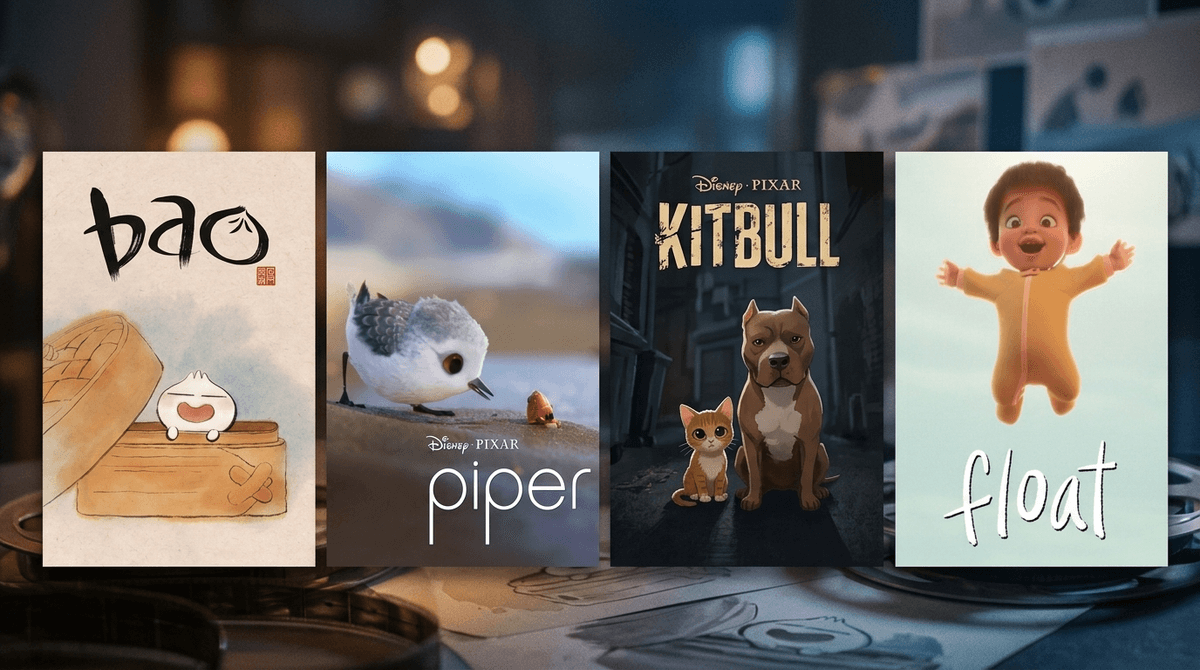
TL;DR: The Must-Watch List
If you only have 15 minutes before bedtime or a long car ride, these are the gold standards for Pixar shorts that actually offer something beyond "bright colors and loud noises."
- For Emotional Intelligence: Bao and Float
- For Pure Joy/Anxiety Relief: Piper
- For Tough Conversations (Older Kids): Kitbull and Wind
- For Laughs: For the Birds and Partysaurus Rex
Get a Pixar playlist based on your child's age
We’re all fighting the same battle: trying to keep our kids' brains from melting into a puddle of Skibidi Toilet memes and infinite YouTube scrolls. The "Ohio" energy of some modern kids' content—weird for the sake of being weird, loud for the sake of retention—is exhausting.
Pixar shorts are the literal antidote. They are masterclasses in storytelling that usually clock in under seven minutes. They don't need dialogue to make a point, which makes them perfect for building "media literacy" and emotional intelligence (EQ). When a kid can tell you why the dumpling in Bao is crying without anyone saying a word, that’s a win for their developing brain.
In recent years, Pixar launched the SparkShorts program. These are more experimental and often handle heavier themes like neurodivergence, toxic masculinity, and grief. They aren't all "fun," but they are all "worth it."
Ages 4+ This is a gorgeous metaphor for parenting a child who is "different." A father discovers his son can literally float, and his first instinct is to hide it from the neighbors to avoid judgment. It’s a gut-punch for parents and a great way to talk to kids about neurodivergence or just feeling like you don't fit the mold. Read our guide on media that features neurodivergent characters
Ages 7+ Warning: this one deals with animal abuse (off-screen but implied). It’s the story of an unlikely friendship between a stray kitten and an abused pit bull. It’s heartbreaking but ultimately hopeful. It’s a solid pick for teaching empathy toward animals and understanding that "scary" things (or people) are often just hurting.
Ages 6+ Pixar’s first short featuring a gay protagonist. It’s a magical-realism take on the anxiety of coming out to parents. Regardless of your family's personal stance, it’s a high-quality piece of storytelling about the fear of being honest with the people you love most.
Ages 10+ This one is set in a corporate office (B.R.O. Capital) and tackles "bro culture" and workplace inclusion. It’s a bit more "adult" in its themes—there’s even some mild language—but for a tween starting to navigate social hierarchies, it’s a brilliant conversation starter about staying true to yourself versus blending in.
These are the shorts that originally aired before the big theatrical releases like Toy Story or Finding Nemo.
Ages 2+ If you haven't seen this, stop reading and go to Disney+ right now. It is arguably the most beautiful animation Pixar has ever done. It’s about a sandpiper hatchling overcoming a fear of the water. It’s perfect for toddlers who are dealing with new anxieties.
Ages 5+ A Chinese mother suffering from "empty nest syndrome" gets a second chance at motherhood when one of her dumplings comes to life. It gets a little "weird" (she eats the dumpling to keep it from leaving), which can be confusing for literal-minded kids. But as a lesson in the complexity of parental love and letting go, it’s unmatched.
Ages 4+ A young boy goes to work with his father and grandfather, who have very different ideas about how things should be done. It’s a sweet look at intergenerational dynamics and finding your own way to contribute to a family tradition.
Sometimes you don't want a life lesson; you just want them to stop fighting for six minutes.
- Partysaurus Rex: Rex from Toy Story becomes a bath-time rave legend. It’s high energy and genuinely funny.
- The Blue Umbrella: A "city symphony" style short that makes everyday objects feel alive. Very calming.
- Forky Asks a Question: Technically a series of shorts, but if your kid is in that "Why? Why? Why?" phase, Forky is their spirit animal.
Check out our guide on the best short-form content for toddlers
While almost everything Pixar touches is "safe," the emotional weight varies wildly.
- Preschool (2-4): Stick to the visual-heavy, dialogue-free classics like Piper, For the Birds, and Luxo Jr.. Avoid the SparkShorts; the metaphors will go over their heads and they might just find the conflict upsetting.
- Elementary (5-9): This is the sweet spot for Bao, Float, and Loop (which features a non-verbal character with autism). They can start to unpack the "why" behind the characters' actions.
- Tweens (10+): Purl, Self, and Wind (a heavy metaphor for immigration and sacrifice) are great for this age. They’re starting to see the world as a complex place, and these shorts reflect that.
The beauty of a short is that you can watch it with them without committing to a two-hour ordeal. Use that time.
- "What was [Character] feeling when...?" Since many of these have no dialogue, kids have to read body language and facial expressions. This is the foundation of empathy.
- "Why did the dad hide the boy in Float?" This opens the door to talking about fear of judgment and the importance of being yourself.
- "Is it okay that the mom in Bao was sad when the dumpling grew up?" Talk about how parents have big feelings too.
Get more Pixar discussion prompts
In a world where 50% of kids under 12 are regularly consuming algorithm-driven content on YouTube or Roblox, intentionally choosing a Pixar short is a "quality over quantity" win.
They aren't "brain rot." They are mini-movies that respect your child's intelligence and your own sanity. Most of them are available on Disney+ under the "Shorts" or "SparkShorts" collections.
- Curate a Playlist: Create a "Shorts" profile on your streaming service so your kids can find these easily without stumbling into the weird depths of the Disney+ catalog.
- Watch One Together: Make it a "Short Sunday" where you watch one seven-minute movie and talk about it over breakfast.
- Explore More: If your kids love these, check out our guide on Oscar-nominated animated shorts for even more high-quality options.