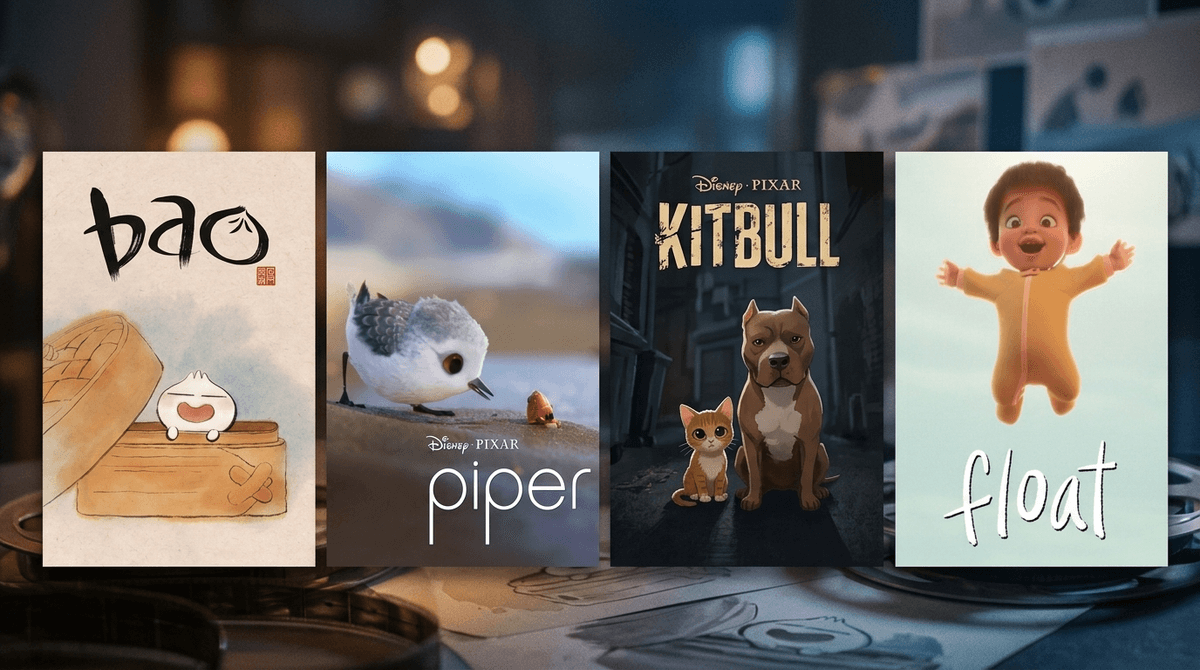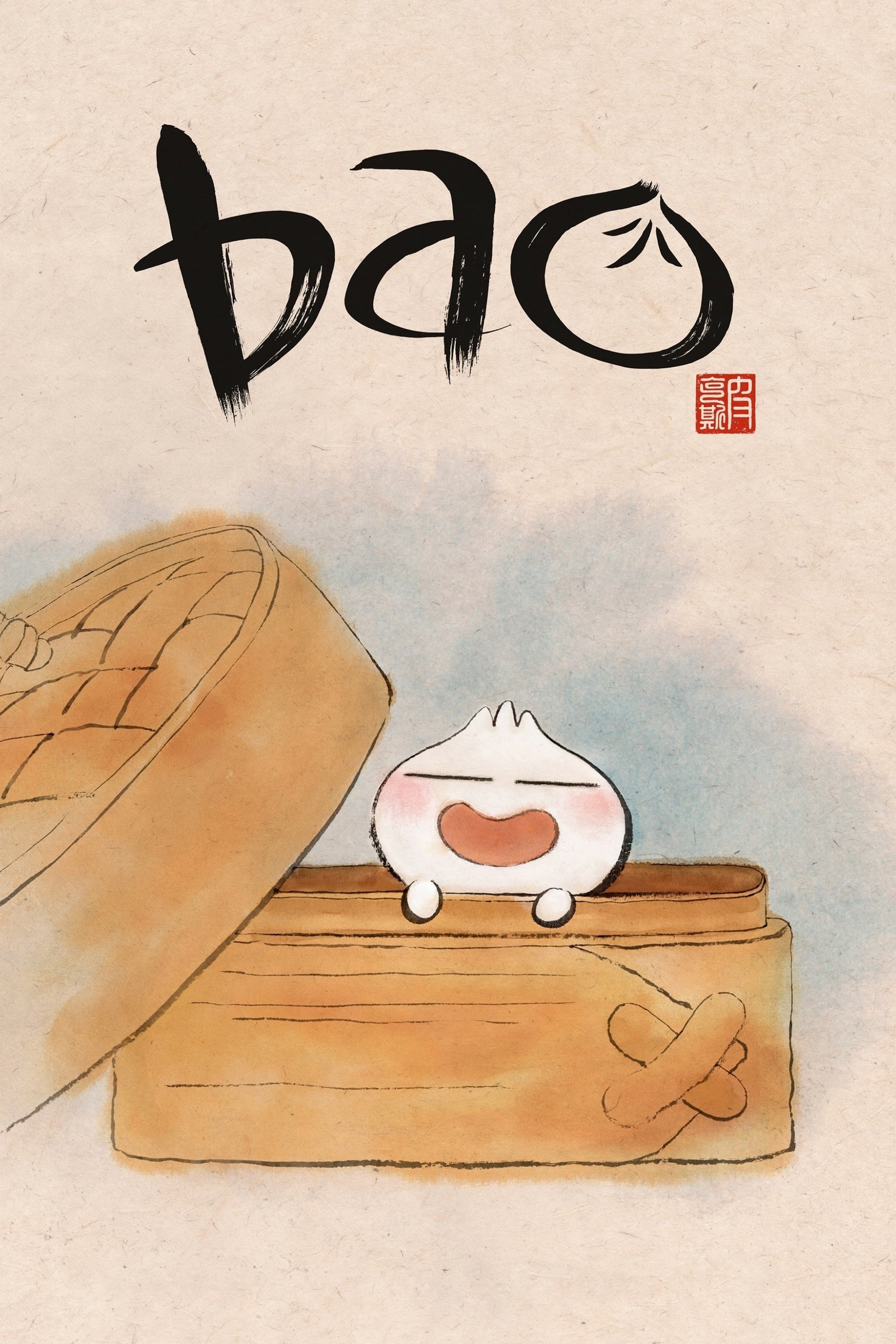

Bao

Bao

movie

G, 2018, Animation, Family

WISE
79%

WISE Score

88

Avg. Tomatometer

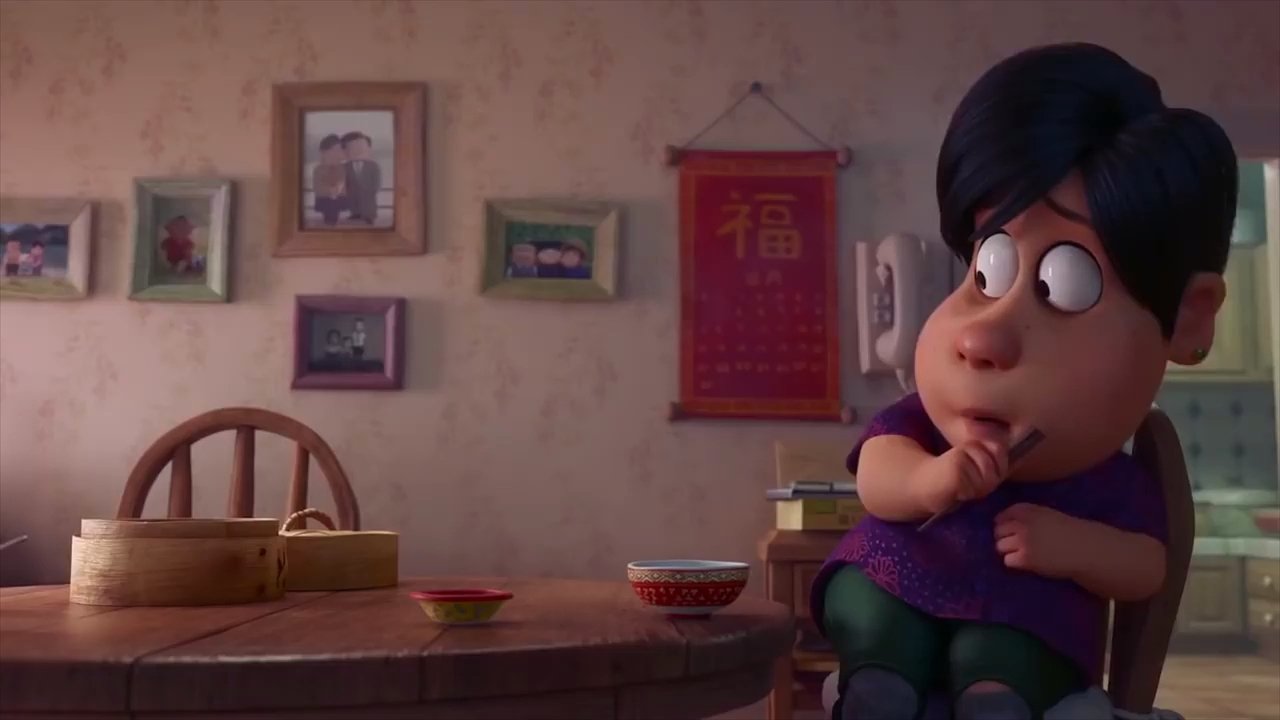
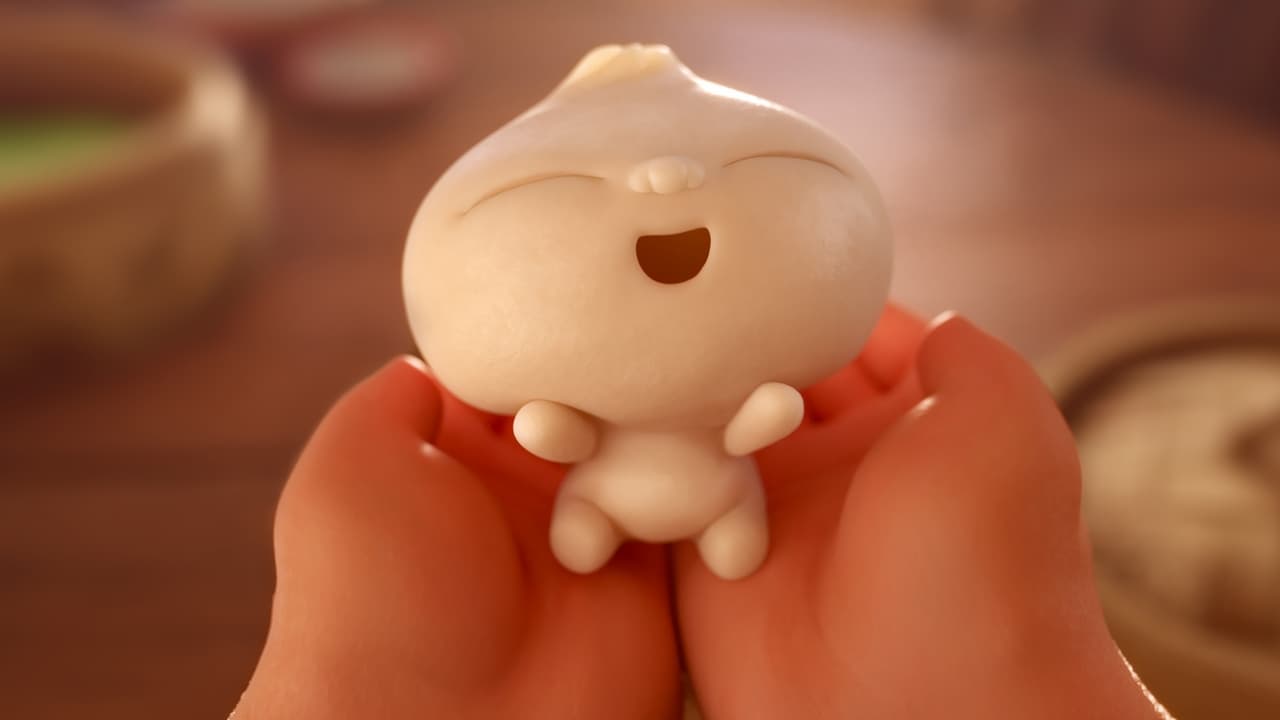
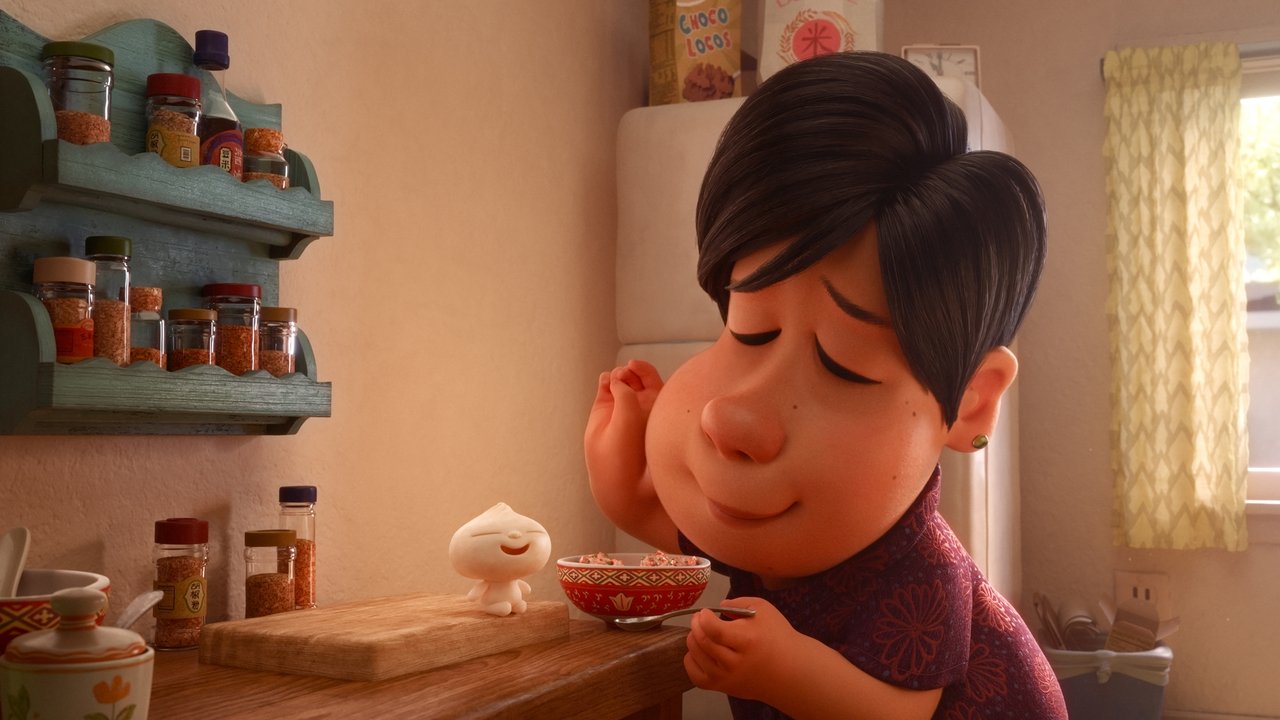
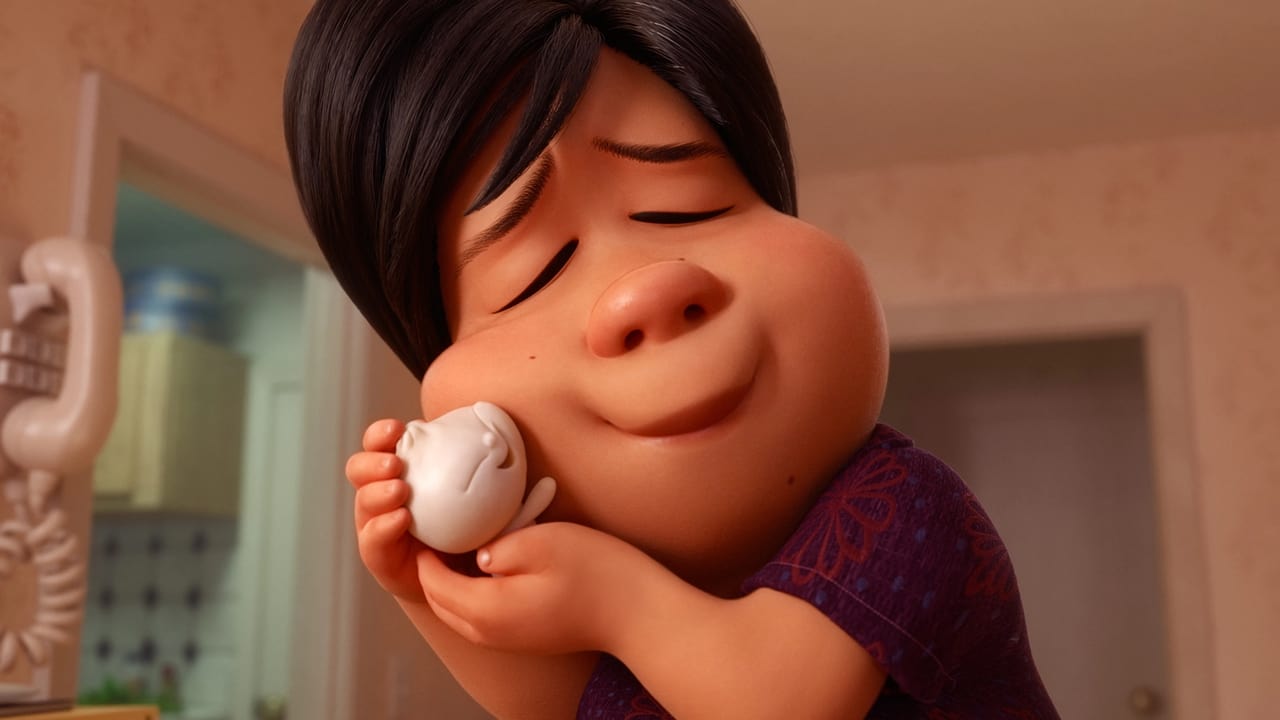
A Chinese mom's dumpling comes to life—then things get emotionally complicated (and briefly shocking) in this Pixar short about letting go.

IMDb7.5
RT Critics88%
TMDB7.6
Common Sense Media
Where to Watch
Loading streaming options...
Screenwise Verdict

Bao is one of Pixar's most emotionally daring shorts—gorgeous, culturally rich, and deeply felt. It's also kind of a lot for a pre-movie snack.

The dumpling-as-child metaphor is brilliant for older kids and adults, but that moment where the mom eats her dumpling son? It hits like a truck, even when you understand it's about fear and control. Younger viewers may just see a mom eating her kid, which is... not great without context.

That said, if your family can handle a brief moment of "wait, WHAT?" followed by a tender reconciliation, this is a beautiful entry point for conversations about cultural identity, overprotective parenting, and the bittersweet reality of kids growing up. It's especially meaningful for immigrant families navigating generational divides.

Just maybe watch it first before throwing it on for your sensitive 5-year-old.
Age Fit

Best for ages 7-12 who can handle emotionally complex metaphors and won't be traumatized by the shocking dumpling-eating moment. Teens might appreciate it for its cultural depth, but younger kids need parental framing.

WISE Breakdown
Wholesome
82

This Pixar short models mother-child love, explores letting go with gentleness, and handles empty nest syndrome with emotional maturity. The tone is tender and contemplative, though the central metaphor (eating the dumpling child) can feel startling. Pacing is deliberate and calm, appropriate for thoughtful family viewing.

Imaginative
88

Beautifully original premise—a dumpling coming to life as a child—blends Chinese cultural touchstones with magical realism in a way rarely seen in mainstream animation. The visual storytelling is inventive and wordless, inviting kids to interpret emotions and symbols. It's contemplative rather than action-driven, which rewards curious viewers.

Safe
65

No violence, gore, or inappropriate content for kids, but the climactic moment—where the mother eats her dumpling son in desperation—is genuinely shocking and can be disturbing for younger or sensitive viewers. The metaphor is eventually explained (it's about overprotection and fear of loss), but that visual lands hard. It's Pixar, so it's crafted carefully, but it's not a breezy watch.

Enriching
86

Deeply enriching for families navigating themes of cultural identity, parental attachment, and growing up. The short opens conversations about immigrant experiences, generational differences, and the bittersweet nature of independence. It's emotionally sophisticated and offers real insight into mother-child dynamics, especially in Chinese-Canadian contexts. High empathy-building potential.

Parent Info

Why It Might Be Great

  • Stunning representation of Chinese-Canadian culture and immigrant family dynamics, rarely centered in mainstream animation
  • Wordless storytelling builds visual literacy and invites kids to interpret emotions without dialogue
  • Opens rich conversations about overprotective parenting, independence, and the pain of children growing up
  • Beautifully animated with food as love language—every frame feels warm and intentional
  • At 8 minutes, it's a bite-sized emotional workout that won't overstay its welcome

What to Watch For

  • The climactic scene where the mother eats her dumpling child is metaphorical but genuinely startling—younger kids may find it confusing or upsetting
  • Themes of empty nest syndrome and parental grief are sophisticated; kids under 7 may not grasp the emotional nuance
  • Culturally specific references (steamed buns, family expectations) might need context for some families

Conversation Starters

  • "Why do you think the mom wanted to keep the dumpling from growing up and leaving?"
  • "Have you ever felt like someone was being too protective of you? How did that feel?"
  • "What do you think the dumpling represents in the story? Why does it turn into a real person at the end?"
  • "How do you think the mom felt when her son started making his own choices?"
Stills
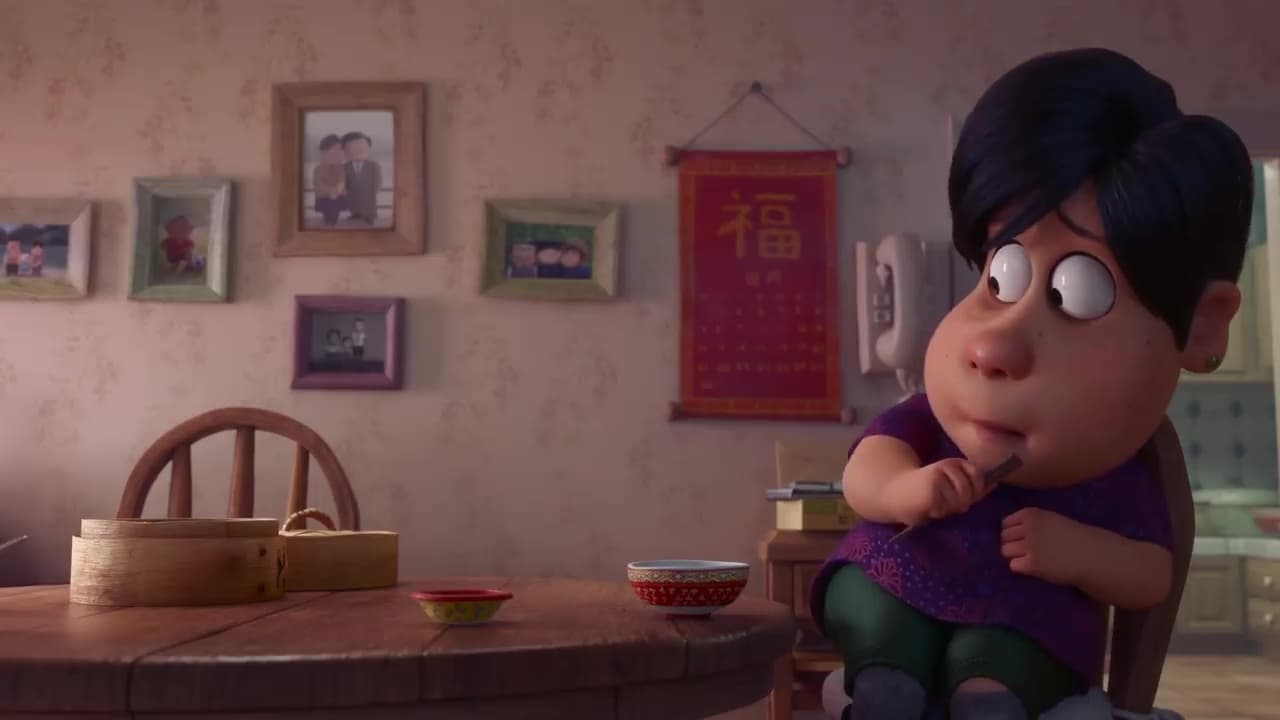
Bao — still 1
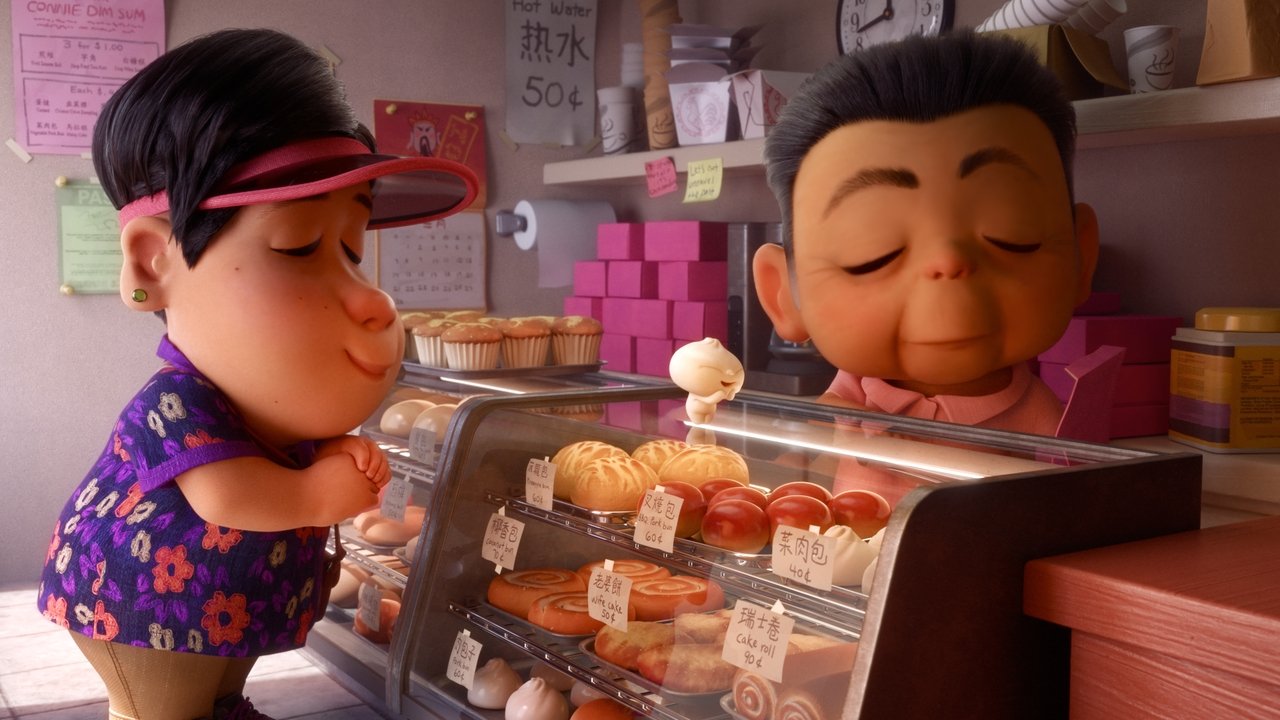
Bao — still 2
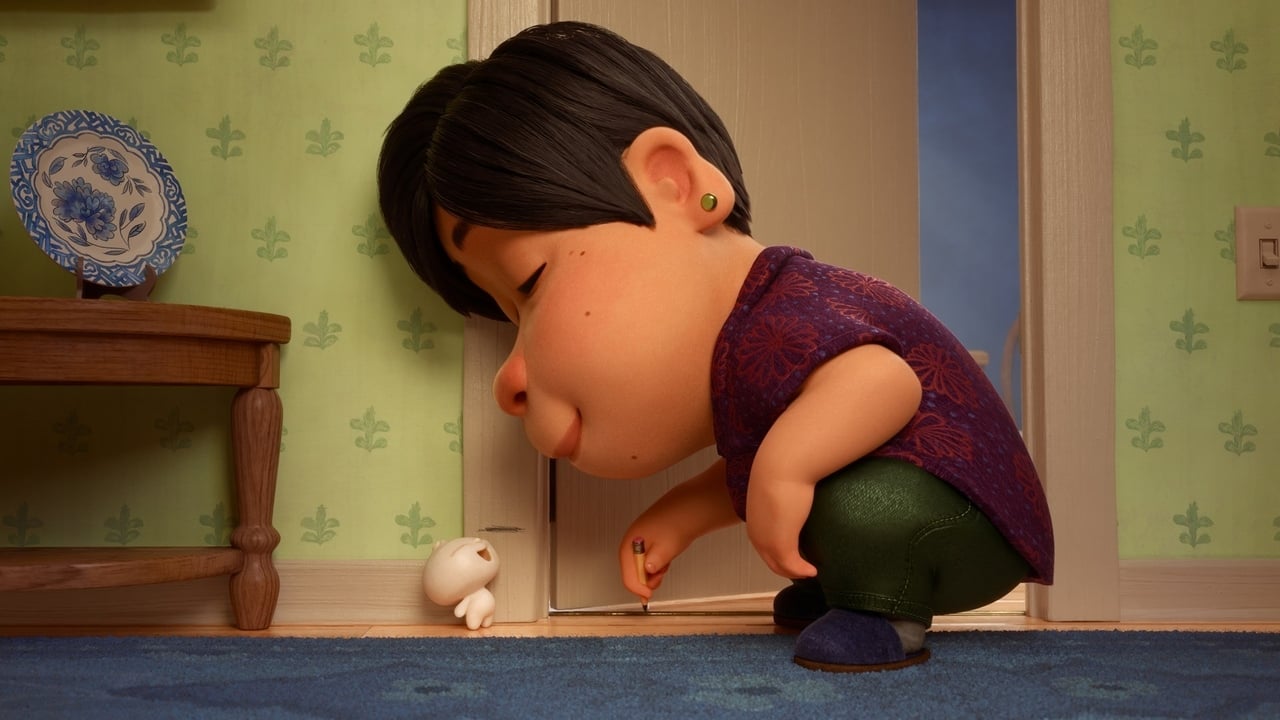
Bao — still 3
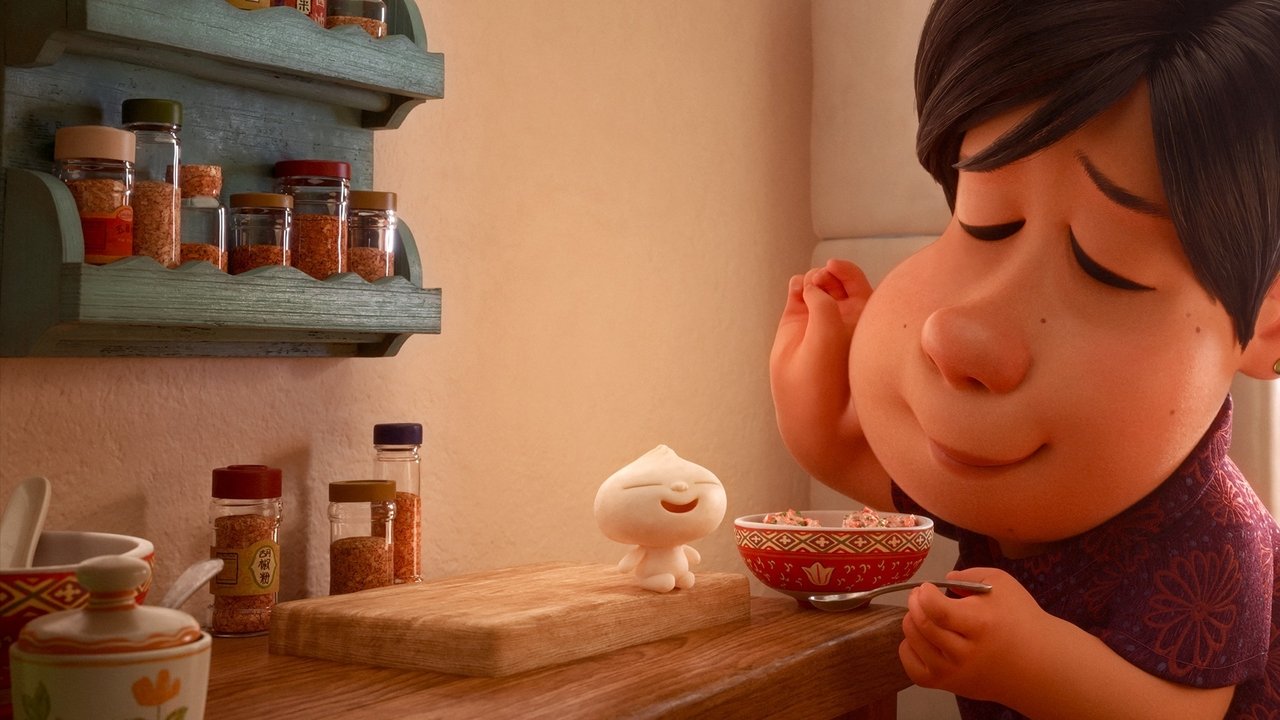
Bao — still 4
Bao — still 5
Bao — still 6
Bao — still 7
Bao — still 8

Ask Anything

Get a personalized guide on any topic

Related Guides