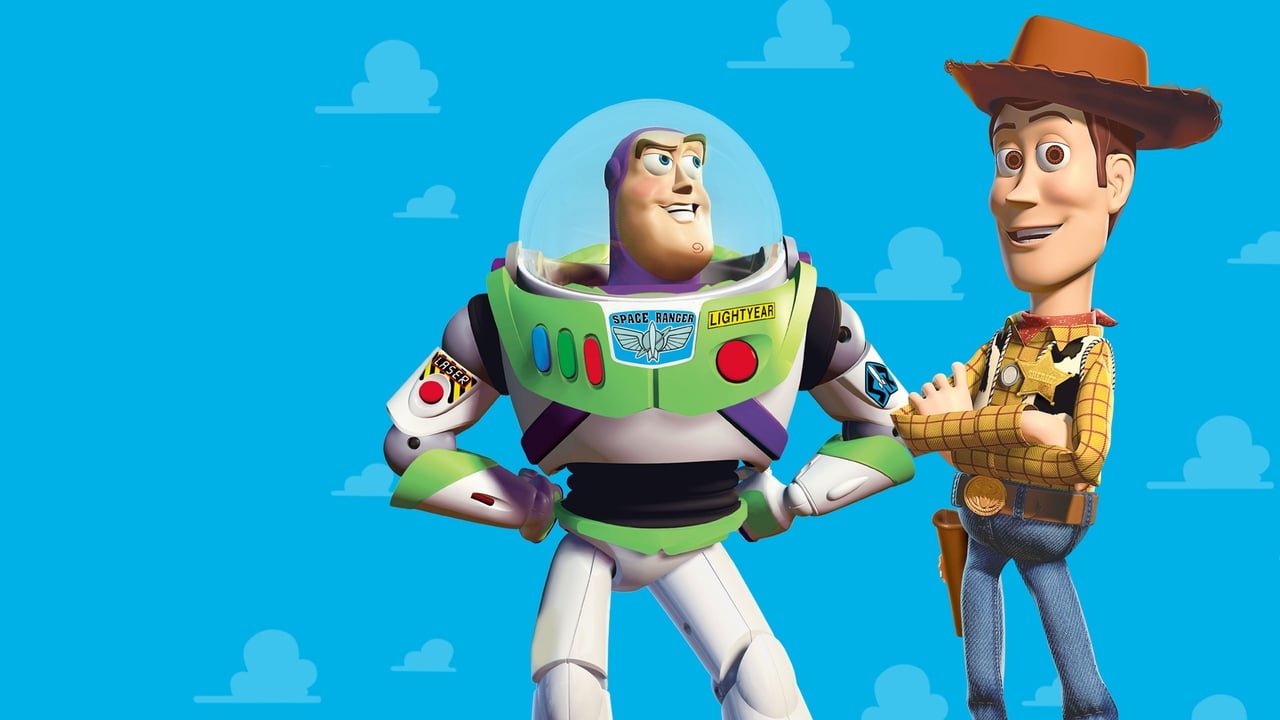
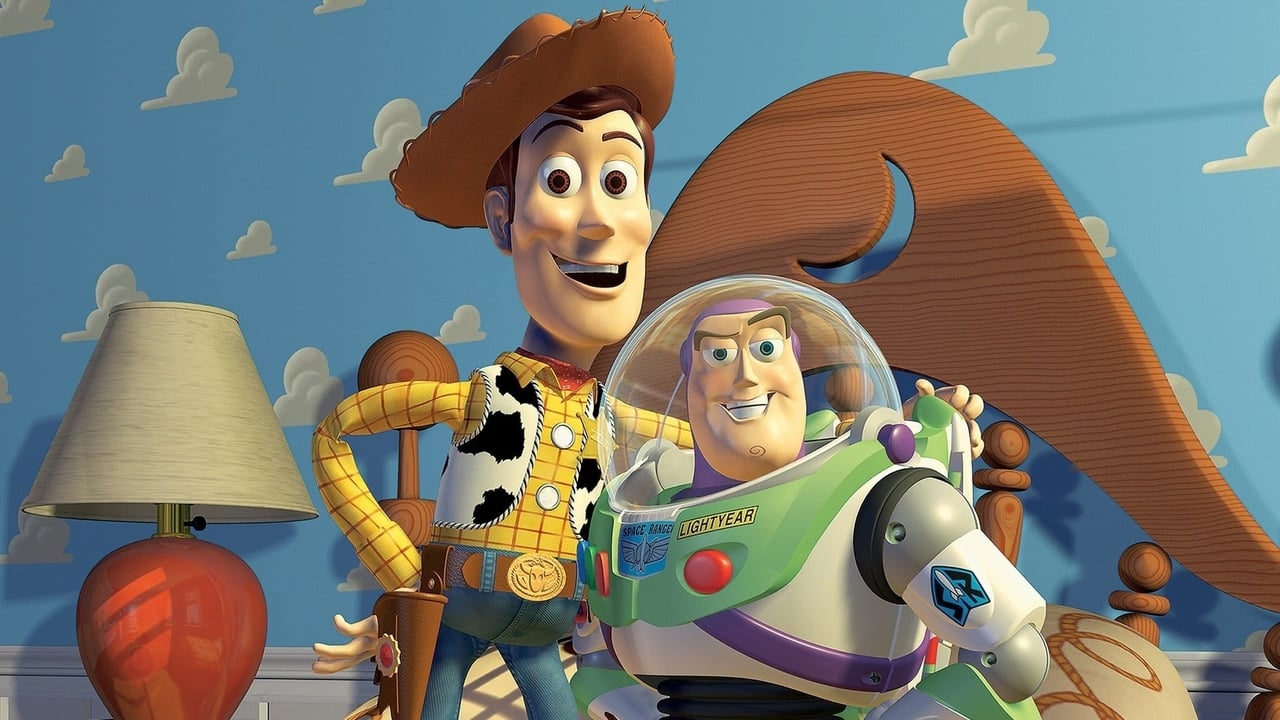
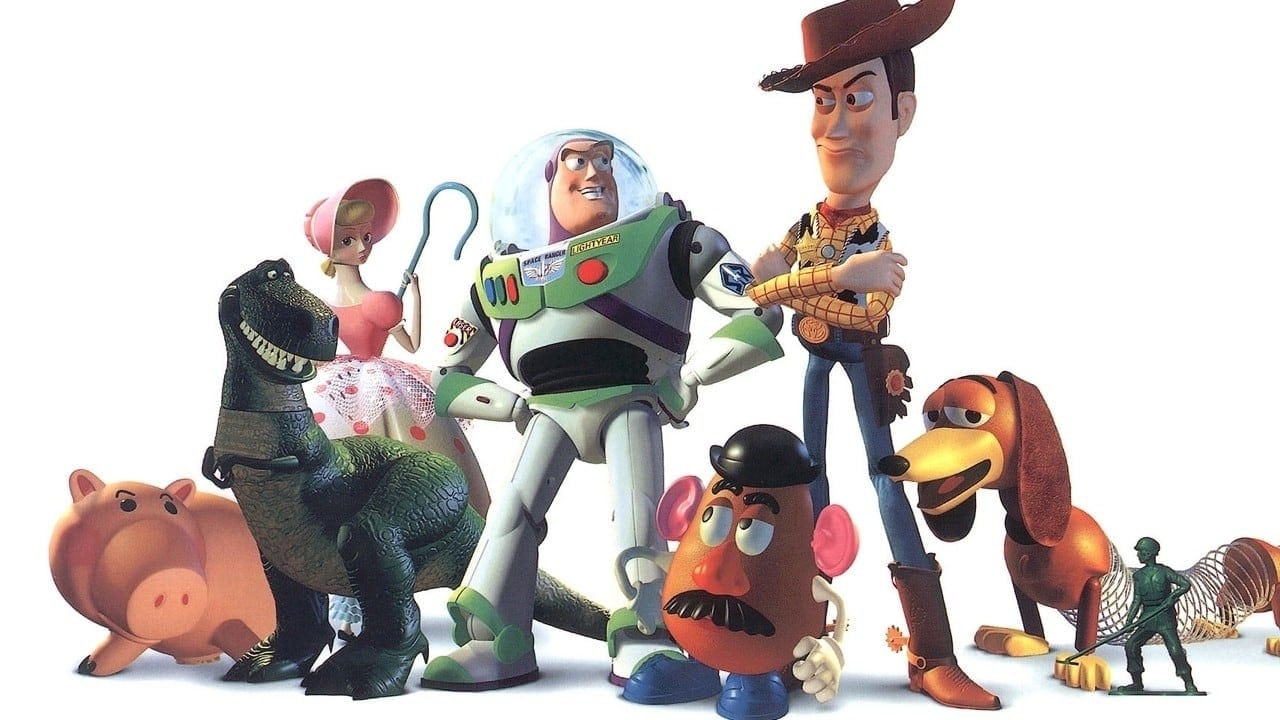
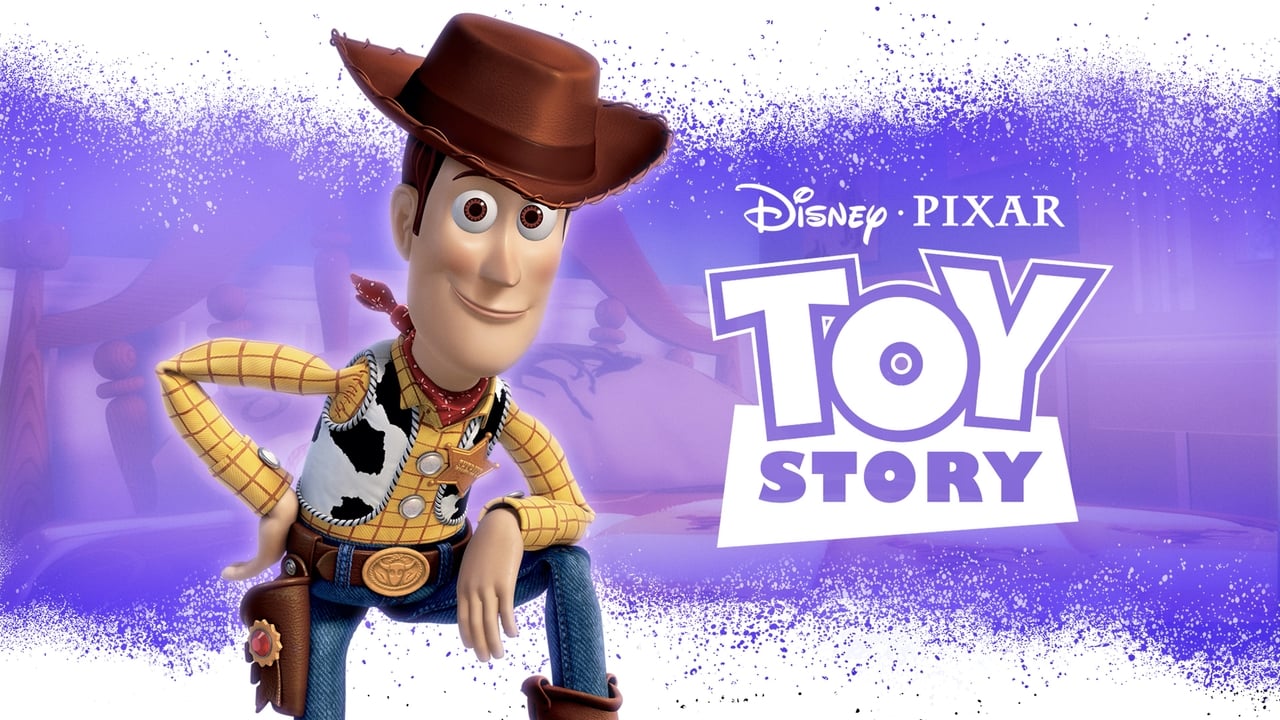
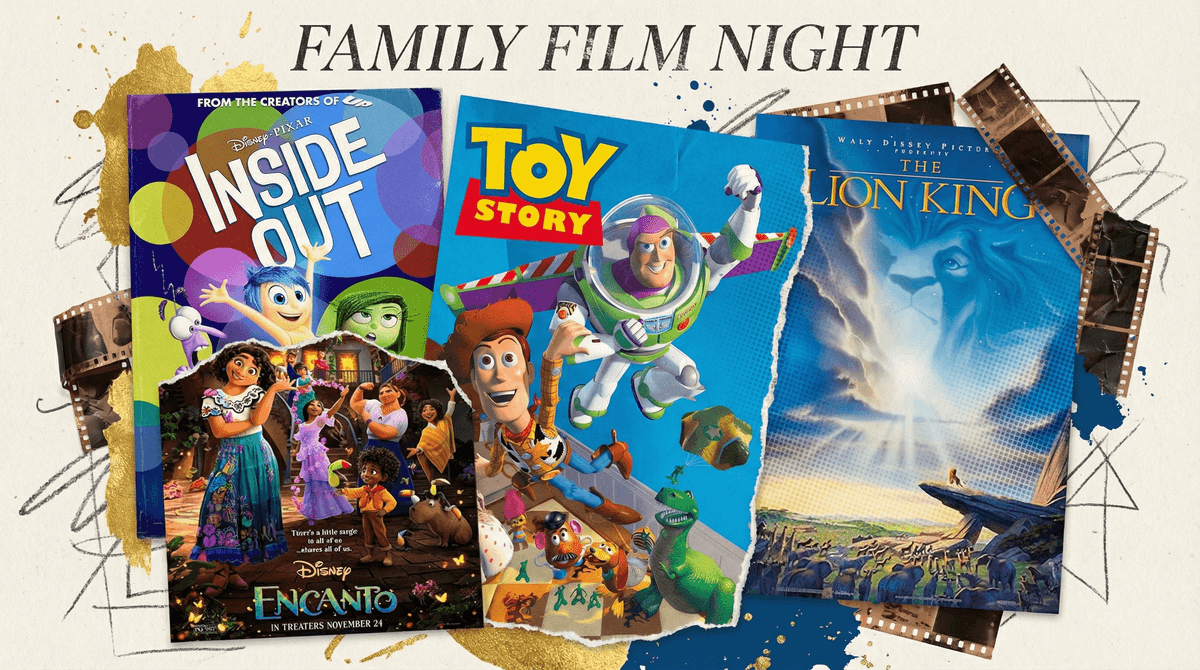
While modern animation has reached a level of photorealism that makes every strand of fur or drop of water look tactile, there is something about the 1995 aesthetic of Toy Story that just works. Because the characters are literally made of plastic, the slightly "smooth" look of early CGI doesn't feel like a limitation; it feels like the point. If you’re introducing this to a kid who is used to the hyper-detailed world of 2026 releases, they might notice the background humans look a little stiff, but the toys themselves remain the gold standard for character design.
The "buddy comedy" that actually has stakes
Most modern "friendship" movies for kids lean heavily on characters being nice to each other from the jump. Toy Story takes a riskier, better path. Woody is, for a significant portion of the film, kind of a jerk. He’s motivated by ego, status, and the very adult fear of being replaced by a younger, shinier version of himself.
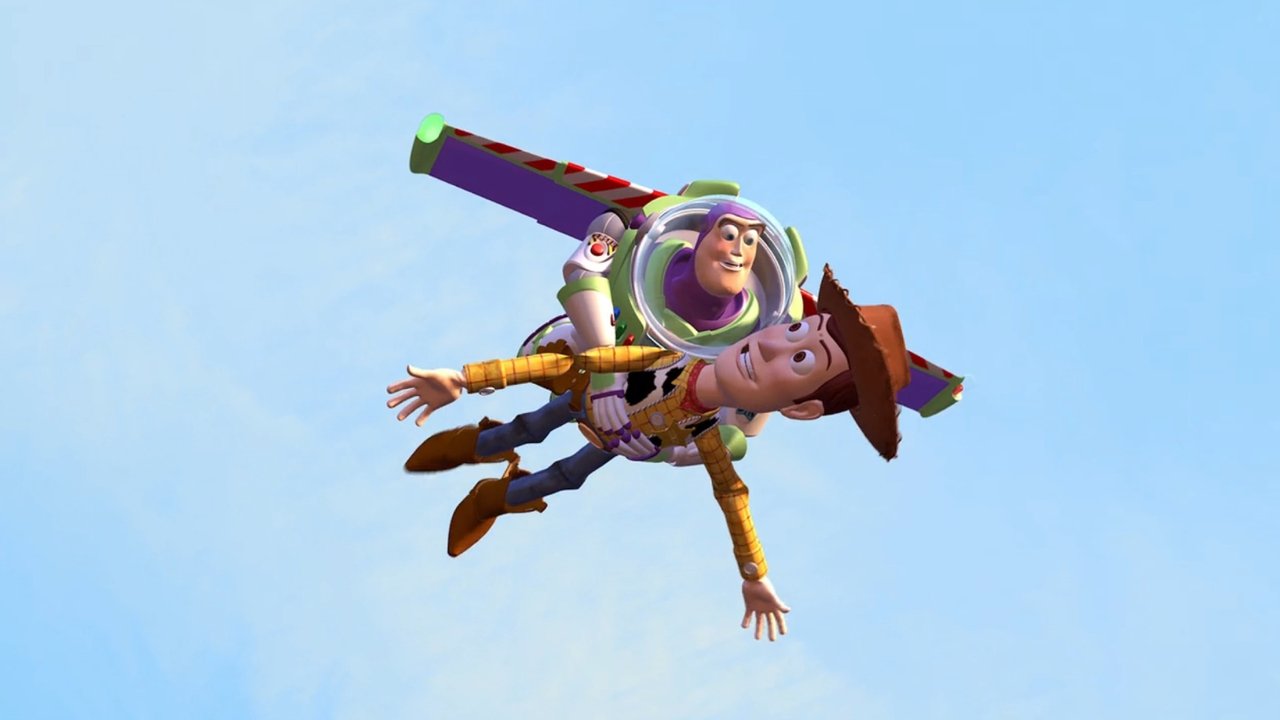
This makes the eventual payoff much stronger. When we look at movies about friendship, we often prioritize stories where the bond is tested by external forces. Here, the friction is internal. Watching Woody and Buzz navigate their mutual dislike is a great way to show kids that you don’t have to like someone immediately to eventually respect and trust them. It’s a grounded take on social dynamics wrapped in a movie about a plastic space ranger who thinks he can actually fly.
Why 81 minutes is the magic number
We’ve grown accustomed to family "epics" that push the two-hour mark. Toy Story is a masterclass in economy. At just 81 minutes, it moves with a frantic, purposeful energy that respects a kid’s attention span without being overstimulating. There isn't a single "filler" scene. Every moment—from the reconnaissance mission with the green army men to the high-speed chase with the moving truck—serves the plot or the character arcs.
If you are rewinding to the 90s, you’ll find that many films from that era haven't aged well in terms of pacing. This one is the exception. It’s the perfect "first movie" for a kid who is just starting to move beyond short-form content but isn't quite ready for a three-act saga.
The existential "Buzz" of it all
While kids are focused on the "The Claw" and the rocket ship, the scene where Buzz Lightyear finally realizes he is, in fact, just a toy is one of the most profound moments in animation history. It’s a heavy concept—discovering your entire identity is a lie—but the movie handles it with a perfect blend of pathos and humor (the "Mrs. Nesbitt" tea party scene is still a top-tier comedic beat).
If your family is working through the definitive Pixar movie ranking, pay attention to how this film sets the tone for the studio's entire philosophy: take a big, scary emotion, give it to a colorful character, and make it relatable. It’s why the movie has a 100% critic score on Rotten Tomatoes three decades later; it treats its audience—and its toys—with genuine respect.