Why Pixar's 9-minute short lands so effectively
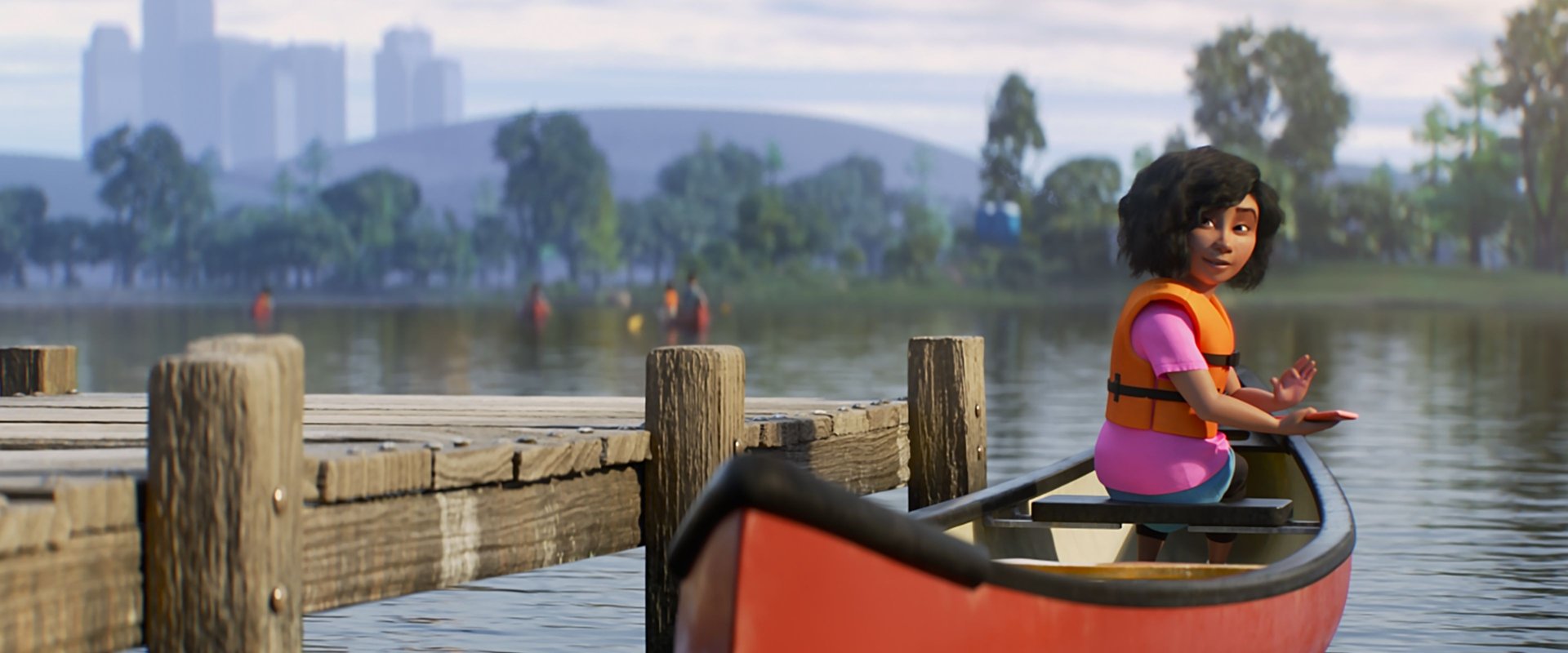
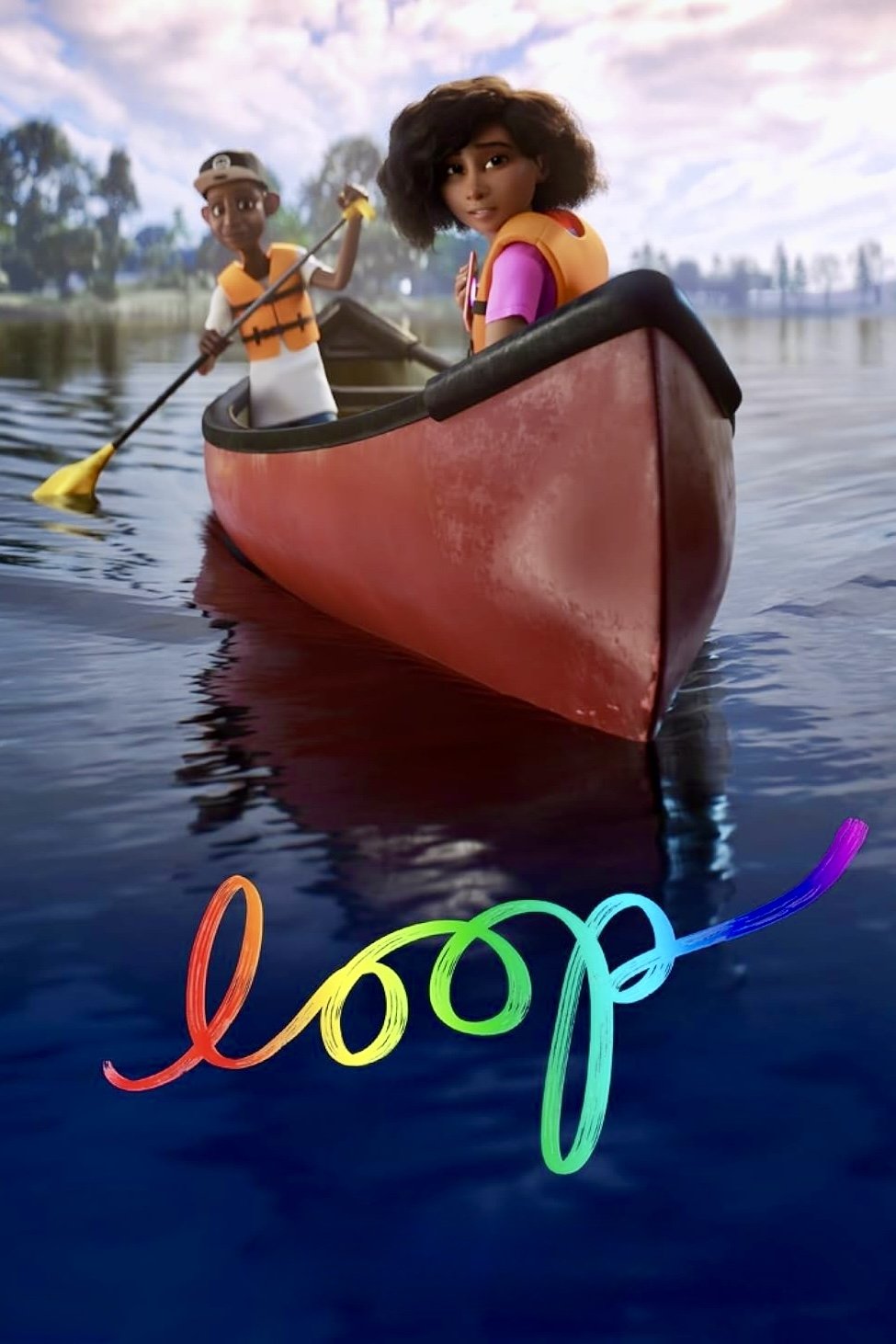
Media about neurodiversity often slips into tropes: either turning a non-verbal character into an inspirational device or framing their sensory needs as a heavy burden for everyone else in the frame. Loop avoids both by staying grounded in a single, concrete setting—a two-person canoe on an urban park lake.
Director Erica Milsom consulted with the Autistic Self Advocacy Network and cast Madison Bandy, a non-verbal autistic teenager, to perform Renee's vocalizations. That detail anchors the short. When Renee taps her phone to loop a specific ringtone or glides through tall grass to feel the reeds brush her fingers, the sound mix pulls the audience into her sensory baseline. You understand why she wants to stay in that rhythm, and you feel the jarring shift when Marcus tries to speed things up.
The short skips lecturing kids on how to act around neurodivergent peers; it simply models what happens when you slow down and pay attention to someone else's perspective.
How to watch it with your kid
The central tension happens under a concrete bridge when Marcus shouts to hear an echo. The reverberation triggers a sensory overload for Renee, who row-paddles frantically to shore and hides under the flipped canoe.
Marcus's response offers a great template for kids: he doesn't panic, lecture her, or demand she get back in the boat. He sits on the dock, gives her physical space, and waits until she reaches out on her terms. For kids learning to interact with neurodivergent classmates, Loop offers a simple, actionable takeaway: non-verbal does not mean non-communicative, and sitting quietly nearby is often the best support you can offer.