A gritty departure for Pixar
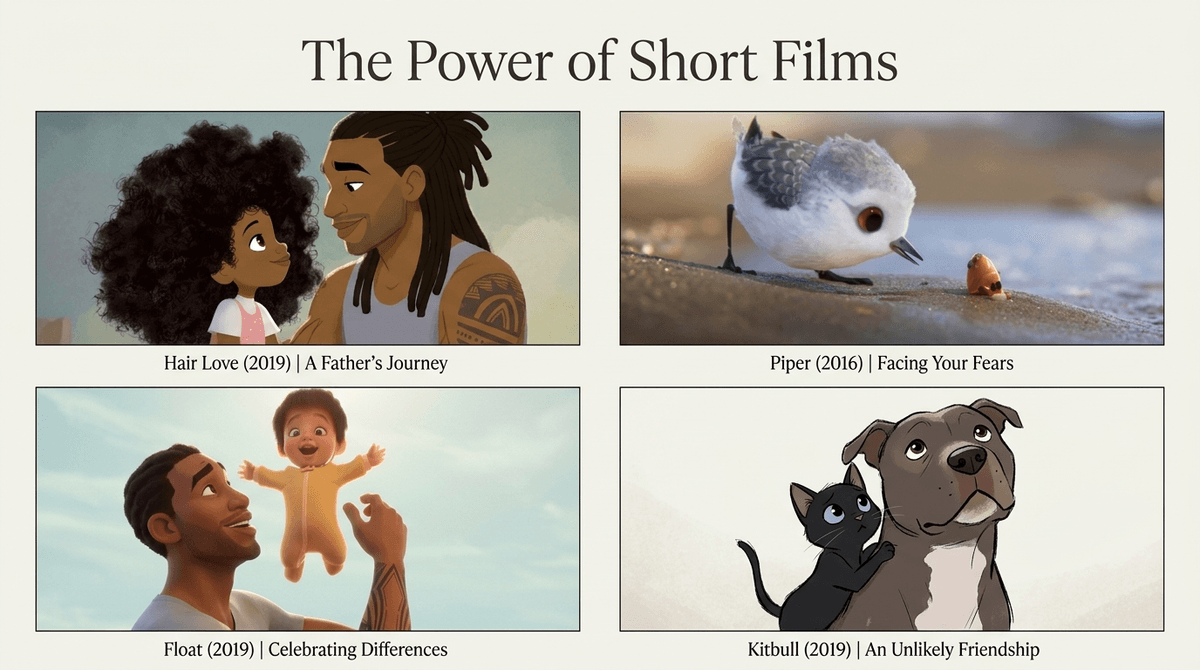
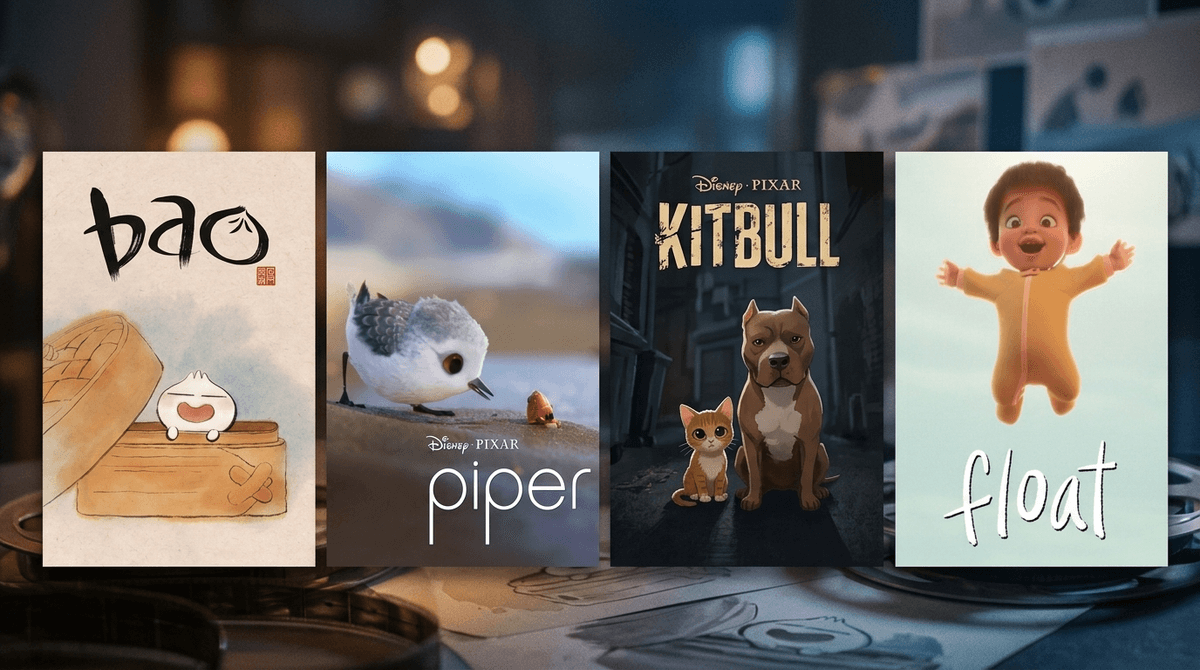
Most of us expect Pixar to look like a polished, 3D-rendered toy box. Kitbull goes the opposite direction. It’s part of the SparkShorts program, where creators get limited time and budget to make something personal. The result is a hand-drawn, 2D aesthetic that feels like a living sketchbook. This "lo-fi" look isn't just a stylistic choice; it makes the story feel raw and immediate. It’s less "corporate masterpiece" and more "indie passion project," which is exactly why it hits so hard.
The pit bull in the room
If you’ve spent any time on the internet, you know the discourse around pit bulls is a minefield. This film doesn't shy away from that. It leans directly into the stereotype of the "scary dog" only to dismantle it through the eyes of a terrified stray kitten.
The story focuses on how environment shapes behavior. We see the pit bull being forced into a life of aggression by a negligent owner, and the moments of connection with the kitten are what bring out its true nature. It’s a sophisticated way to talk to kids about prejudice and how we shouldn't judge a book—or a breed—by its cover. If your kid is an animal lover, this will likely become their favorite short, but it will also spark a lot of questions about why some people are "mean" to pets.
Navigating the dark side of SparkShorts
While many Pixar shorts are parenting gold because they offer a quick laugh before a feature film, Kitbull is a different beast. It carries a PG rating for a reason. There is a specific scene involving the pit bull being thrown out of a house after a fight, covered in injuries, that is genuinely distressing. It’s not "Disney-sad" like a parent disappearing in the first five minutes; it’s "real-world sad."
Because there is no dialogue, you can't rely on a narrator to soften the blow or explain the context. You have to read the characters' body language. This makes it one of those short films that pack an emotional punch by forcing the viewer to sit with the discomfort. It’s a 9-minute masterclass in empathy, but it requires you to be in the room. Don't let this be background noise while you're in the other room making school lunches.
Why the "happily ever after" works
The ending isn't just a cheap pivot to a smile. It’s a story about rescue and the way trauma can be healed through friendship. The final sequence is a relief, but it’s a hard-earned one. It provides a perfect bridge to talk about animal shelters, adoption, and the responsibility of owning a pet.
If your family has a rescue animal with a "history," Kitbull will feel incredibly personal. It’s a rare piece of media that treats animals not as talking caricatures, but as sentient beings with their own complex emotional lives. It’s heavy, yes, but the payoff is a level of emotional catharsis that most full-length features can't pull off.