The "Everything App" for your local 10-year-old
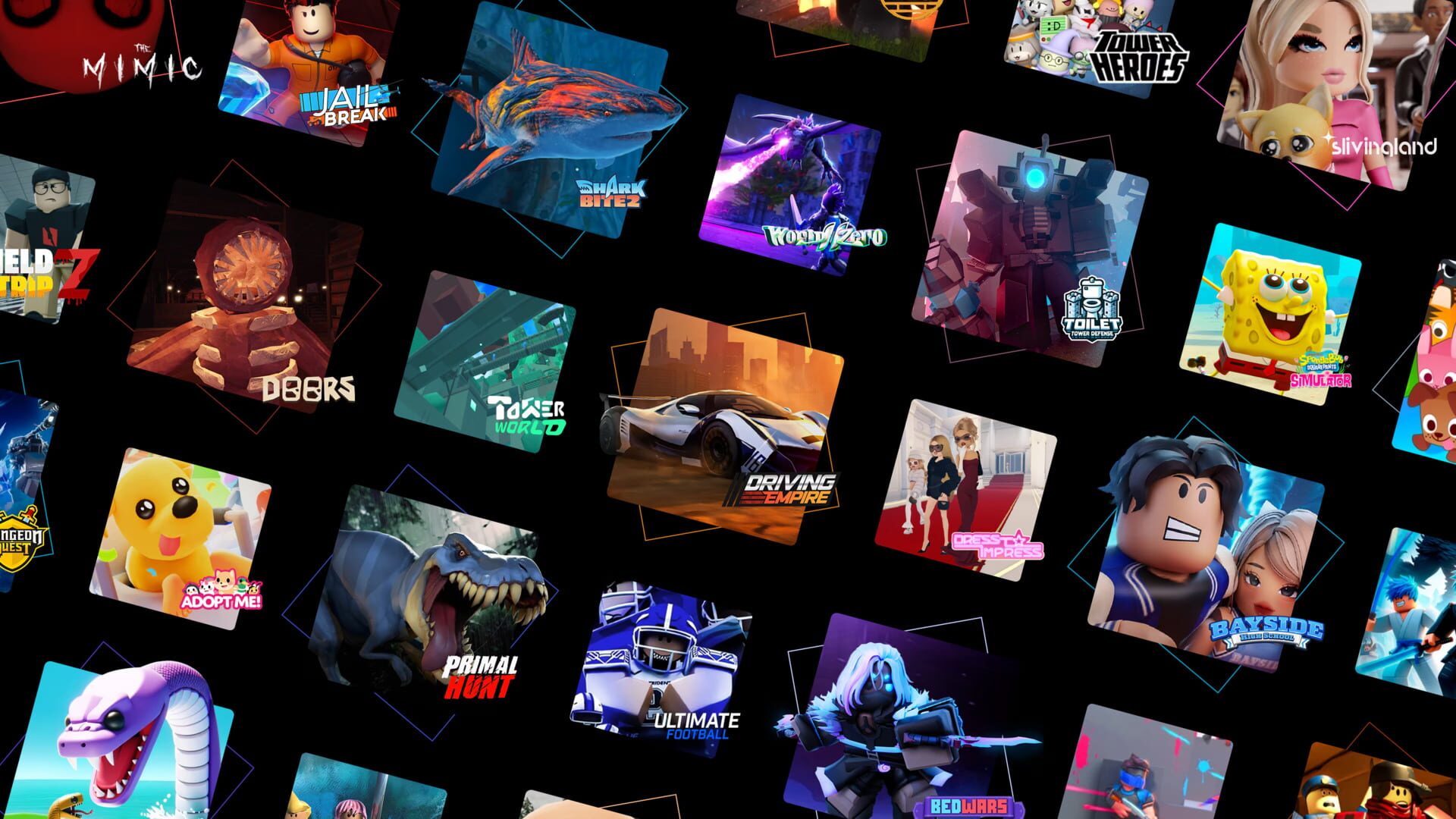
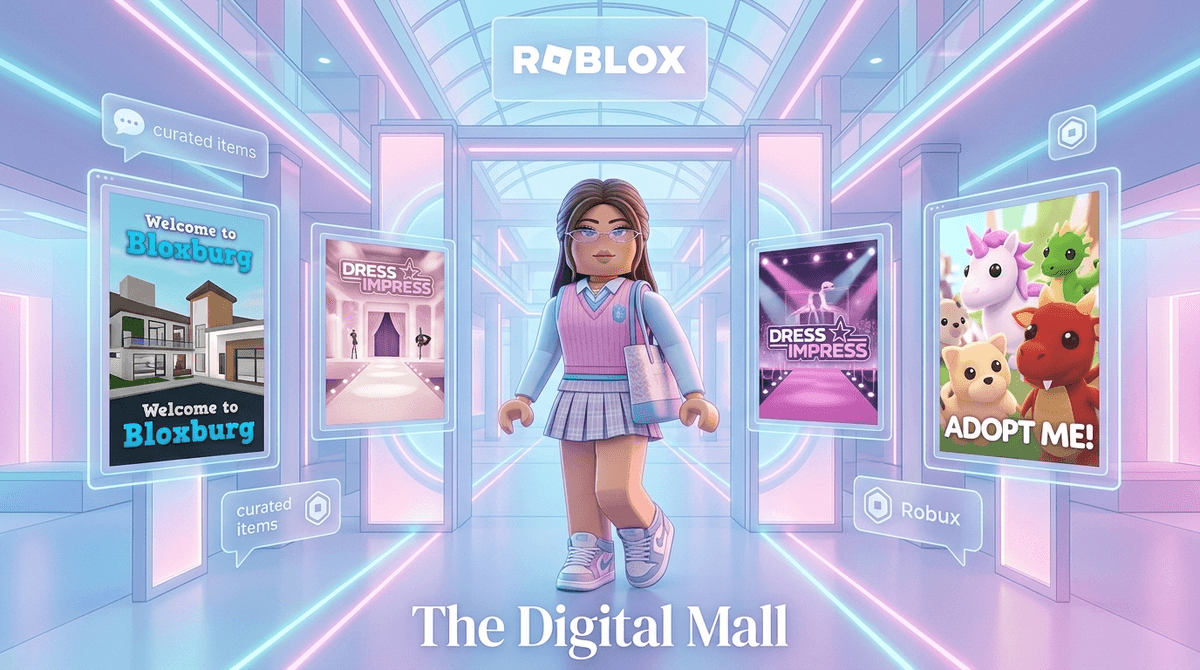
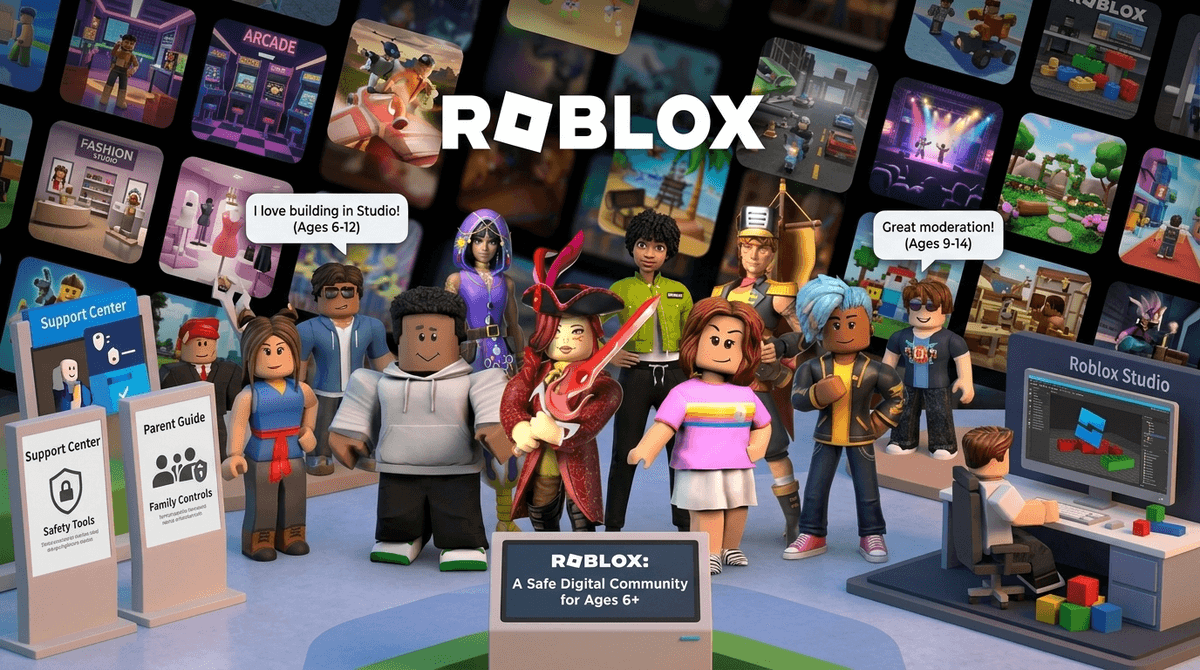
To a parent, Roblox looks like a single app with some blocky graphics. To a kid, it’s a portal to a million different planets. You aren't just "playing a game" here; you’re entering a social ecosystem that functions more like a digital mall than a traditional video game. One minute they’re in a high-intensity obstacle course (an "Obby"), and the next they’re roleplaying as a pizza delivery driver or a dragon.
The sheer variety is why it’s so hard to turn off. In a traditional game, there’s a natural stopping point—a level ends or you hit a save point. In Roblox, the "Next" button is always a click away, and your kid’s friends are likely hopping from one experience to another in a pack. If you’re struggling with the constant "just five more minutes" refrain, you’re likely dealing with the platform’s compulsive loop of social discovery.
The social tax of the "Bacon Hair"
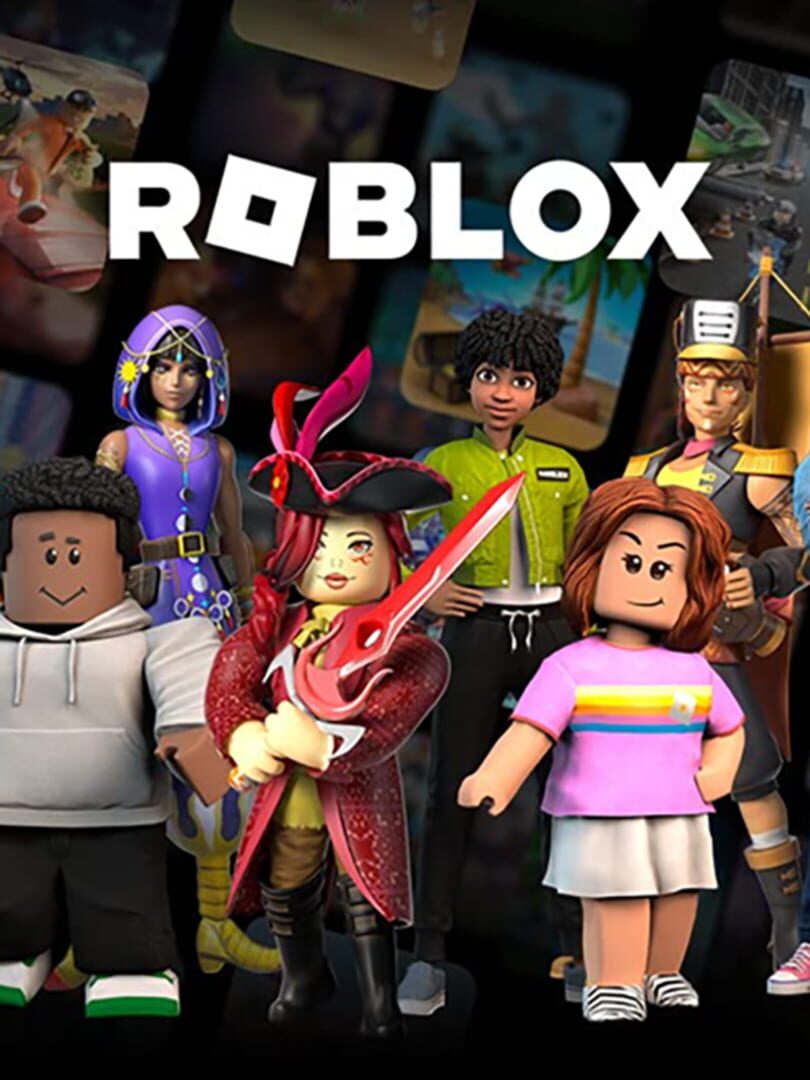
The biggest friction point for parents isn't usually the gameplay; it's the status. Roblox has a very specific social hierarchy based on how your avatar looks. If your kid is walking around with the default "Bacon Hair" (the free, wavy brown hair piece), they might get teased or ignored by other players.
This is where the pressure for Robux comes from. It’s not just about buying a faster car; it’s about buying the digital clothes that signal you belong. Before you hand over the credit card, it’s worth decoding your kid’s virtual economy to understand why a "limited edition" hat feels like a life-or-death social requirement to a middle-schooler. If they’re obsessed with specific games like Adopt Me, the pressure doubles because of the trading culture, which can feel like a stock market for 8-year-olds.
Moving from consumer to creator
If your kid is just grinding for pets or skins, Roblox can feel like a hollow time-sink. But there is a massive pivot available: Roblox Studio. This is the professional-grade tool used to build the games everyone else is playing. It uses a real coding language called Lua.
If you have a kid who loves Minecraft or Lego, the move is to challenge them to build their own Obby or storefront. This is how you turn screen time into creativity. Most of the "creators" on the platform are just teenagers who got curious about how the physics worked. Once a kid starts thinking about how a game is made, they tend to become much more critical (and less addicted) to the cheap tricks other games use to keep them playing.
The Discord leap
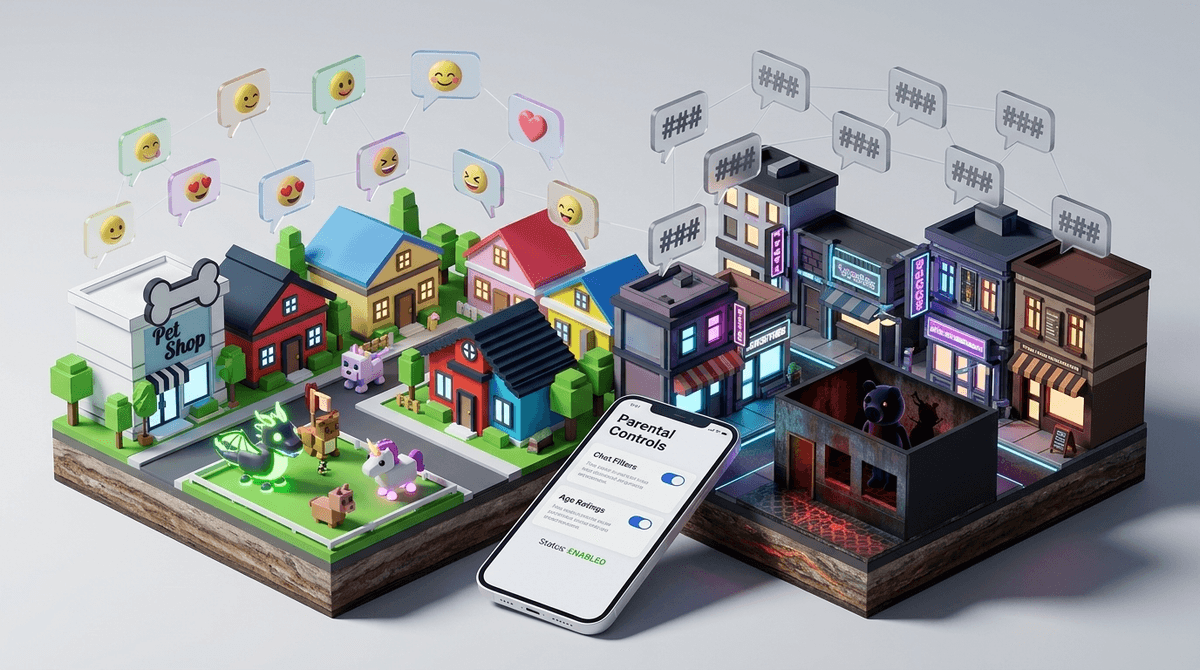
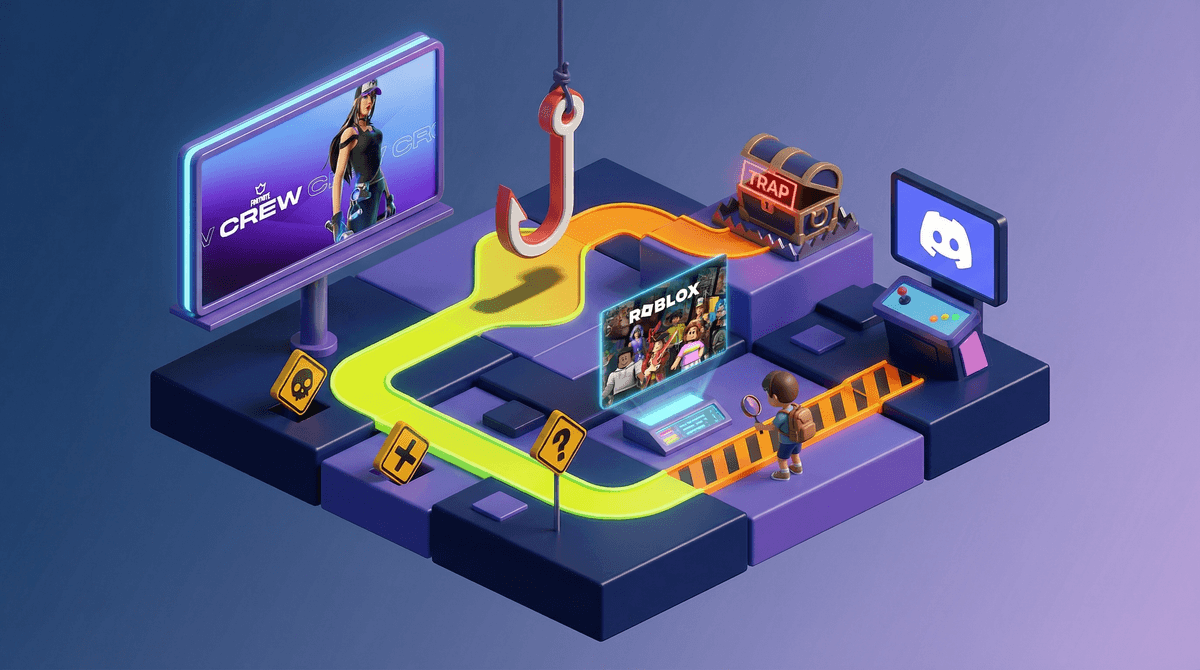
One specific moment to watch for: when your kid says they want to join a "clan" or a "group" that requires them to move the conversation to Discord. Roblox’s in-game chat is heavily filtered, but the community often migrates to unmoderated spaces to coordinate. This Roblox-to-Discord pipeline is where the real safety risks live. Keep the social interaction inside the Roblox app as long as possible, and treat any request to "chat on another app" as a major milestone that requires a serious conversation about digital boundaries.
Is it better than the alternatives?
If your kid likes the building aspect of Roblox, they’ll probably find Minecraft more rewarding and less "salesy." If they like the competitive social aspect, Fortnite offers a more polished (though equally spendy) experience. Roblox wins on breadth. There is literally no other place where a kid can go from a fashion show to a military simulator in thirty seconds. Just be prepared to be the "manager" of this digital life, because the platform itself isn't going to do it for you.