

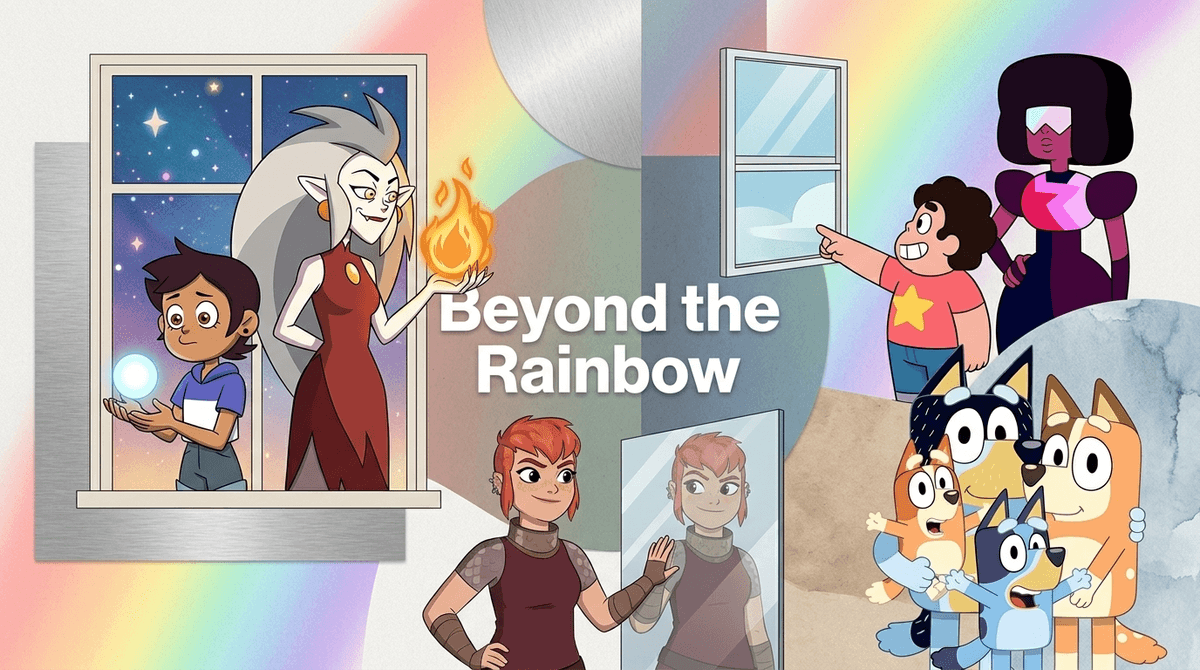
TL;DR: Representation is no longer a "special episode" event; it’s baked into the DNA of modern kids' media. From the casual inclusion of same-sex parents in Bluey to the complex identity arcs in The Owl House, your kids are seeing LGBTQ+ characters whether you’ve had "the talk" or not. Our top picks for high-quality, age-appropriate representation include Nimona for teens and The Dragon Prince for middle-graders.
Whether you’re a "rainbow-flag-on-the-porch" family or a "let’s-keep-it-traditional" household, the reality is that the digital world your kids inhabit is diverse. By the time kids reach middle school, our data shows that over 60% of them are engaging with media that features at least one LGBTQ+ character.
In 2026, this isn't just about "diversity quotas." It’s about mirrors and windows. For some kids, these characters are mirrors—they see themselves reflected and feel less alone. For others, they are windows—a way to understand that the world is bigger than their immediate social circle.
The goal of this guide isn't to tell you what to believe, but to give you the context to navigate these shows and movies so you aren't blindsided when your eight-year-old asks why two princesses are getting married in their favorite Netflix show.
Get a list of shows based on your kid's age
Not all representation is created equal. Some shows do it beautifully, making it a natural part of the story, while others feel like they’re checking a box. Here’s what’s actually worth the screen time.
Ages 5-8: Casual Inclusion
At this age, kids don't need a lecture on gender theory. They just need to see that different types of families exist.
- Bluey: You already love it, but did you notice the blink-and-you’ll-miss-it mentions of diverse family structures? It’s handled with the same "no big deal" energy as everything else in the show.
- Chip and Potato: This Netflix series features a family with two dads. It’s sweet, simple, and focuses on the universal struggles of starting school.
- Prince & Knight by Daniel Haack: A lovely picture book that flips the traditional fairy tale script. It’s high-quality storytelling that happens to have a gay romance at its center.
Ages 9-12: Identity and Adventure
Middle-grade media is where things get more intentional. Characters start grappling with who they are, which mirrors what’s happening in your kid’s actual middle school hallways.
- The Owl House: This is the gold standard. Luz Noceda is a bisexual protagonist, and her relationship with Amity is one of the most well-developed "first loves" in animation history. It’s spooky, funny, and deeply human.
- Steven Universe: This show basically paved the way for modern representation. It uses "Gems" to explore gender fluidity and non-traditional relationships in a way that is colorful, musical, and often heartbreakingly beautiful.
- The Dragon Prince: A high-fantasy epic on Netflix that features several LGBTQ+ characters in leadership roles. It’s great for kids who want Lord of the Rings vibes with modern sensibilities.
Ages 13+: Deep Dives and Nuance
For teens, the media gets more direct about the challenges and joys of being LGBTQ+.
- Heartstopper: If your teen hasn't seen this, they've definitely heard of it. It’s a "gentle" teen drama—meaning it avoids the "euphoria-style" grit—and focuses on the sweet, awkward reality of high school crushes.
- Nimona: A chaotic, high-energy movie about a shapeshifter. It’s a powerful metaphor for being "different" and not fitting into the boxes society creates. Also, it’s just a flat-out great action movie.
- The Sims 4: While not a "story" in the traditional sense, The Sims is where many teens experiment with identity in a safe, sandbox environment. It’s basically the ultimate digital dollhouse.
Check out our guide on why teens love The Sims 4
I’m going to be real with you: some of this media is just bad. Sometimes a studio will throw in a "first gay character" who has two seconds of screen time just to get a headline. It feels cheap because it is.
If a show features a character whose entire personality is just "being the gay friend," it’s probably not great writing. We generally recommend sticking to stories where the characters are three-dimensional—where they have hobbies, flaws, and adventures that have nothing to do with their orientation.
For example, Strange World was a bit of a box-office flop. While the representation was fine, the story itself was... kind of a slog. Compare that to The Mitchells vs. the Machines, which is a masterpiece of family dynamics where the daughter's identity is just one small (but important) part of who she is.
You don’t need a PhD in gender studies to talk to your kids about this. In fact, the more casual you are, the better.
For the Littles (Ages 3-6)
Keep it concrete. If they ask why a character has two moms, just say, "Some families have a mom and a dad, some have two moms, and some have one parent. Every family is different!" They’ll usually just say "Okay" and go back to their goldfish crackers.
For the Middles (Ages 7-12)
This is the age of "fairness." They are very attuned to who is being left out. You can talk about how it’s important for everyone to see characters who look like them or love like their family members. If they see a character come out, use it as a prompt: "How do you think [Character Name] was feeling before they told their friends?"
For the Teens (Ages 13+)
At this stage, they likely know more than you do (or think they do). Your job is to be a sounding board. Ask them what they think about the representation in the shows they watch. Is it realistic? Is it annoying? Teens love to critique media, and this is a great way to understand their own developing values.
Learn more about how to talk to your teen about digital identity
In the Screenwise community, we see a wide range of approaches. Some parents actively seek out this content to ensure their kids grow up with a broad worldview. Others prefer to vet every show to ensure it aligns with their specific family values.
Regardless of where you land, it’s helpful to know that YouTube and TikTok are the Wild West here. While Disney+ and Netflix have ratings and clear content descriptions, a "Gacha Life" video on YouTube might feature intense LGBTQ+ themes that aren't age-appropriate for a seven-year-old, despite the "cartoon" thumbnail.
If your kid is into Roblox, they will encounter pride flags, inclusive avatars, and "hangout" spaces. This is a social platform, so the representation is user-generated. It’s worth a quick check-in to see what kind of communities they are joining.
LGBTQ+ characters are part of the modern media landscape. They aren't "hidden" anymore; they are the protagonists, the sidekicks, and the heroes.
You don't have to have all the answers. You just have to be willing to watch with them occasionally. When you see a character that sparks a question, don't panic. Use it as a moment to reinforce your family’s values—whether those are values of inclusion, kindness, or simply critical thinking about the stories we consume.
- Check the Wise Scores: Before starting a new series, look up the Wise Score for shows like Dead End: Paranormal Park to see how other parents in the community have rated the content.
- Watch Together: Pick a movie like The Mitchells vs. the Machines for your next family movie night. It’s a great entry point for talking about identity within a broader, hilarious story.
- Update Your Filters: If you have specific boundaries, make sure your Netflix Parental Controls are set to the appropriate maturity rating.
Get a "cheat sheet" on LGBTQ+ terms your kids might be using