The Owl House

The Owl House

show

TV-Y7-FV, 2020, Animation, Sci-Fi & Fantasy

WISE
83%

WISE Score

100

Avg. Tomatometer

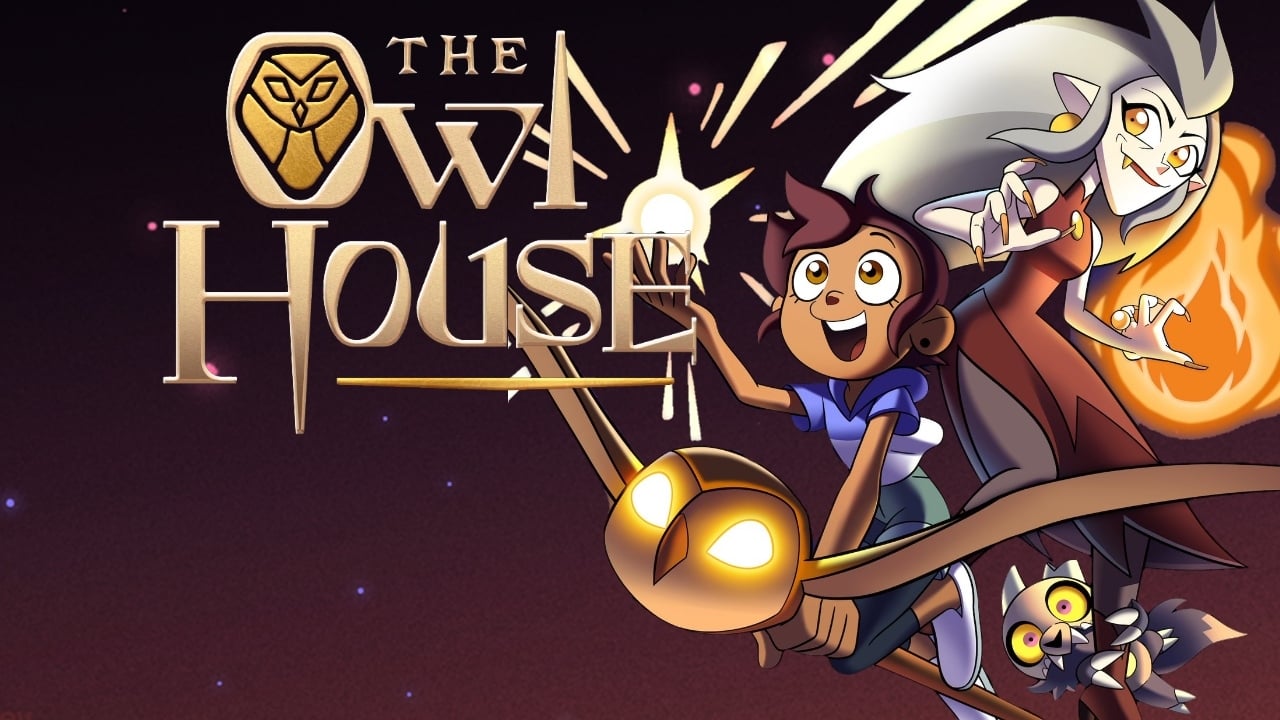
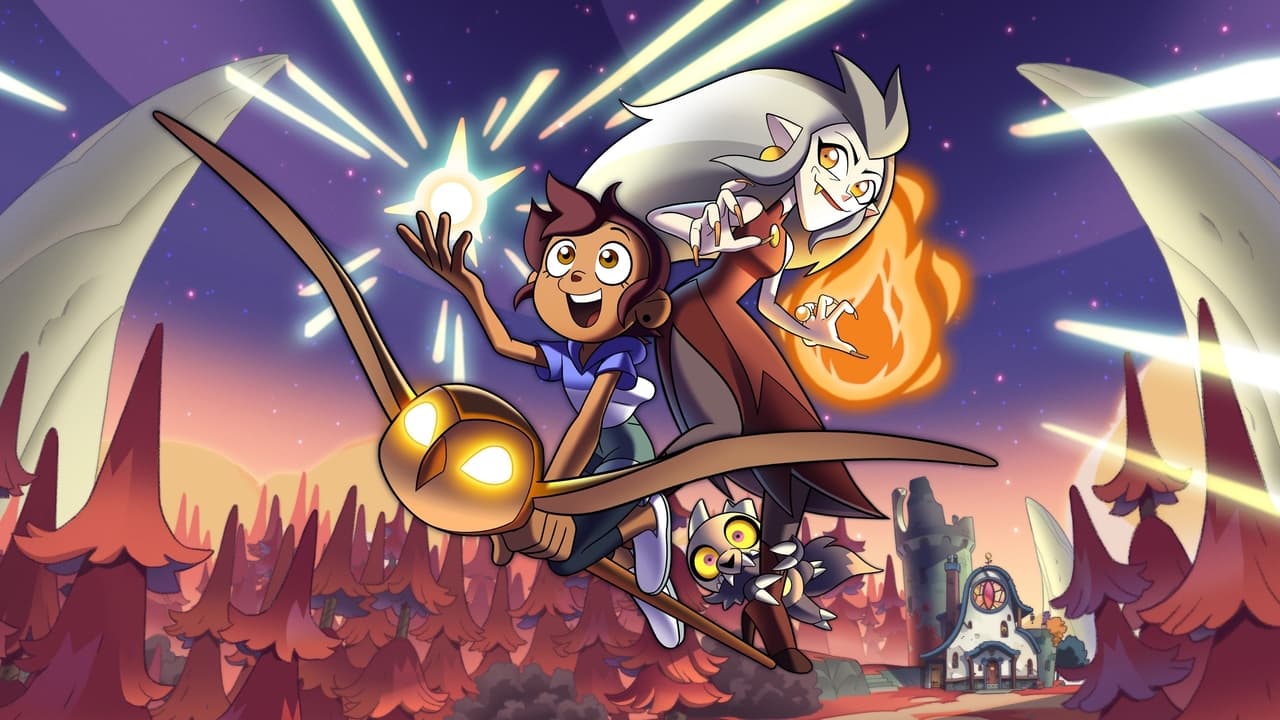
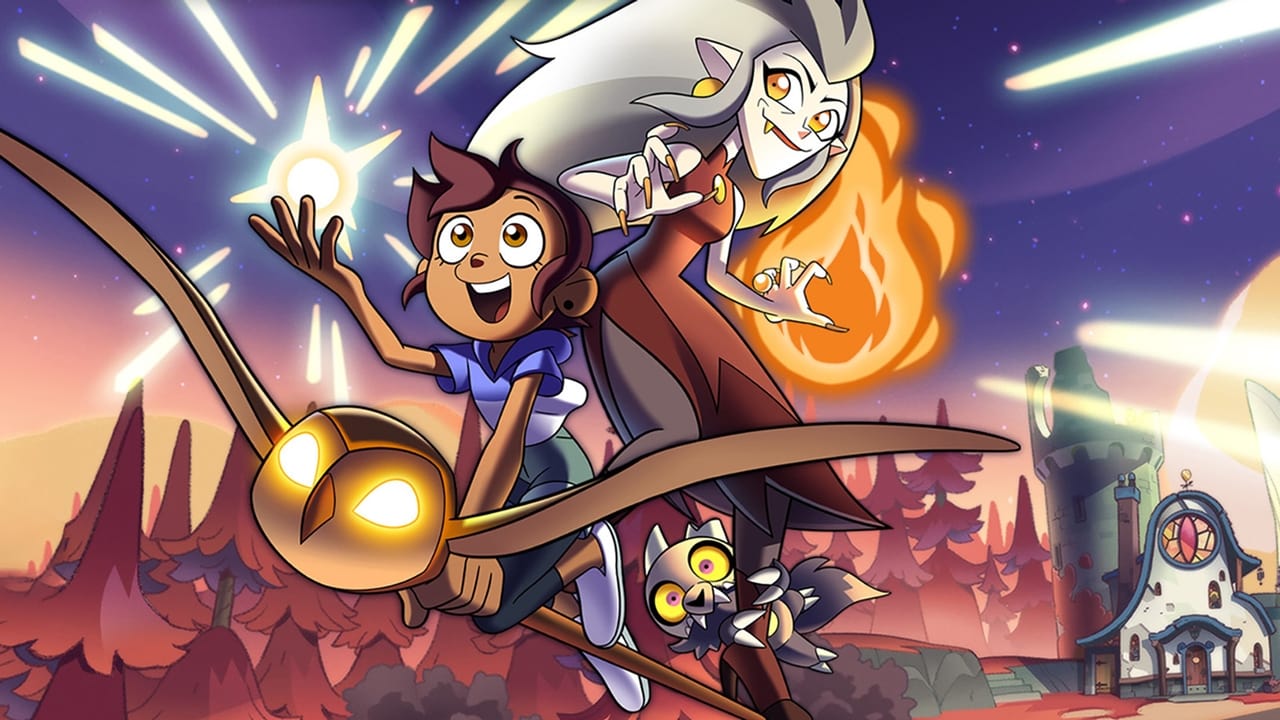
A neurodivergent teen finds her people (and herself) in a magical world where being weird is actually an asset—plus there's a tiny demon king.

IMDb8.6
RT Critics100%
TMDB8.7
Common Sense Media
Where to Watch
Loading streaming options...
Screenwise Verdict

The Owl House is that rare Disney show that doesn't feel like it's been focus-grouped to death. It's genuinely creative, emotionally intelligent, and willing to tackle themes most kids' shows avoid—neurodivergence, systemic injustice, queer identity—without being preachy or after-school-special about it.

Luz is a fantastic protagonist: weird, enthusiastic, makes mistakes, and learns from them. The found-family dynamic feels earned rather than manufactured, and the show trusts its audience to handle complexity. Yes, it's darker than Bluey, and yes, you might need to have some conversations about the LGBTQ+ content depending on your family's values, but those conversations are probably worth having.

The main caveat: this isn't background-noise TV. Some imagery is genuinely unsettling (think Gravity Falls energy), and the emotional beats land hard. If your kid is sensitive to themes of rejection or transformation body horror, preview a few episodes first. But for kids who love fantasy, feel like outsiders, or just want a story that respects their intelligence? This is top-tier.
Age Fit

Best for kids 8-14 who can handle some darker fantasy themes and are ready for nuanced conversations about identity and acceptance. Younger kids might find some imagery scary; older teens won't feel talked down to but may have aged out of Disney Channel vibes.

WISE Breakdown
Wholesome
82

Features strong themes of found family, acceptance, and belonging. Luz's journey models perseverance and kindness, while her relationship with Eda and King demonstrates healthy emotional bonds. The show celebrates being different and finding your people. Pacing is well-balanced for the genre. Points slightly reduced because some episodes deal with parental abandonment themes and Eda's curse subplot involves darker emotional territory, though handled age-appropriately.

Imaginative
91

Exceptionally creative world-building with a richly detailed magical realm (the Boiling Isles). The premise of a human learning magic without innate abilities is fresh and empowering. Features inventive magic systems, diverse creature designs, and creative problem-solving. Encourages viewers to think about pursuing dreams despite obstacles. The fantasy setting invites imaginative play and exploration of 'what if' scenarios.

Safe
74

Generally safe for target demographic but contains some elements parents should know about: fantasy violence (spell battles, monster encounters), mild peril, and some genuinely creepy imagery typical of the genre. Eda's curse transformation can be intense. Later seasons include LGBTQ+ representation (Luz's bisexual identity, romantic relationships) which is handled thoughtfully but may prompt family conversations. No gore, nudity, or inappropriate language. The show has emotional depth that includes themes of loss and identity that might be heavy for sensitive younger viewers.

Enriching
86

Tackles meaningful themes: self-acceptance, neurodivergence (Luz is coded as ADHD), challenging authority when it's unjust, found family vs. biological family, and identity exploration. Features a protagonist who loves learning and values education despite not fitting traditional molds. Promotes critical thinking about conformity and systemic injustice. The show's LGBTQ+ representation provides valuable visibility. Strong character development throughout with genuine emotional growth and consequences for actions.

Parent Info

Why It Might Be Great

  • Celebrates kids who don't fit the mold—Luz is gloriously weird, ADHD-coded, and the hero precisely because of her differences, not despite them
  • Found family done right: shows that the people who get you matter more than meeting others' expectations
  • Legitimately creative world-building that invites imaginative play without being derivative of Harry Potter or other fantasy staples
  • Thoughtful LGBTQ+ representation woven naturally into the story (Luz is bisexual, and it's treated as wonderfully unremarkable)
  • Strong female characters who are flawed, funny, and complex—not just 'girl power' archetypes

What to Watch For

  • Some genuinely creepy imagery and darker themes than typical Disney Channel shows—the Boiling Isles can be unsettling, and Eda's curse transformation is intense
  • Later seasons include same-sex romance (Luz and Amity's relationship), which is sweet and age-appropriate but may prompt conversations depending on your family values
  • Themes of parental rejection and not being understood by your family might hit hard for sensitive kids or those dealing with similar issues
  • The show was cancelled early by Disney (shortened final season), so the ending feels somewhat rushed—manage expectations

Conversation Starters

  • "Luz doesn't have natural magic but finds ways to do it anyway—when have you had to figure out your own way to do something?"
  • "Eda doesn't fit what the Emperor says a witch should be. Do you ever feel pressure to be a certain way? How do you handle that?"
  • "The show has characters who like people of the same gender. What do you think about how the show handles that?"
  • "Luz's mom wants her to go to 'reality check' camp because she's 'too weird.' Have you ever felt like adults didn't understand what makes you special?"
Stills
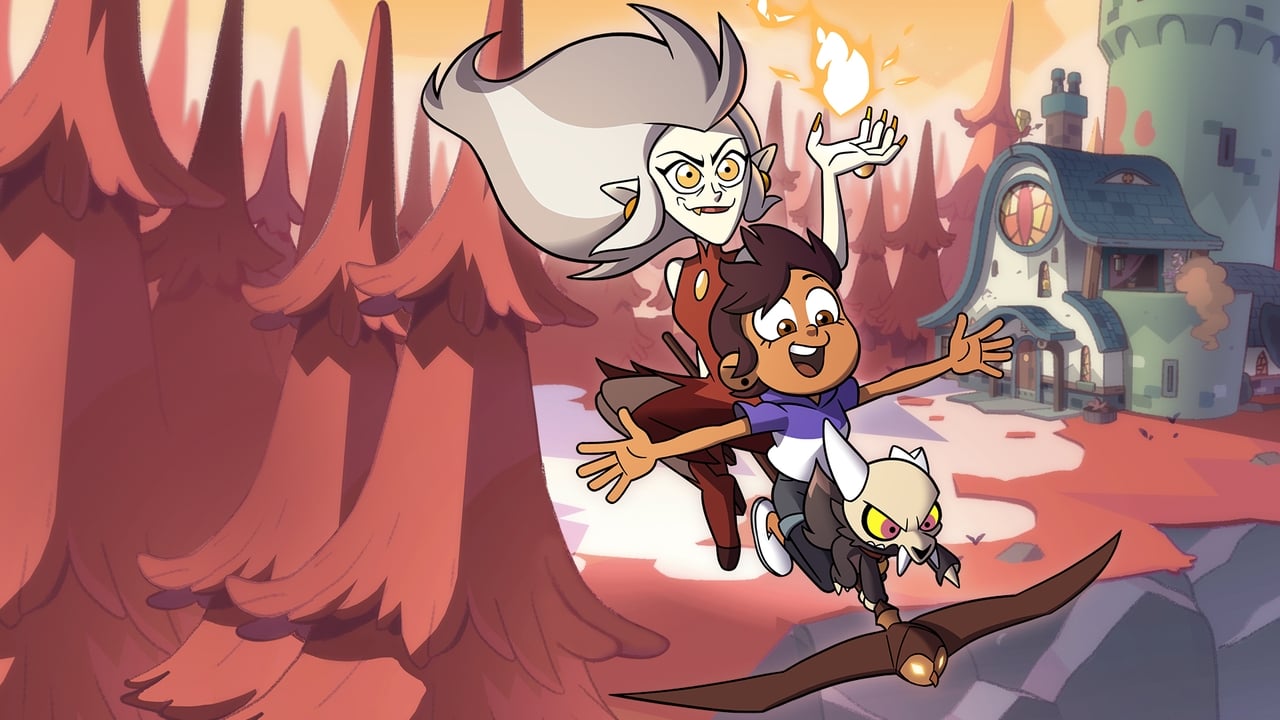
The Owl House — still 1
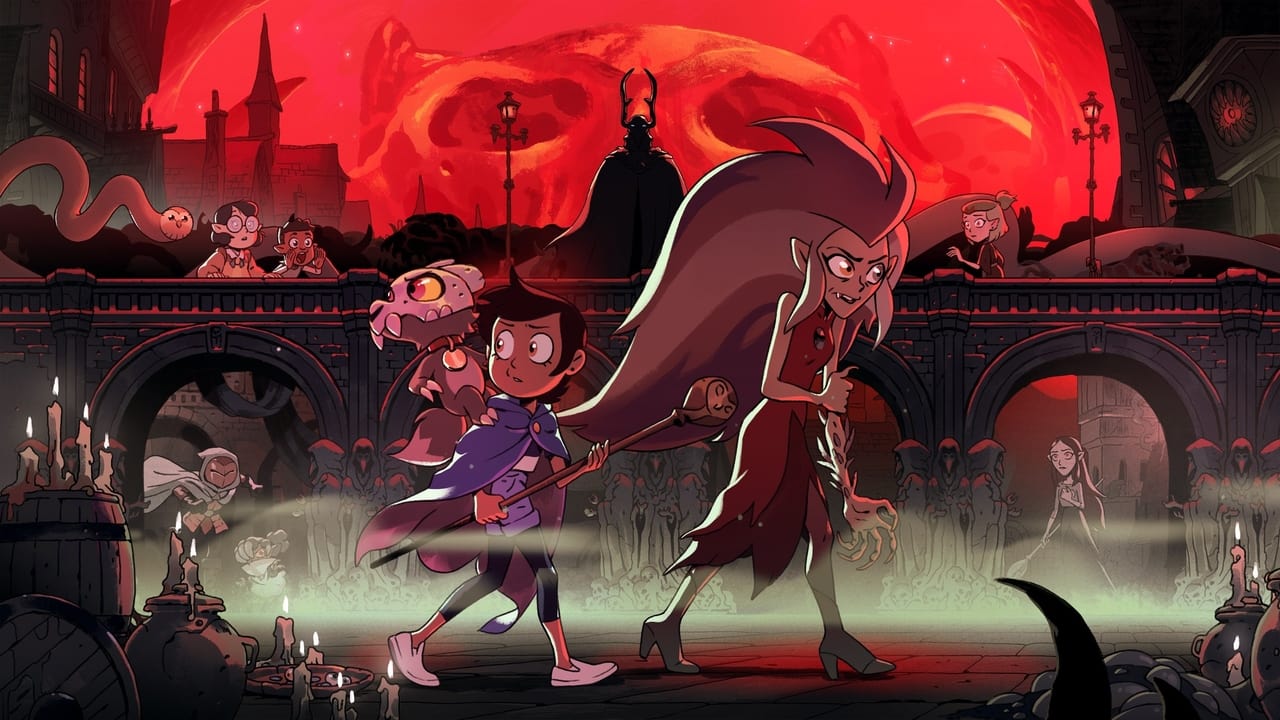
The Owl House — still 2
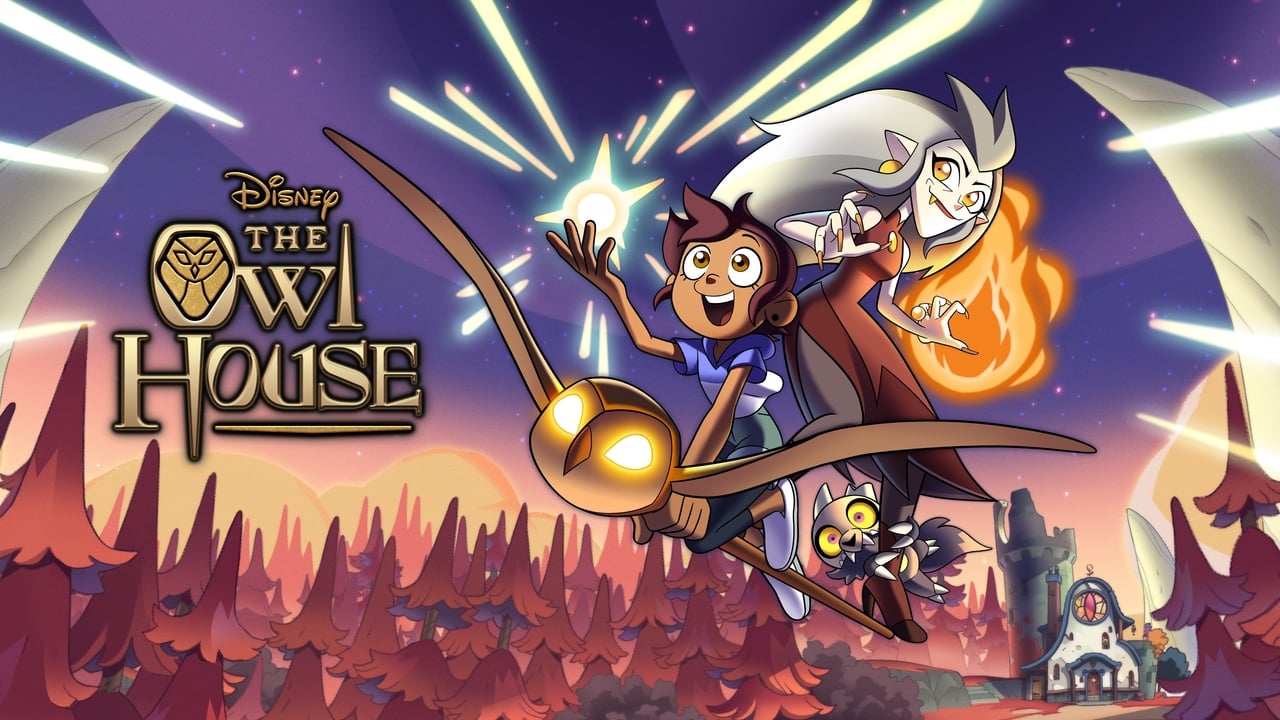
The Owl House — still 3
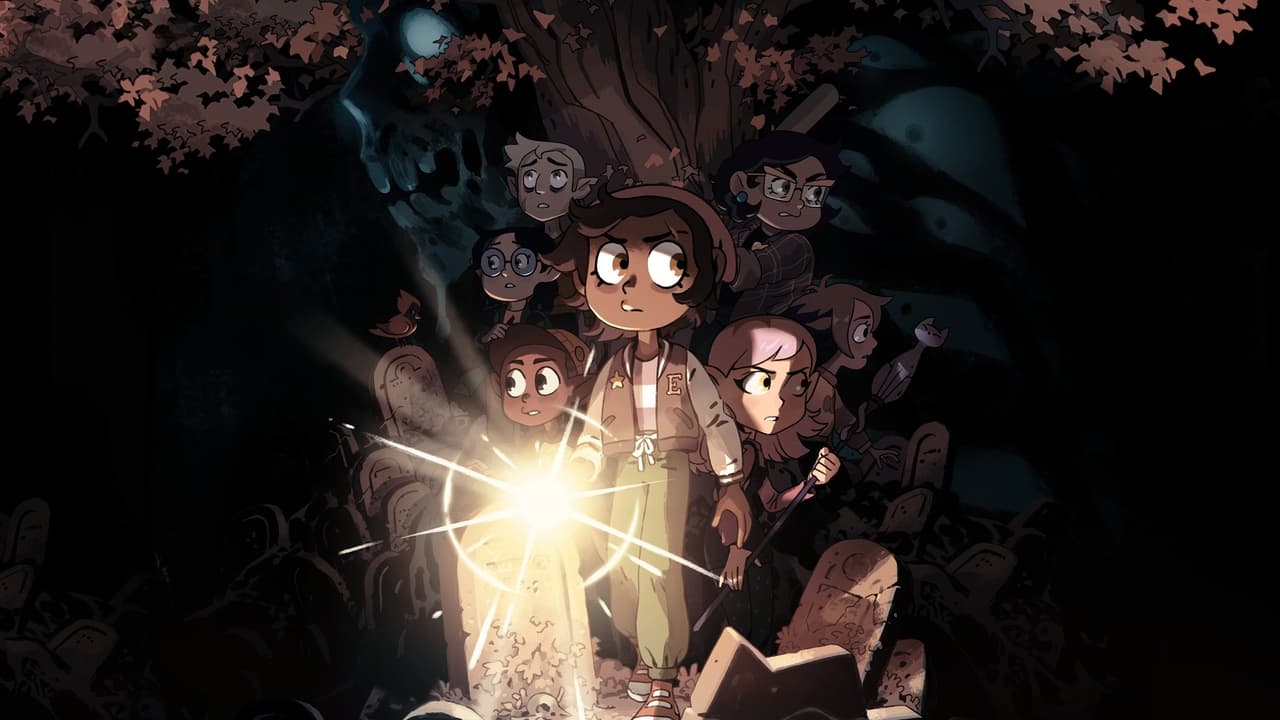
The Owl House — still 4
The Owl House — still 5
The Owl House — still 6
The Owl House — still 7
The Owl House — still 8

Ask Anything

Get a personalized guide on any topic

Related Guides