

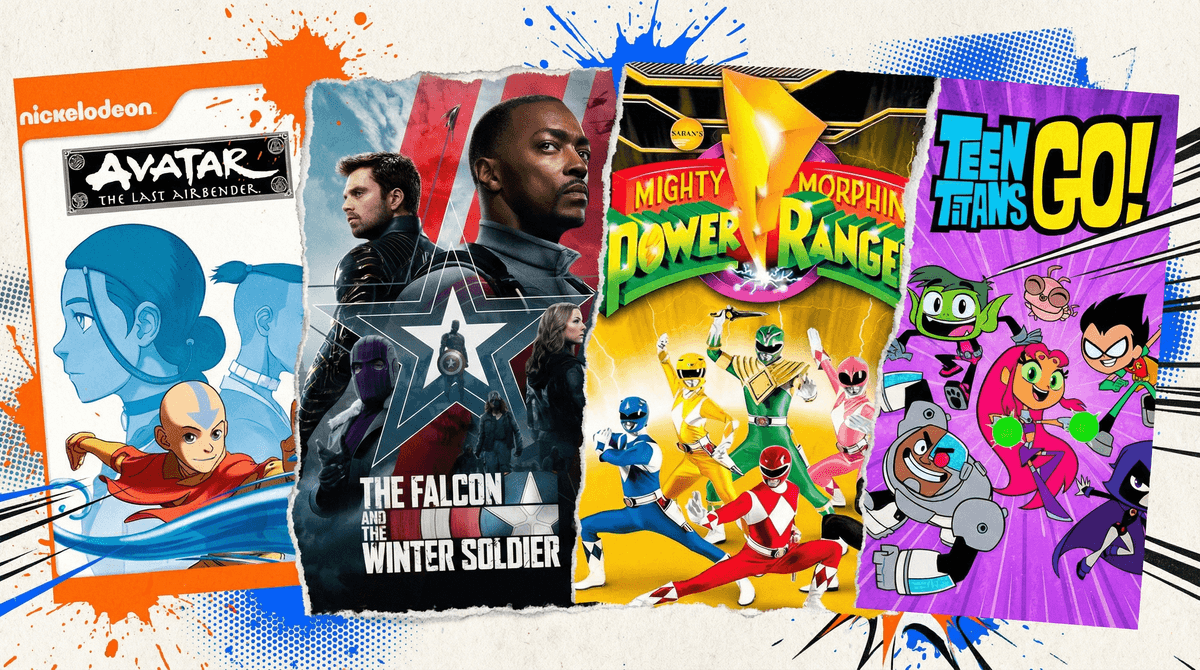
Action TV is that sweet spot of entertainment where kids get to watch heroes fight villains, epic battles unfold, and good triumph over evil—usually with some explosions, martial arts, or superpowers thrown in. We're talking everything from classic Power Rangers to modern animated fare like Avatar: The Last Airbender to the increasingly intense Marvel and DC superhero shows.
The genre has evolved dramatically. What counted as "action" when we were kids—think Saturday morning cartoons where nobody actually got hurt—looks quaint compared to what's streaming now. Today's action shows for kids range from slapstick comedy fights where characters bounce back immediately, to genuinely high-stakes storytelling with real consequences, emotional depth, and yes, sometimes actual violence.
And here's the thing: not all action content is created equal. There's a massive difference between Teen Titans Go! (silly, cartoonish, consequence-free) and something like The Falcon and the Winter Soldier (realistic violence, complex themes, definitely not for younger kids despite the Marvel branding).
Action shows hit multiple developmental sweet spots. Kids are naturally drawn to:
Clear good vs. evil narratives - There's comfort in knowing who to root for. The world feels manageable when heroes always win.
Physical competence and power - Watching characters do impossible things feeds fantasies about being strong, capable, and in control. This is especially appealing for kids who feel small and powerless in their actual lives.
Problem-solving through action - Many action shows aren't just punching. The best ones (Avatar, The Dragon Prince) involve strategy, teamwork, and creative thinking.
Adrenaline and excitement - Let's be honest, action is stimulating. The music swells, the stakes are high, and it feels exciting in a way that slice-of-life content doesn't.
Social currency - Knowing about popular action shows and characters is part of playground culture, especially in elementary and middle school.
Here's where it gets real: you cannot talk about action TV without talking about violence. And parents have wildly different comfort levels here, which is totally fine.
Some key distinctions that actually matter:
Cartoon violence vs. realistic violence - A character getting bonked on the head and seeing stars is different from realistic injury depiction. Shows like Ninjago keep things firmly in fantasy territory. Something like Daredevil? That's brutal, realistic violence that's absolutely not for kids, despite being about a comic book character.
Consequences matter - Does the show treat violence as consequence-free fun, or do characters actually get hurt, scared, or deal with aftermath? The Bad Batch shows characters processing trauma. That's different from pure action spectacle.
Intent and context - Is violence used for self-defense and protecting others, or is it glorified? Are there alternatives presented? The best action shows teach that fighting is sometimes necessary but not the first choice.
Your kid's temperament - Some kids watch intense action and it bounces right off. Others get nightmares or become more aggressive in their play. You know your kid better than any rating system.
Ages 4-7: Keep it silly and consequence-free
- PJ Masks - Preschool superhero action
- Super Monsters - Gentle supernatural fun
- Early Power Rangers episodes - Campy, formulaic, low stakes
Ages 8-10: Introduce stakes but keep it animated
- Avatar: The Last Airbender - Genuinely one of the best shows ever made, action with depth
- Ninjago - Long-running, engaging, good values
- The Dragon Prince - Beautiful animation, complex storytelling
- Miraculous Ladybug - Superhero action with relationship drama
Ages 11-13: Ready for more intensity
- Young Justice - Teen superheroes with real emotional stakes
- The Owl House - Fantasy action with LGBTQ+ representation
- Voltron: Legendary Defender - Space battles and character development
- Early MCU movies like Spider-Man: Homecoming
Ages 14+: Approaching adult content
- The Falcon and the Winter Soldier - Realistic violence, complex themes
- Arcane - Stunning but intense, deals with trauma and violence
- Most Marvel Netflix shows - Hard no until late teens
The Marvel/DC trap: Just because it's based on a comic book doesn't mean it's for kids. The branding is confusing as hell. Loki is different from WandaVision is different from Daredevil. Check ratings and actually watch trailers.
Anime is a huge category: Not all anime is appropriate, and not all action anime is the same. My Hero Academia is generally fine for tweens. Attack on Titan? Absolutely not for kids despite the animation style. If you're navigating anime, we have a whole guide for that.
Watch together, at least at first: You'll catch things ratings miss, and you can gauge your kid's reaction in real time. Plus, good action shows are actually enjoyable for adults.
Talk about what you're watching: "Why do you think the hero chose to fight there?" "What else could they have done?" "How do you think the bad guy became bad?" These conversations are where the learning happens.
It's okay to say no: If a show feels too intense for your family values or your kid's maturity level, it's fine to wait. FOMO is real, but there will always be another show.
Here's what often gets lost: action shows can teach incredible values or terrible ones. The best action content shows:
- Teamwork and collaboration over solo heroics
- Using words before fists
- Protecting the vulnerable
- Dealing with fear and failure
- Consequences of violence
- Redemption and second chances
- Diversity in who gets to be heroic
The worst action content glorifies:
- Might makes right
- Violence as first resort
- Winning at any cost
- Stereotypical gender roles
- Revenge as justice
Shows like Avatar: The Last Airbender and The Dragon Prince are masterclasses in embedding positive values in action storytelling. You can explore more shows that get this right.
Action TV isn't inherently good or bad—it's a genre that spans from mindless entertainment to genuinely excellent storytelling. The key is being intentional about what you allow and why.
Start younger kids with clearly fantastical, low-stakes action. As they mature, gradually introduce content with more realistic consequences and complex themes. Pay attention to how your specific kid responds—some kids are ready earlier, some need more time.
Don't rely solely on age ratings. A TV-Y7-FV rating tells you there's fantasy violence, but not whether it's Ninjago or something more intense. Common Sense Media is your friend here, as are other parents in your community.
The best action shows do more than entertain—they teach problem-solving, empathy, perseverance, and moral reasoning. They show diverse characters being heroic. They demonstrate that strength isn't just physical. If you're choosing action content anyway (and your kids probably will want to watch it), aim for the good stuff.
And remember: watching action TV won't automatically make your kid violent. Research is pretty clear on this. What matters more is the overall media diet, how you talk about what you watch together, and your kid's real-world experiences with conflict resolution.
- Check out our guide to Avatar: The Last Airbender if you haven't watched it yet—it's the gold standard
- Explore alternatives to violent content if you want to minimize action altogether
- Learn about setting up parental controls on streaming services to prevent auto-play of intense content
- Use Screenwise to see what action shows other families in your community are watching and how they're navigating these choices
Your kids will probably love action content. Your job isn't to eliminate it entirely (unless that's your family's choice), but to curate it thoughtfully and use it as a springboard for bigger conversations about heroism, violence, and doing the right thing.