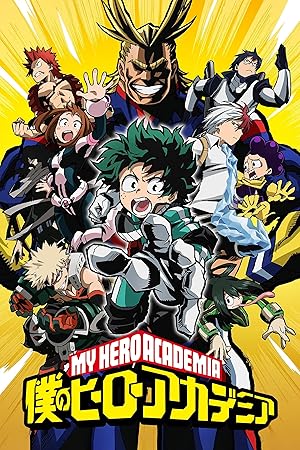
My Hero Academia

My Hero Academia

show

TV-14, 2016, Animation, Action

WISE
74%

WISE Score

8.2

IMDb

Underdog kid gets superpowers and learns what heroism really means—think Spider-Man meets Harry Potter, but with more punching.

IMDb8.2
Common Sense Media
Where to Watch
Loading streaming options...
Screenwise Verdict

My Hero Academia is one of the strongest gateway anime for tweens and teens who are ready to level up from Pokemon and Avatar. The worldbuilding is rich, the characters are compelling, and the themes have real depth.

The violence is the main gate here—it's not gratuitous, but it's frequent and sometimes intense. If your kid can handle Marvel movies, they can probably handle this. The fan service is present but relatively mild compared to many anime (looking at you, Seven Deadly Sins).

What makes it work is that beneath all the punching, there's a genuine story about what it means to be heroic when you're not naturally gifted. Izuku's journey from powerless fanboy to legitimate hero is earned, not handed to him, and that resonates. The show sparked a massive resurgence in superhero anime for good reason—it's just really well done.

Common Sense Media's 14+ rating feels right, though mature 12-13 year olds who are already into action content will likely be fine. This is appointment viewing for millions of teens worldwide, and it's easy to see why.
Age Fit

Best for ages 12-13 and up, depending on your kid's tolerance for action violence and emotional intensity. Mature 11-year-olds who are into superhero content might be fine, but younger kids will likely find the combat and stakes too much. Teens and adults genuinely enjoy it—this isn't just kid stuff.

WISE Breakdown
Wholesome
72

Strong themes of friendship, perseverance, and heroism anchor the show. The protagonist Izuku embodies humility and determination, and the series consistently reinforces cooperation and self-sacrifice. However, some fan service elements (occasional suggestive material) and the intensity of rivalries keep this from being squeaky-clean. The pacing is energetic but not chaotic, and the emotional beats land well for tweens/teens.

Imaginative
88

The 'Quirks' system—where 80% of humanity develops unique superpowers—is endlessly creative and invites kids to imagine their own abilities. The hero academy setting blends school life with superhero training in fresh ways. Character designs are distinctive, fight choreography is inventive, and the worldbuilding expands thoughtfully across seasons. It's the kind of show that sparks 'what would YOUR quirk be?' conversations.

Safe
58

Extended sequences of violence and action throughout, with bloody images and occasional intense peril. Common Sense Media rates it 14+, noting that mature tweens can handle it but younger kids may find the combat disturbing. Some suggestive material and fan service (mostly involving female characters in tight costumes), plus occasional mild language (hell, shit). The violence is stylized anime combat, not gratuitous, but it's frequent and sometimes brutal. Not a 'surprise' issue—you know what you're getting with a shonen action anime—but definitely not safe for young kids to stumble into.

Enriching
76

Explores meaningful themes about what makes someone a hero beyond raw power—compassion, sacrifice, responsibility. Izuku's underdog journey from powerless to powerful resonates with kids facing their own challenges. The show tackles disability, self-worth, mentorship, and the ethics of heroism. Characters grow and fail and learn. It's not just punching—there's genuine character development and moral complexity. Highly entertaining with strong emotional payoffs.

Parent Info
✓

Why It Might Be Great

  • The 'Quirks' superpower system is endlessly creative and will have your kid designing their own abilities within 10 minutes
  • Izuku is a genuinely likable protagonist who earns his wins through hard work, not just talent—great model for growth mindset
  • Themes of heroism go deeper than 'beat the bad guy'—explores sacrifice, responsibility, and what power really means
  • Strong ensemble cast with diverse personalities and motivations; characters actually develop across seasons
  • High production values and inventive fight choreography that keeps the action fresh
⚠

What to Watch For

  • Action violence is frequent and sometimes intense—characters get bloodied, bones break, fights can be brutal (though stylized)
  • Some fan service with female characters in revealing hero costumes; occasional suggestive jokes
  • Mild language pops up (hell, damn, occasional shit)
  • Emotional intensity—characters face real peril, trauma, and loss; some scenes may be scary for sensitive kids

Conversation Starters

  • "If you could have any Quirk, what would it be and why? What kind of hero would you want to be?"
  • "Deku didn't start with power—he had to earn it. When have you had to work really hard for something you wanted?"
  • "The show talks a lot about what makes someone a 'real hero.' What do you think that means?"
  • "Some characters become villains because society rejected them. Does that make their actions more understandable?"
  • "All Might has to deal with losing his power. How do you think that feels for him?"

Ask Anything

Get a personalized guide on any topic

Related Guides