Most games ask a kid to react fast. Zelda asks them to figure something out. You walk into a room, something is blocking your way, and the game says: you have everything you need — go. No timer, no twitchy reflexes, no penalty for thinking. That single difference is why parents who are wary of most gaming tend to make an exception for this one.
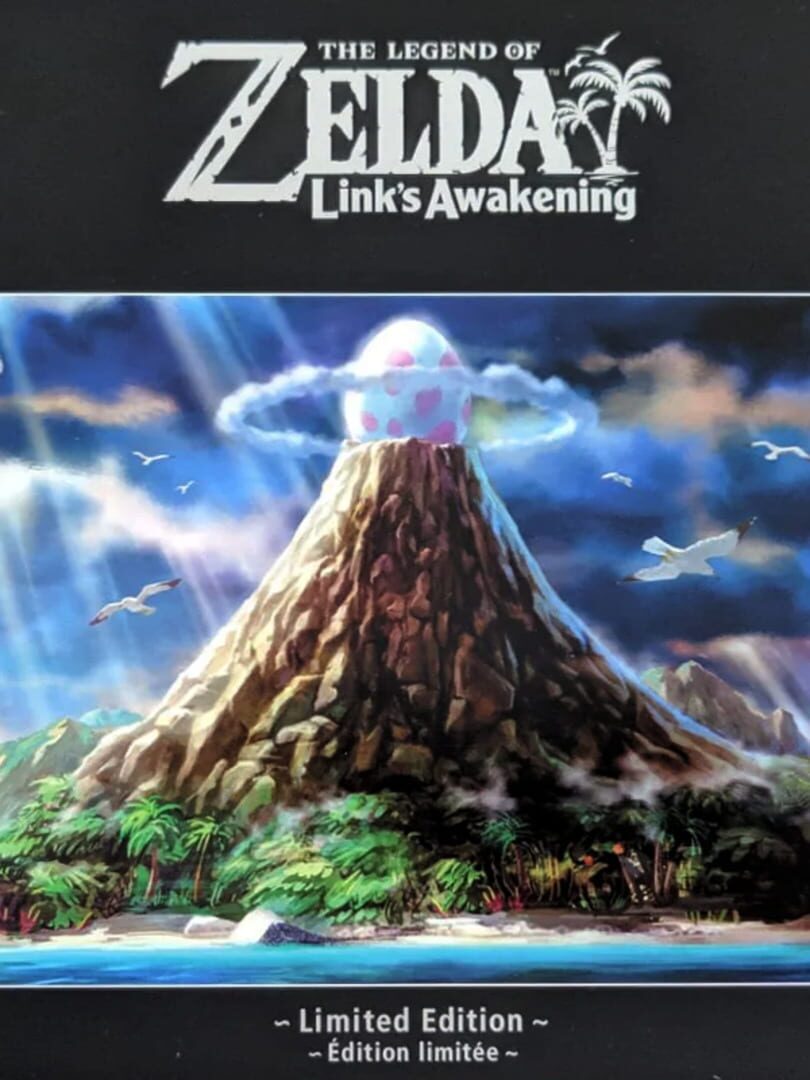
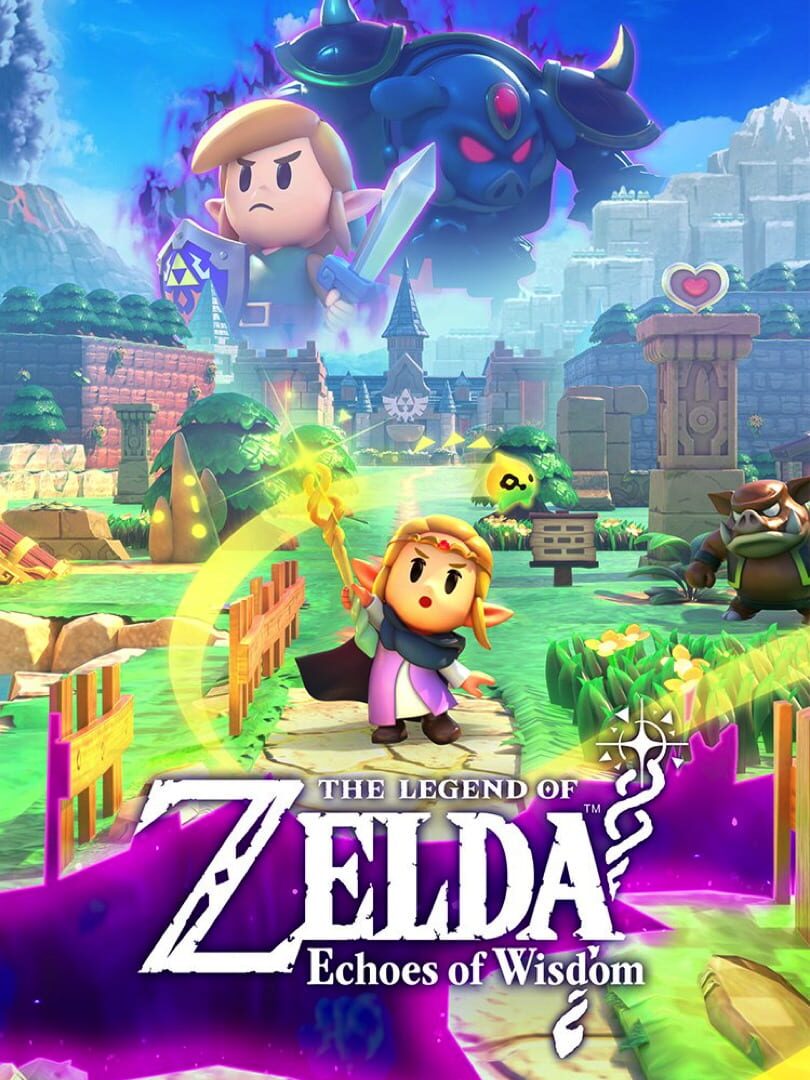
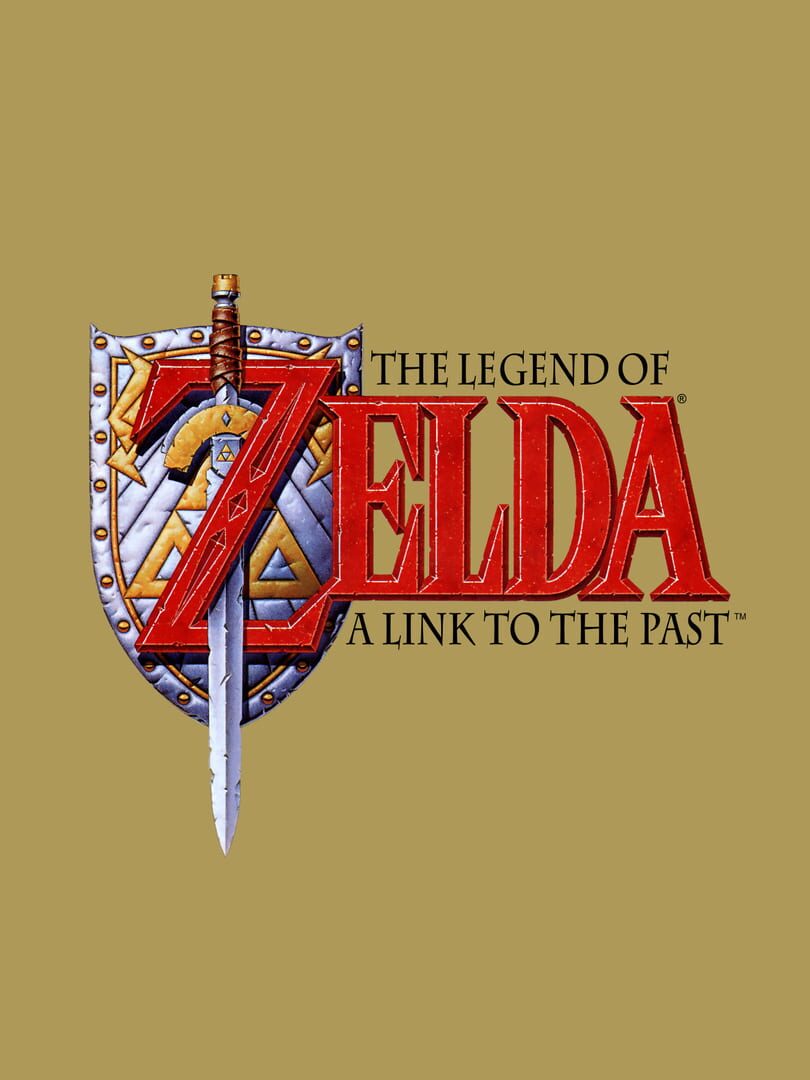
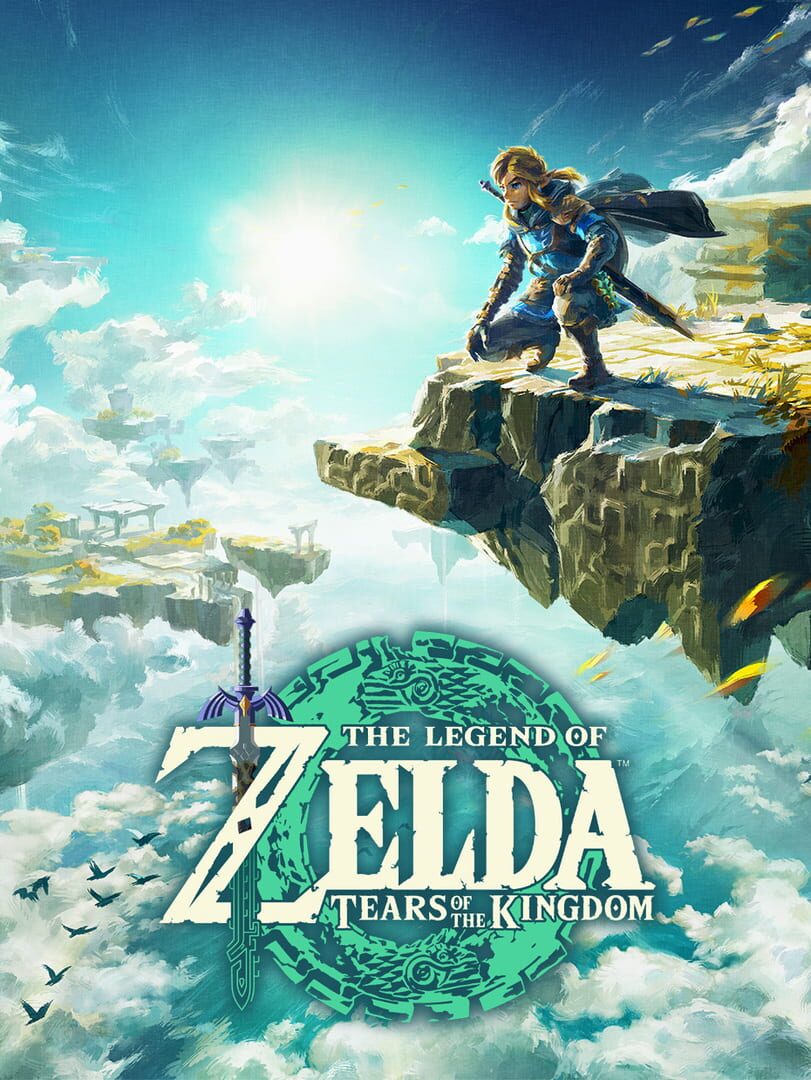
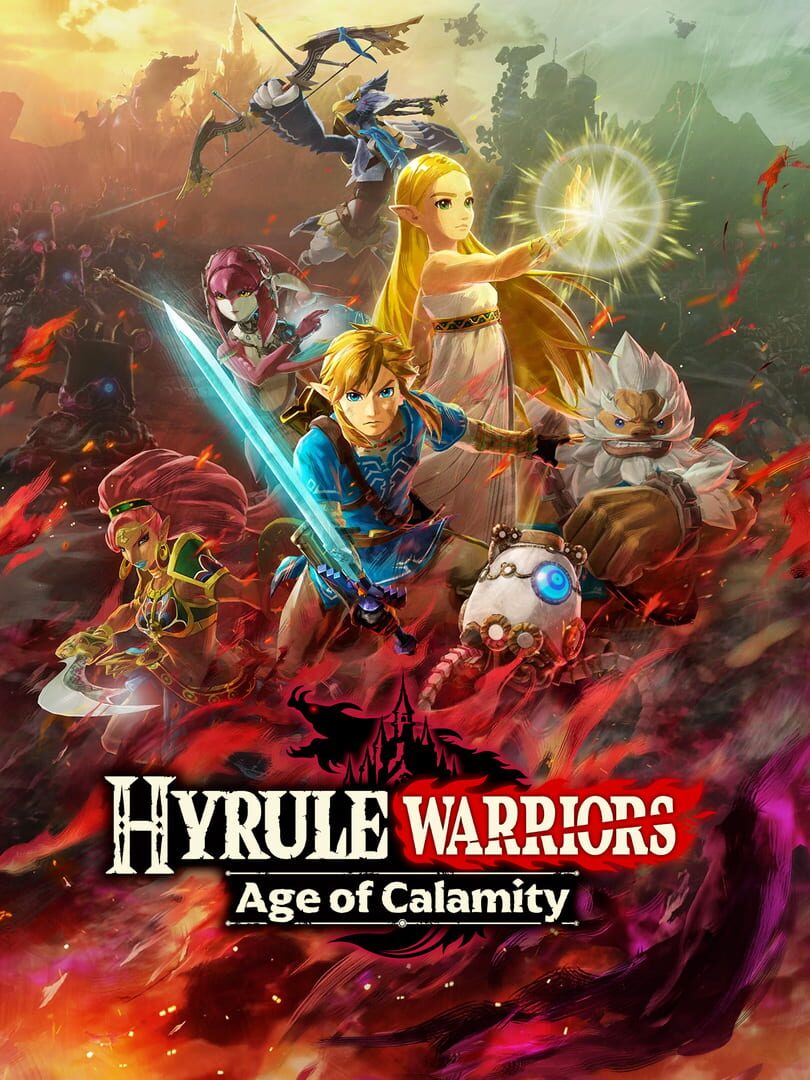
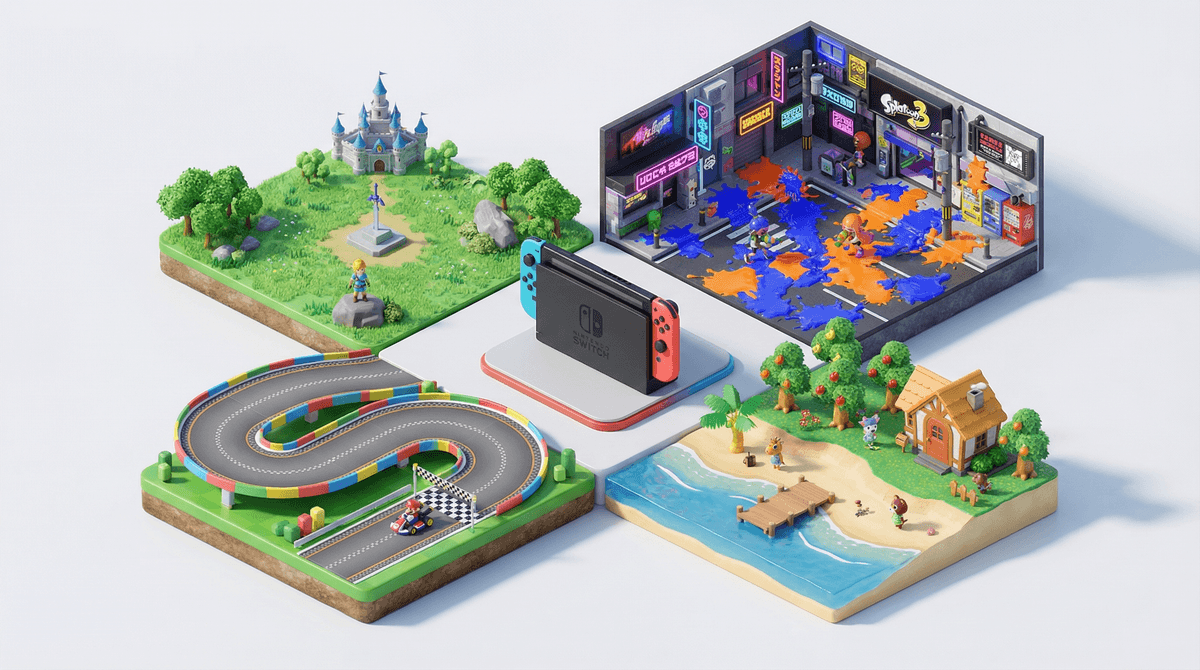
The series spans almost forty years and a dozen styles — top-down classics like A Link to the Past, the 3D adventure that defined a generation in Ocarina of Time, and the wide-open sandboxes of Breath of the Wild and Tears of the Kingdom where a kid can climb any mountain they can see. What ties them together is design that respects the player. Hyrule doesn't hold your hand. It trusts you to poke at it until it gives.
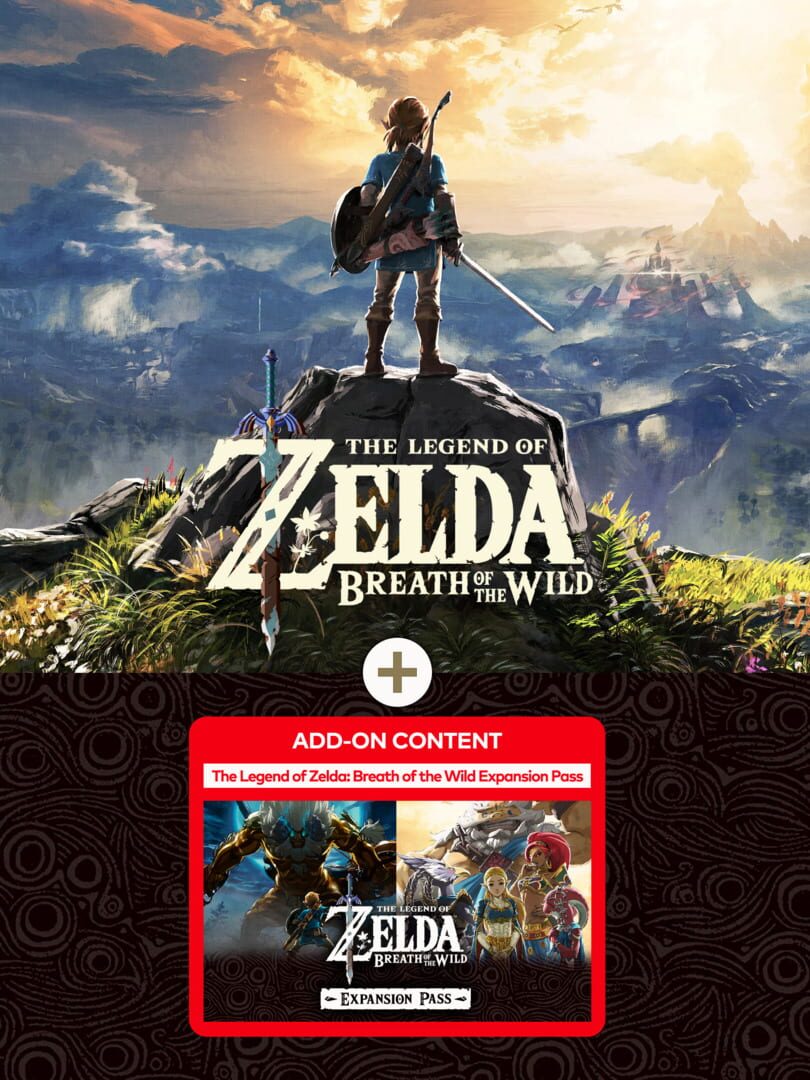
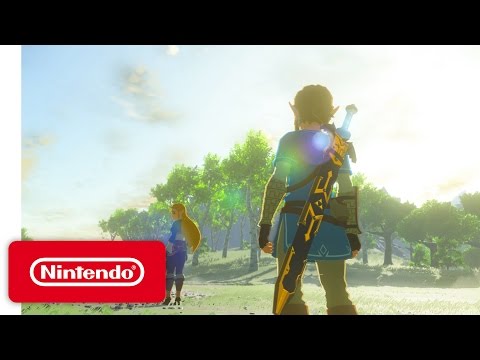
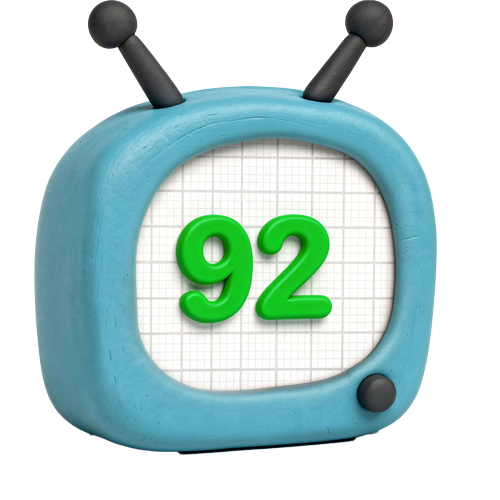
We score media on four dimensions — Wholesome, Imaginative, Safe, and Enriching — and Breath of the Wild lands at 88, 98, 82, and 90. The near-perfect Imaginative score is the whole point: a kid solving a shrine with a magnet, a gust of wind, and a metal crate is doing real, open-ended problem-solving. The slightly lower Safe number is honest — there's cartoon combat, a handful of genuinely eerie corners, and the occasional jump scare. It's adventure, not preschool TV.
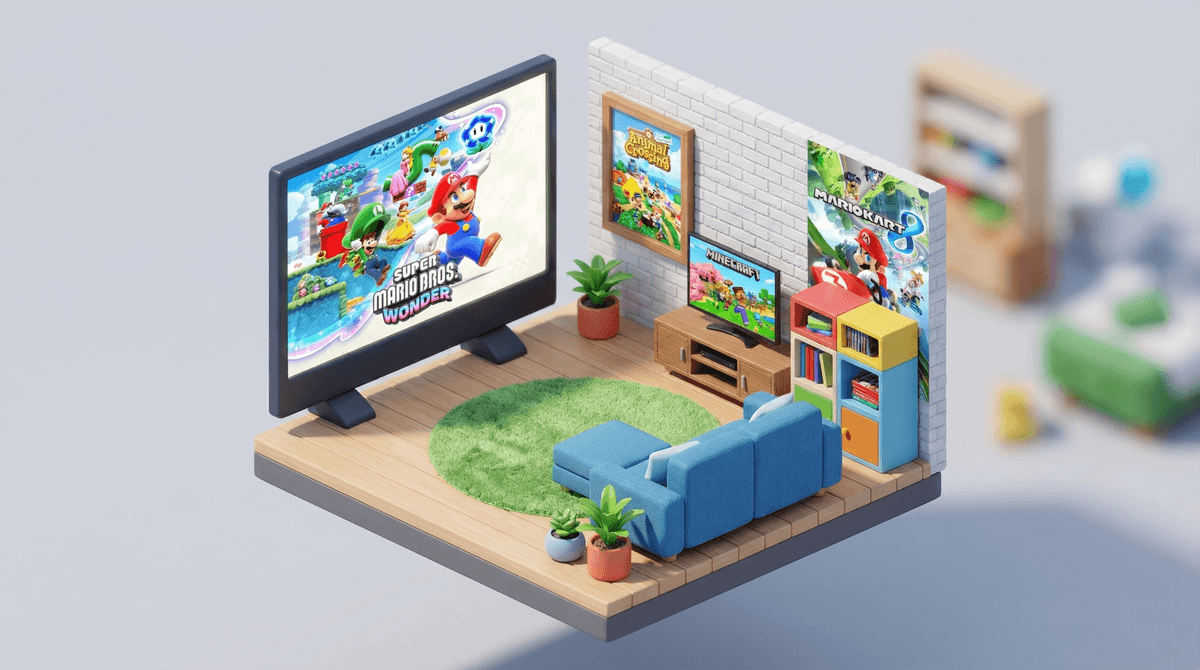
This is a series for the kid who likes to explore, build, and tinker — and it's unusually good for playing together. A younger sibling can ride shotgun, read the map, spot the next tower, and help puzzle through a room without ever touching the controller. For a lot of families it becomes the rare screen the whole couch gathers around. See where it fits among the best Nintendo Switch games for families.
The payoff isn't just a beaten game. It's a kid who learns to break a big problem into small ones, form a hunch, test it, and try a different angle when the first one fails — then comes off the couch wanting to tell you exactly how they cracked it. That's the conversation Zelda is quietly really good at starting.