The Legend of Zelda: Ocarina of Time

The Legend of Zelda: Ocarina of Time

game

1998, Puzzle, Adventure

WISE
89%

WISE Score

92%

IGDB

The definitive 3D adventure that taught a generation how to save the world, play the flute, and fear the Water Temple.

Where to Play

Screenwise Verdict

Ocarina of Time is widely considered the 'Greatest of All Time' for a reason, but in 2026, we have to talk about the 'retro' tax. The graphics are blocky and the camera controls are objectively clunky compared to Breath of the Wild. If your kid can get past the 1998 coat of paint, they’re in for a world-class education in game design.

It’s a safe, incredibly smart adventure that respects a kid's intelligence. There are no ads, no battle passes, and no 'daily login' rewards—just a boy, a sword, and a very long quest. It’s the perfect antidote to the hyper-stimulating, infinite-loop games that dominate the market today.

Age Fit

Perfect for ages 10 and up. Younger kids can enjoy it with a parent's help, but the complex puzzles and some spooky late-game dungeons are better suited for the double-digit crowd.

WISE Breakdown
Wholesome
88

A classic hero's journey centered on bravery, helping others, and the weight of growing up. It's essentially the gold standard for high-fantasy adventure without being cynical.

Imaginative
96

The time-travel mechanics and music-based puzzles were industry-defining. It forces players to think across dimensions and use a literal instrument to manipulate the world.

Safe
90

No microtransactions, no online toxicity, and no ads. Fantasy violence is present but bloodless (except for some green/red sparks). A few late-game areas are surprisingly creepy, though.

Enriching
92

Exceptional for developing spatial reasoning and logic. The puzzles don't hold your hand, requiring genuine persistence and deductive work to solve.

Parent Info

Why It Might Be Great

  • Masterful puzzle design that challenges logic and spatial awareness without modern 'map marker' hand-holding.
  • Iconic soundtrack where music isn't just background noise—it's the primary mechanic for interacting with the world.
  • Timeless story about the loss of childhood innocence that still lands with emotional weight decades later.
  • Zero monetization or online pressure; it's a pure, self-contained experience that respects the player's time.

What to Watch For

  • N64-era camera jank can be frustrating for kids used to modern twin-stick controls; be prepared for some 'how do I see?' complaints.
  • The Bottom of the Well and Shadow Temple feature some genuinely macabre imagery (skeletons, blood-stained floors, invisible monsters) that might rattle younger or sensitive kids.
  • The Water Temple remains a notorious logic hurdle that often requires a guide or parental intervention to avoid a total 'I quit' moment.

Conversation Starters

  • "If you could travel seven years into the future and see yourself, what do you think would be the biggest change?"
  • "Why do you think Link is called the 'Hero of Time' instead of just a soldier?"
  • "Which song in the game is your favorite to play on the Ocarina, and what does it make you feel?"
  • "Does the world feel different when you're playing as Young Link versus Adult Link?"

Deep Dive

The Legend vs. The Reality

Playing Ocarina of Time today is like watching a classic black-and-white movie. You can see the bones of everything that came after it—from the Z-targeting combat system to the way open worlds are structured. For a parent, it's a nostalgia trip. For a kid, it's a test of patience. The N64 version has a frame rate that would make a modern gamer weep, and Link’s face is essentially a handful of polygons.

However, if you have access to the 3DS remake, grab that instead. It smooths out the graphics, fixes the inventory management (switching boots in the Water Temple used to take an eternity), and makes the whole experience much more palatable for a modern audience.

Why It Still Matters

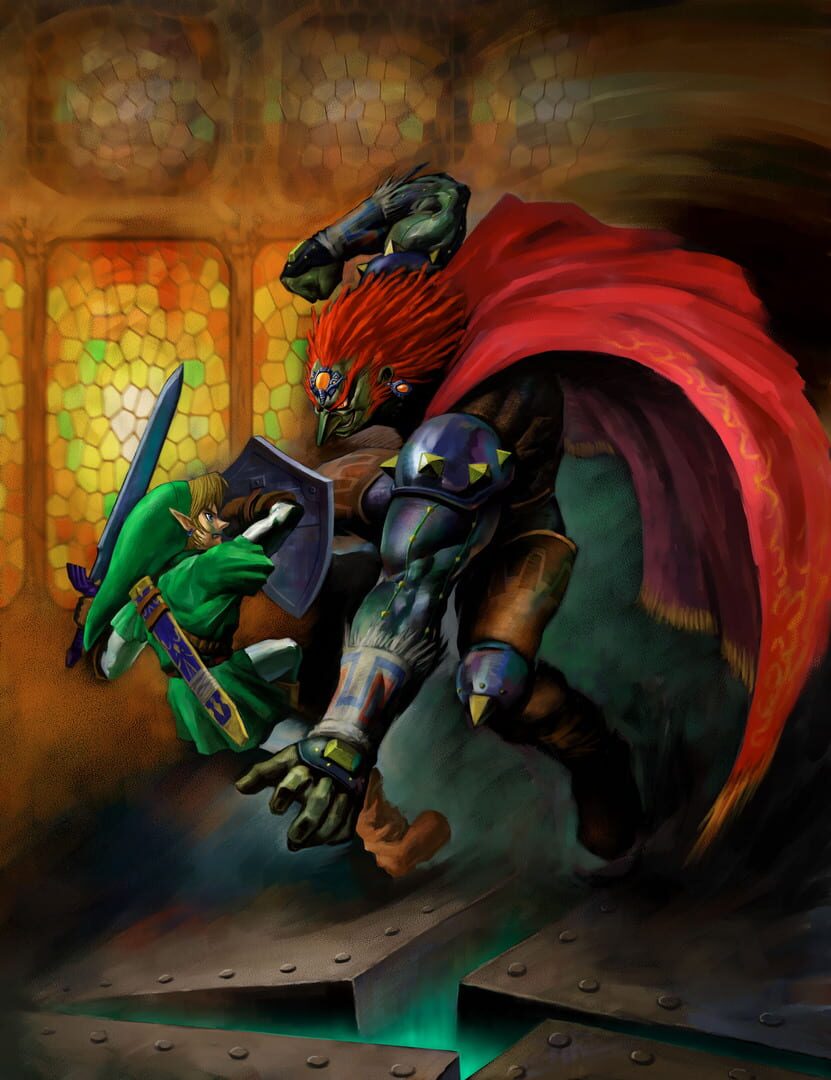
What makes Ocarina special isn't just the dungeons; it's the atmosphere. The game manages to feel lonely, epic, and cozy all at once. It teaches kids how to navigate a world that changes over time, showing them the consequences of Ganondorf's rule in a way that feels personal. When you walk out of the Temple of Time as an adult and see the ruined market, it's a heavy moment that most modern games can't replicate with 4K textures.

A Note on the 'Scary' Stuff

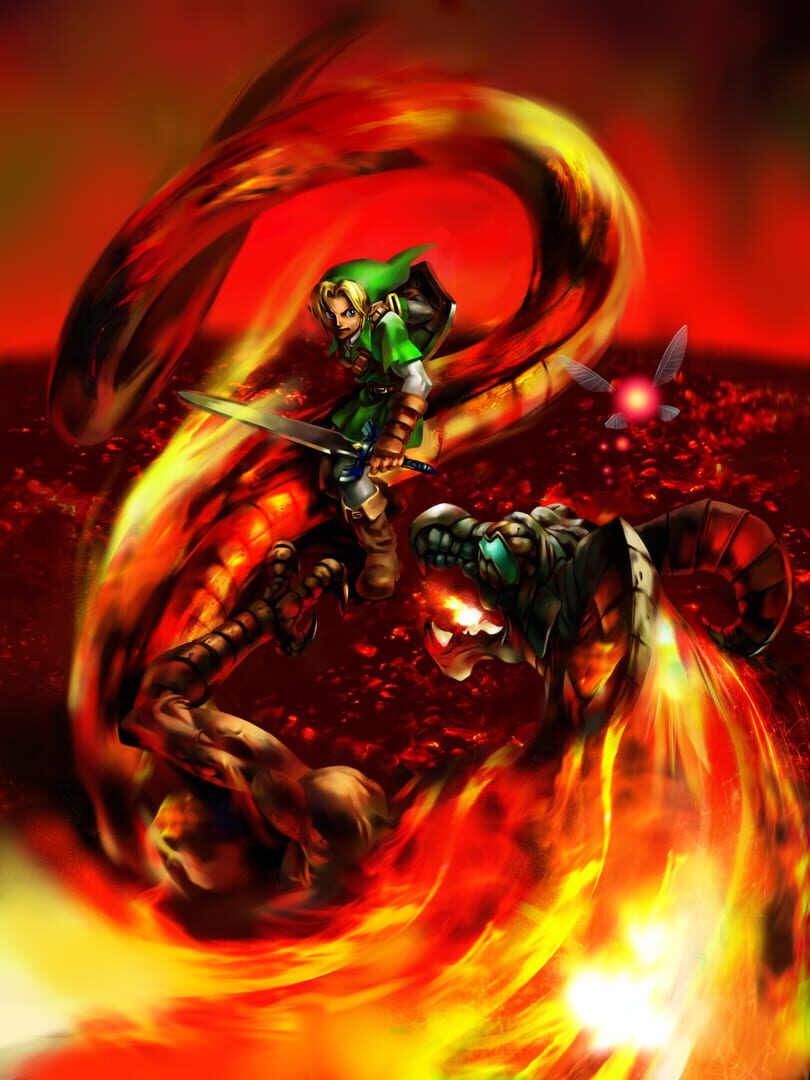
While the game is rated E, Nintendo was definitely in a 'dark' phase in the late 90s. The Shadow Temple features guillotines and 'Dead Hand'—a monster made of pale, reaching arms that is the stuff of actual nightmares. If your kid is particularly sensitive to horror, you might want to sit with them during the back half of the game. Otherwise, it's a rite of passage that most kids handle just fine.

Part of The Legend of Zelda — our full guide to the series.

What Parents Ask

Ask Anything

Get a personalized guide on any topic