

The Best Nintendo Switch Games for 12-Year-Olds in 2026
TL;DR: Twelve-year-olds are in that sweet spot where they want games that respect their intelligence but aren't drowning in mature content. Here are the standouts that hit that balance:
Top Picks:
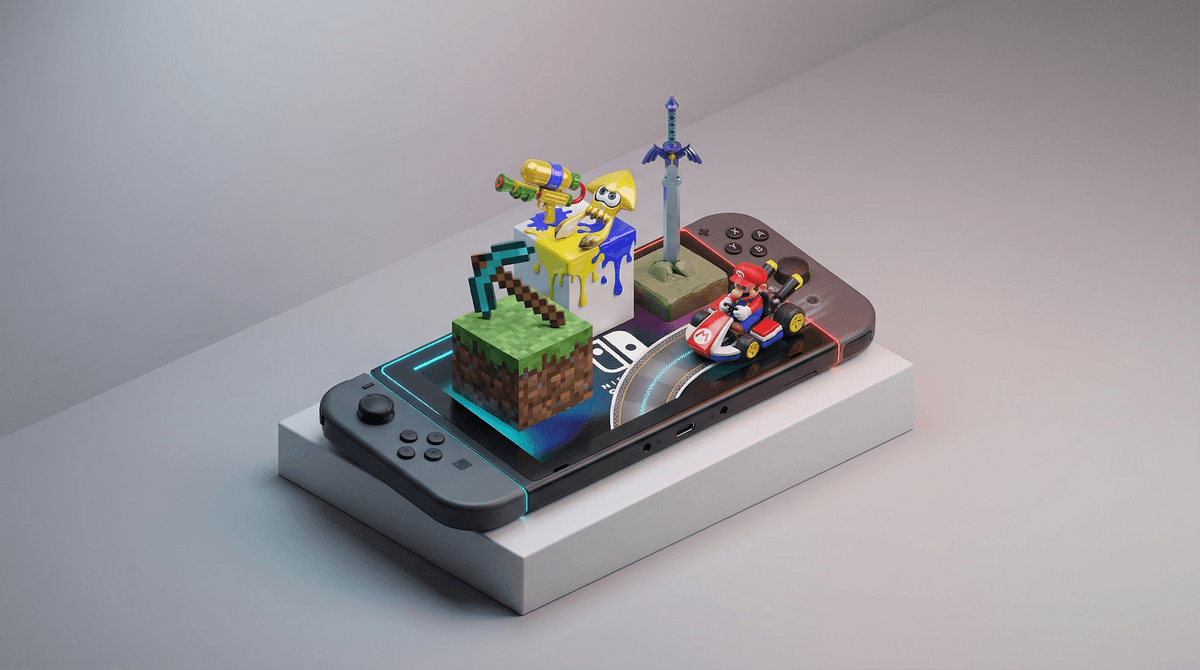
- The Legend of Zelda: Breath of the Wild - Epic adventure with real problem-solving (which Zelda fits which age)
- Splatoon 3 - Competitive multiplayer without the toxicity
- Minecraft - Still the creativity king
- Mario Kart 8 Deluxe - Perfect for family game nights
- Stardew Valley - Surprisingly deep farming sim
Twelve is a fascinating age for gaming. They're too old for the hand-holding of early kids' games, but you're (rightfully) not ready to hand them Fortnite with unrestricted voice chat and a credit card. The Switch is actually perfect for this age because it has a genuinely impressive library of games that are challenging, engaging, and age-appropriate without feeling babyish.
At this age, kids want:
- Real challenge - They can handle complex mechanics and strategic thinking
- Social connection - Multiplayer matters, but ideally without toxic chat
- Creative expression - Building, customizing, making choices that matter
- Respect for their intelligence - No more tutorial hand-holding every five seconds
What you want:
- Age-appropriate content - Violence that's cartoonish, not graphic
- Manageable online interactions - Or none at all
- Value for money - Games with actual replay value
- Skills they're actually learning - Problem-solving, planning, creativity
This is the game that makes kids understand why adults get nostalgic about gaming. It's a massive open-world adventure where you can approach problems in multiple ways, and the game actually rewards creative thinking. Want to sneak past enemies? Cool. Want to set the grass on fire and watch them panic? Also cool.
Why it works for 12-year-olds: The combat is strategic rather than button-mashy, the puzzles require actual problem-solving, and there's no blood or gore—just enemies that poof into smoke when defeated. It's also completely single-player, so no online drama.
Time commitment: This is a 50+ hour game, but it's designed for pick-up-and-play sessions. They can make progress in 30 minutes or lose an entire Saturday to it.
If your kid wants competitive online multiplayer (and let's be real, most 12-year-olds do), this is the answer. It's a team-based shooter where you're painting turf with ink instead of shooting people with bullets. The whole vibe is colorful chaos rather than military realism.
Why it works: The online community is surprisingly positive because the game design itself discourages toxicity. There's no kill/death ratio displayed, no voice chat with strangers (only with friends), and matches are quick enough that a bad game doesn't ruin their whole afternoon.
Parent tip: You'll need a Nintendo Switch Online subscription ($20/year for basic), but that's way cheaper than other online gaming services and comes with parental controls that actually work.
Yes, it's been around forever. Yes, you might be sick of hearing about it. But there's a reason it's still the most-played game among this age group. At 12, kids are moving beyond just building houses and getting into redstone engineering (basically in-game electrical circuits), complex builds, and collaborative projects with friends.
Why it still matters: The creative possibilities are genuinely endless, and the problem-solving skills are real. Plus, the Switch version lets them play in handheld mode on the couch while you watch TV, which is peak coexistence.
Online safety note: If they're playing on public servers, you'll want to have a conversation about online safety in Minecraft. The game itself is fine; it's the chat that needs monitoring.
This is the rare game that works for the whole family. Your 12-year-old will smoke you at first, then you'll practice in secret, then family game night gets competitive in the best way.
Why it's perfect for this age: It's got enough depth that skill actually matters (unlike some racing games that are pure chaos), but the item system keeps things unpredictable enough that everyone has a shot. Great for building good sportsmanship because everyone gets blue-shelled eventually.
The fighting game that's actually appropriate for 12-year-olds. It's got 80+ characters from Nintendo history, and the skill ceiling is high enough that they can keep improving for years.
Real talk: This game can get intense during multiplayer sessions. If you've got siblings playing together, set some ground rules early about handling losses, or you'll be dealing with controller-throwing drama.
Don't let "farming simulator" fool you—this game is shockingly deep. You're managing crops, building relationships with townspeople, exploring caves, fishing, crafting... it's basically a whole life in a game, and kids this age get completely absorbed in optimizing their farm and planning their next season.
Why parents love it: It's genuinely wholesome, teaches planning and resource management, and has zero violence. It's also one of those cozy games that can actually help anxious kids decompress.
Heads up: There are references to alcohol (one character struggles with it) and some mild adult themes in the storylines, but it's handled maturely and age-appropriately.
The game that took over 2020 is still going strong. You're building and customizing an island, collecting items, and interacting with adorable animal villagers. It runs in real-time, so events happen based on actual dates and seasons.
Why it works: It's low-pressure, creative, and has enough collecting/completing elements to keep goal-oriented kids engaged. The online component lets them visit friends' islands, which feels like digital playdates.
Time consideration: This game is designed around daily check-ins rather than marathon sessions. Some kids love that rhythm; others get frustrated that they can't binge-progress.
The latest Pokémon games finally went open-world, and they're better for it. Twelve-year-olds are at the perfect age to appreciate the strategic depth of team-building while still enjoying the creature-collecting aspect.
Why this generation: Unlike some earlier Pokémon games that can feel slow, these let kids explore and progress at their own pace. The story is surprisingly engaging, and the multiplayer features let them trade and battle with friends.
This one's for kids who want a real challenge. It's a beautifully animated exploration game with tough-but-fair combat and a mysterious world to uncover. Think of it as a 2D Dark Souls but appropriate for this age.
Parent perspective: It's genuinely difficult, which means some kids will love the challenge and others will bounce off it. The good news? It's usually on sale for under $15, so it's low-risk to try.
Soccer with rocket-powered cars. That's it. That's the game. And it's absolutely perfect for 12-year-olds because the skill progression is clear, matches are 5 minutes, and it's free-to-play.
Online safety: Like Splatoon 3, there's no voice chat with strangers by default. You can disable text chat entirely in settings, which I'd recommend at least initially.
A chaotic cooking game that's all about teamwork and communication. You're running a kitchen together, and everything that can go wrong will go wrong. It's hilarious, frantic, and teaches coordination under pressure.
Family game warning: This game will test your family's ability to communicate under stress. Some families bond over it. Others... discover they shouldn't work together in high-pressure situations. You've been warned.
What's Actually Okay at 12:
- Cartoonish violence (enemies disappearing, no blood)
- Mild competitive pressure
- Strategic combat that requires thinking
- Complex problem-solving that might be frustrating
- Collecting/grinding elements (in moderation)
What to Watch For:
- Online chat features (even "kid-friendly" games can have issues)
- Microtransactions and in-game purchases
- Time-gated content that encourages daily check-ins
- Difficulty spikes that lead to rage-quitting
The Online Conversation:
If they're playing anything online, you need to have the conversation about digital citizenship. Not the scary "stranger danger" talk, but the real one about:
- What to do if someone's being a jerk in chat
- Why they shouldn't share personal information (even seemingly harmless stuff like their school name)
- How to be a good teammate and handle losing
- When to take a break if they're getting tilted
Learn more about having productive conversations about online gaming .
.
Let's be real—your 12-year-old probably wants Fortnite, Roblox, or Call of Duty. Here's the honest take:
Fortnite: The game itself is fine (cartoonish violence, no blood), but the social ecosystem is intense. Voice chat with strangers, pressure to buy skins, and a competitive culture that can get toxic fast. If you're going to allow it, set it up with strict parental controls first.
Roblox: It's not one game—it's a platform with millions of user-created games. Quality and appropriateness vary wildly. Some experiences are great; others are cash-grab disasters. This one requires active parental involvement, not just a yes/no decision. Here's how to navigate Roblox safely.
Call of Duty/Mature Shooters: These are rated M for a reason. The violence is realistic, the online chat is genuinely toxic, and there's no real benefit to exposing 12-year-olds to it early. They can wait two more years. The games on this list will keep them plenty entertained.
The Switch has an embarrassment of riches for this age group. You don't need to default to the games "everyone is playing" (which usually means the ones with the most problematic elements). The games on this list will challenge your 12-year-old, respect their intelligence, and give them something to actually be proud of completing.
Start with these three:
- The Legend of Zelda: Breath of the Wild - The gold standard for single-player adventure
- Splatoon 3 - If they want online multiplayer
- Minecraft - For creative building and problem-solving
From there, let them explore based on their interests. The kid who loves Zelda might want to try Hollow Knight. The Splatoon fan might love Rocket League. The Minecraft builder could get obsessed with Stardew Valley.
And remember: the best game is the one they'll actually play and enjoy, not the one that wins the most awards or that you think they should like. Pay attention to what draws them in, and use that to guide future choices.
Want help figuring out which games fit your specific kid? Screenwise can help you understand your family's gaming patterns and find the right matches based on your values and their interests.