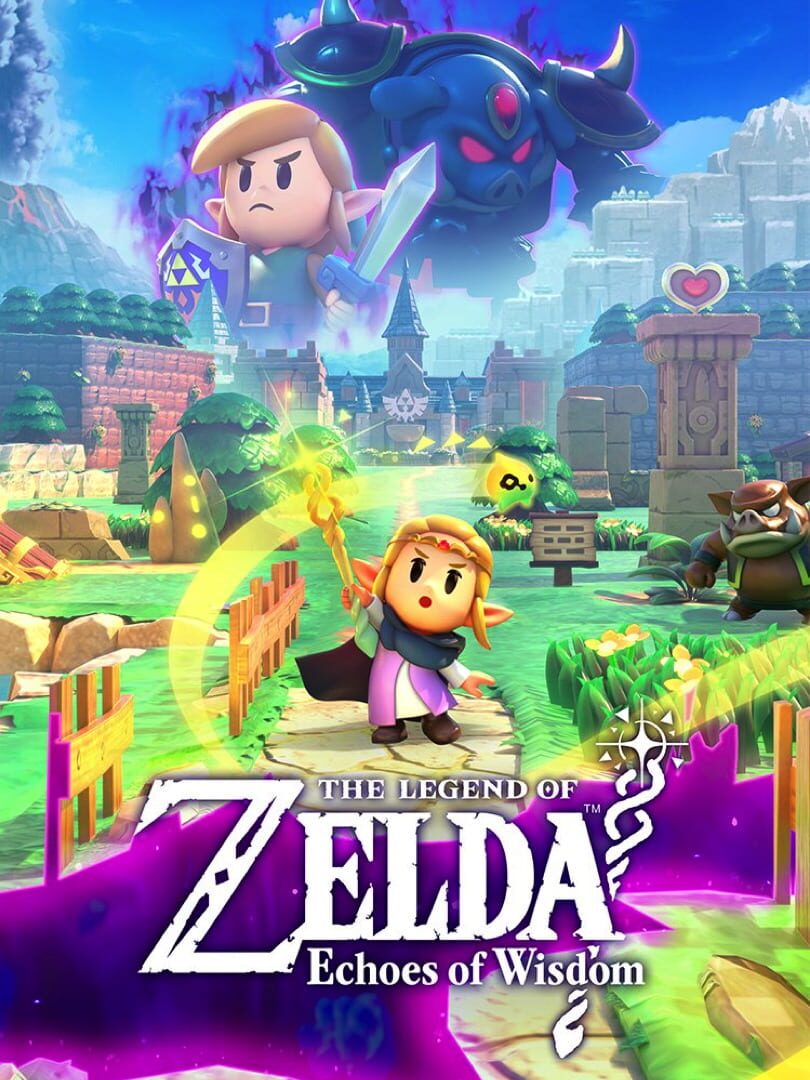
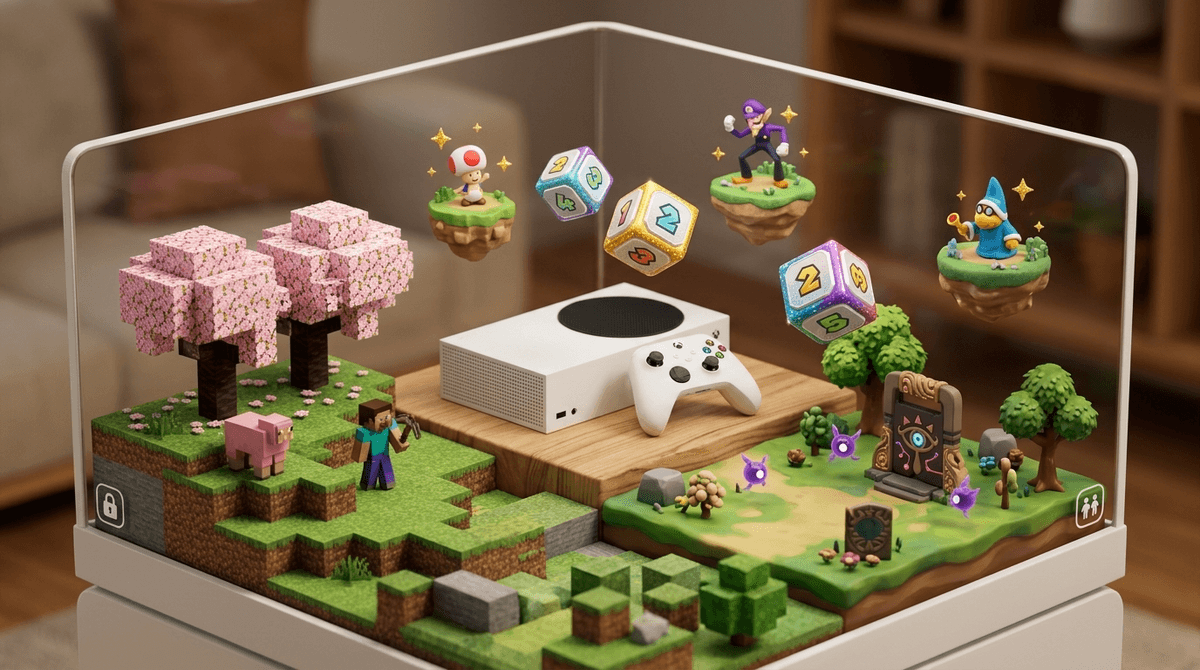
This is the 'brain game' we’ve been waiting for. It takes the open-ended creativity of Minecraft and pours it into a structured, high-quality Nintendo adventure. Instead of just following instructions, your kid has to actually think about how the world works—if I stack three beds, can I reach that ledge? If I summon a table, can I block that wind?
It’s a rare title that respects a kid's intelligence without being punishingly difficult. If you own a Switch, this is an essential addition to the library, especially for kids who love to build and experiment.
Age Fit
Perfect for ages 7 to 99. The logic puzzles are satisfying for adults, but the toy-like visuals and forgiving mechanics make it the most kid-friendly Zelda entry in a decade.
WISE Breakdown
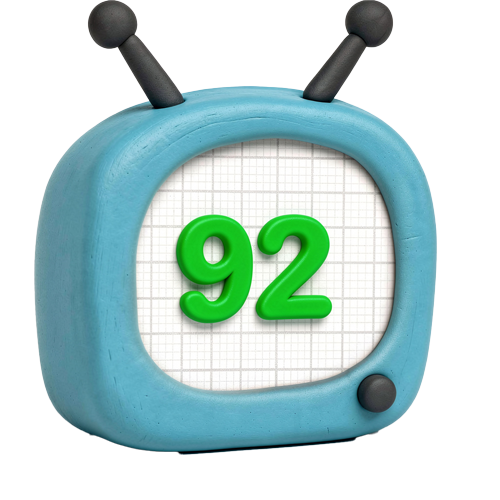
Wholesome
92
Zelda takes the lead in a story about restoring order to a fractured kingdom. The tone is bright, the stakes are clear without being traumatizing, and the focus is on helping others rather than just hitting things.
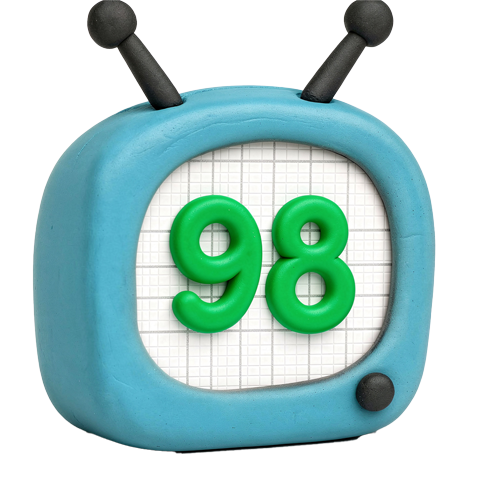
Imaginative
98
The 'Echo' mechanic—memorizing and duplicating objects and monsters—is a masterclass in lateral thinking. It encourages kids to experiment with weird solutions rather than following a scripted path.
Safe
96
Pure single-player experience with zero online chat, no microtransactions, and no loot boxes. Combat is stylized and cartoonish, typical for the series' 'toy-box' aesthetic.
Enriching
91
It’s a logic workout. Players have to manage resources (Tri's power) and understand physics/spatial relationships to navigate the world. Also serves as a great 'gateway' to more complex RPGs.
Parent Info
✓
Why It Might Be Great
Creative freedom is the core loop; there are usually five different ways to cross a gap, and the 'wrong' ones are often the most fun.
Playing as Zelda offers a fresh perspective for long-time fans, trading the sword for a more tactical, puzzle-solving approach.
Zero social pressure means no strangers, no leaderboards, and no FOMO-driven battle passes—just a solid, self-contained adventure.
Beautiful art style that looks like a high-end diorama, making even the 'scary' rifts feel approachable and manageable for younger kids.
⚠
What to Watch For
The menu management can get a little clunky once your kid has collected 50+ different echoes; younger players might need help finding the right 'tool' in their inventory.
There is a lot of reading. While it’s great for literacy, a kid who isn't a confident reader yet will be asking you to translate quest dialogue every five minutes.
Some boss fights require specific timing and 'echo' combinations that can lead to minor frustration if they haven't mastered the controls.
Conversation Starters
"If you could have an 'echo' of any object in our house to help you get through your day, what would it be?"
"Why do you think the game has Zelda solving puzzles instead of just using a sword like Link usually does?"
"What was the weirdest way you figured out how to get past a guard or cross a river?"
"Is it more fun to fight monsters yourself or summon your own monster 'echoes' to do the work for you?"
Deep Dive
The 'Ultrahand' for the Younger Set
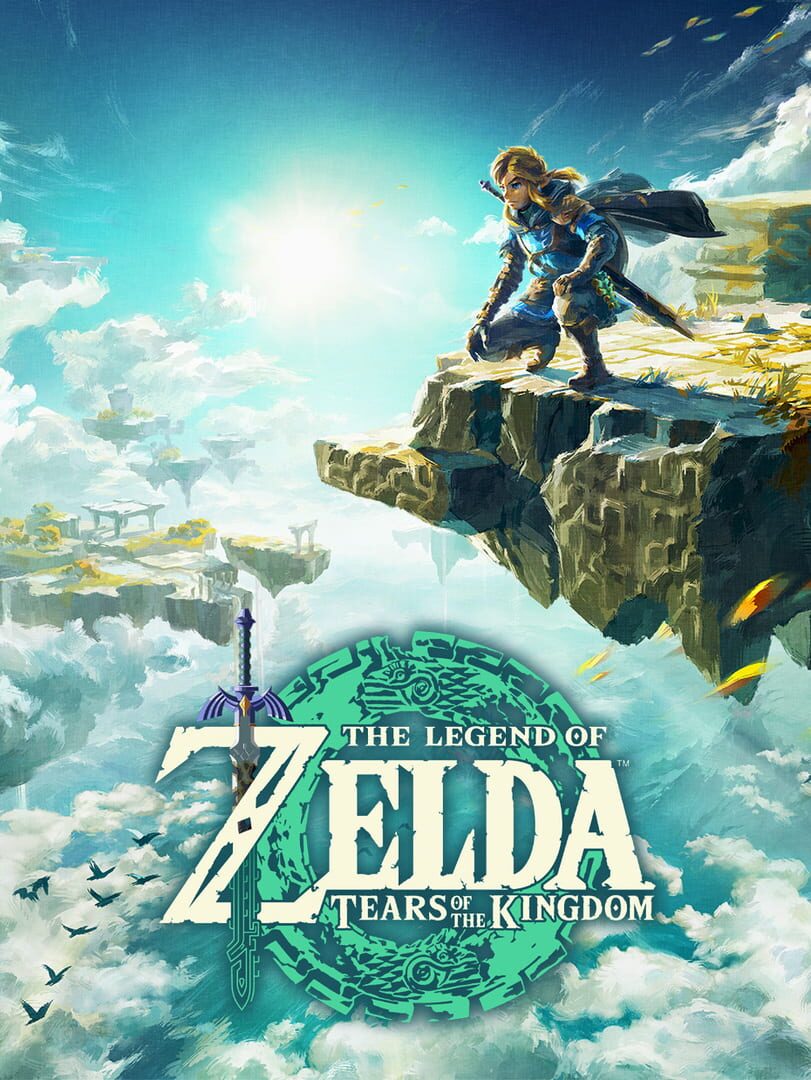
If you watched your kid play Tears of the Kingdom and felt like the complex physics and weapon-fusing were a bit too much, Echoes of Wisdom is the perfect corrective. It uses a similar 'solve it your way' philosophy but flattens it into a 2D plane that is much easier for a developing brain to navigate.
Literacy in Disguise
Following our belief that literacy is multi-stranded, this game is a stealthy way to build the language comprehension half of the reading rope. The narrative is rich, the vocabulary is surprisingly sophisticated, and because there's no voice acting, the kid is forced to engage with the text to progress. It’s the kind of 'screen time' that actually leaves them more capable than when they started.
Co-Engagement Strategy
This is a fantastic 'couch co-op' game even though it's technically single-player. Sit with them and act as the 'Chief Strategy Officer.' When they get stuck on a puzzle, don't give them the answer—ask them what objects they have in their inventory that might interact with the environment. It’s a great way to model problem-solving without taking the controller out of their hands.