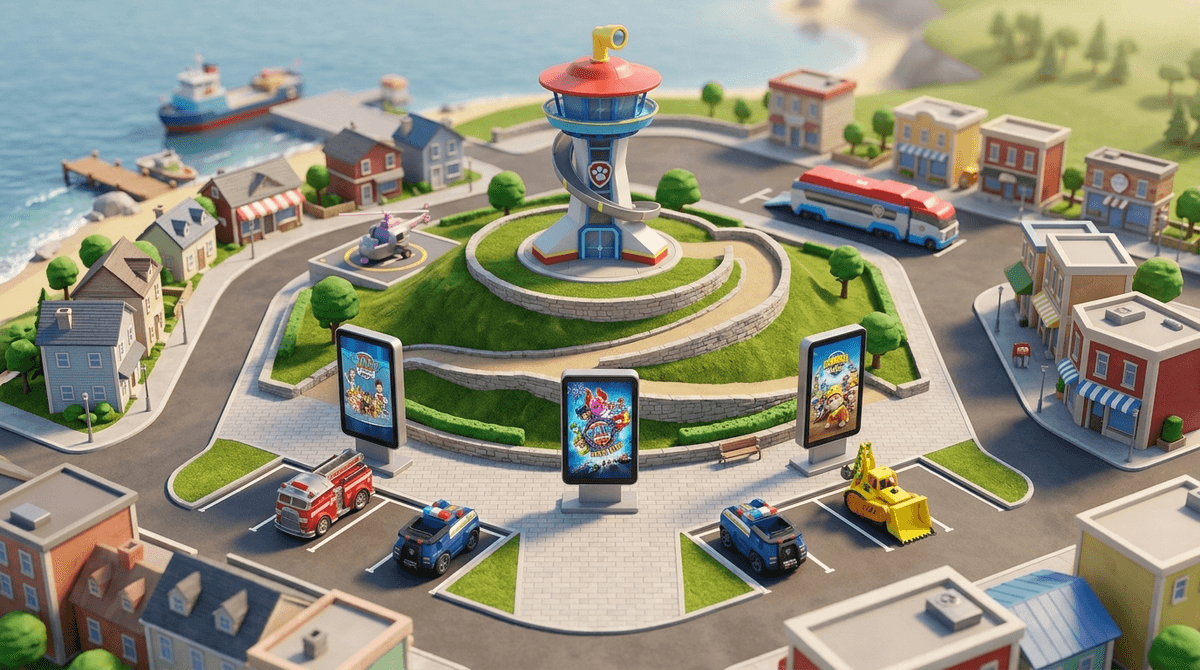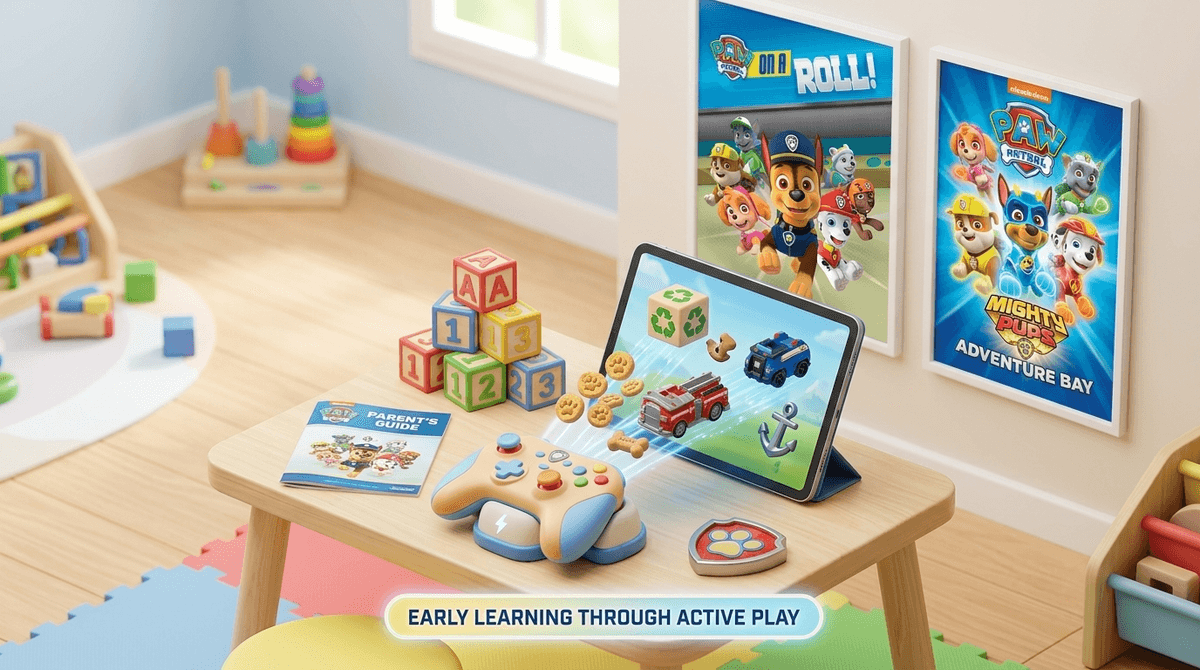


Paw Patrol is what happens when a television show is engineered for toddler retention rather than toddler development. The rescue pups are cute. The gadgets are satisfying. The problems are minor and solved in under twenty minutes, every single time. For a 2-year-old who needs the world to be predictable and kind, that is genuinely useful television. It does exactly what it says on the tin.
The formula is essentially a liturgy. Ryder gets the call. He summons the pups. Each pup deploys their specialty vehicle and matching gear. The problem dissolves. Everyone celebrates. Then it happens again. There is no villain arc, no emotional ambiguity, no narrative surprise. For the youngest viewers, the repetition is the point — it's the same reason they ask you to read the same book twelve nights in a row. The pattern is comforting, and comfort is developmentally legitimate.
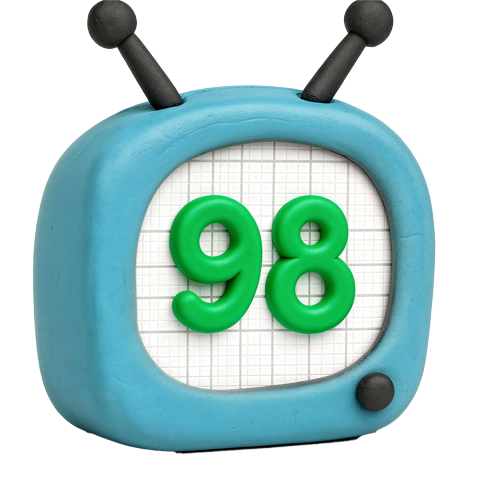
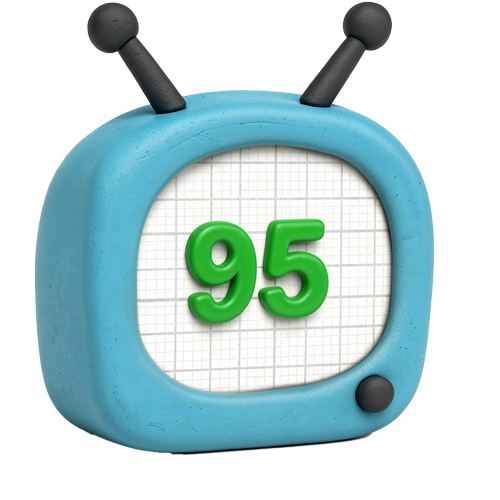
We score children's media on four dimensions — Wholesome, Imaginative, Safe, and Enriching — and Paw Patrol hits 88, 52, 95, and 48. That spread tells the whole story. The show is exceptionally warm and completely safe. It models teamwork and helping-others in every episode without a drop of conflict or menace. What it doesn't do is challenge anyone — the 52 on Imaginative and the 48 on Enriching reflect a show that's more process than story, more comfort food than actual nutrition.
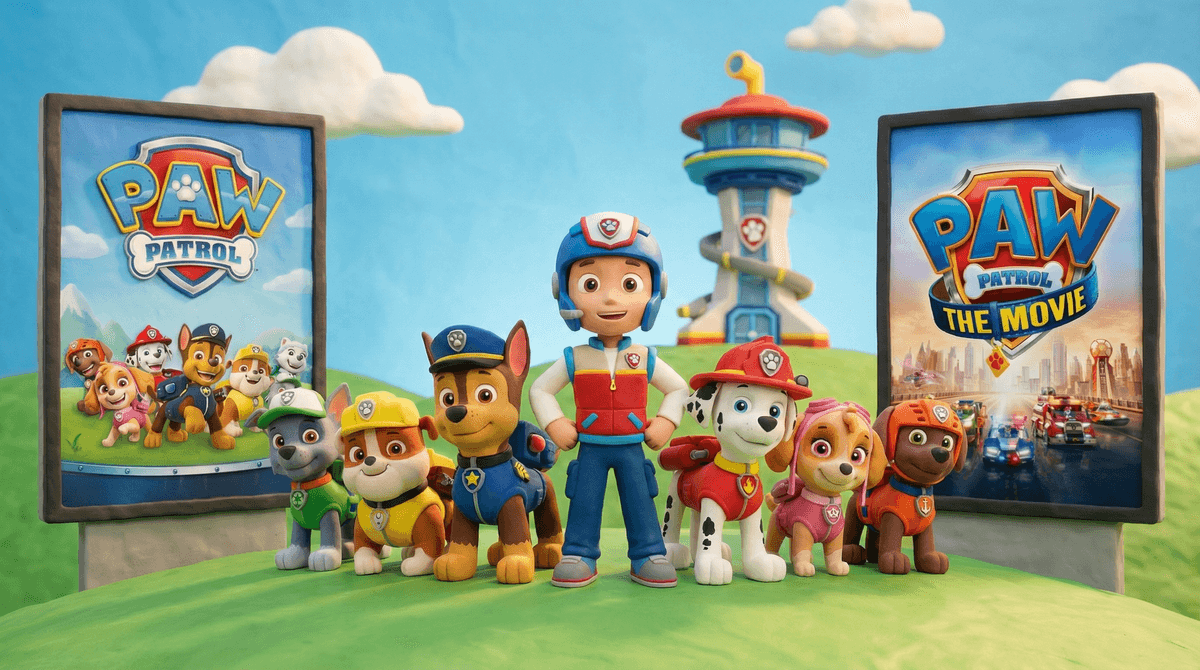
For 2–4 year-olds, the team dynamics are a genuine early lesson: Chase does the police stuff, Marshall handles fire and medical, Skye flies, Rubble digs. Kids who can't yet read are mapping roles and specialties onto characters and feeling smart about it. That's real cognitive work — just not very much of it. By age five or six, most kids have extracted everything this show has to offer and the formula starts feeling like a loop they can't exit.
The honest thing to say about Paw Patrol is that it's not bad. It's just small. It fits a specific window of childhood — roughly 18 months to 4 years — and then it's done. The parents who suffer through it longest are usually the ones who didn't notice the window had closed. If your kid is still asking for it at 5, that's not a crisis, it's just a cue.