Pok Pok

Pok Pok

app

Everyone, 2024, Education

WISE
96%

WISE Score

4.6

App Store

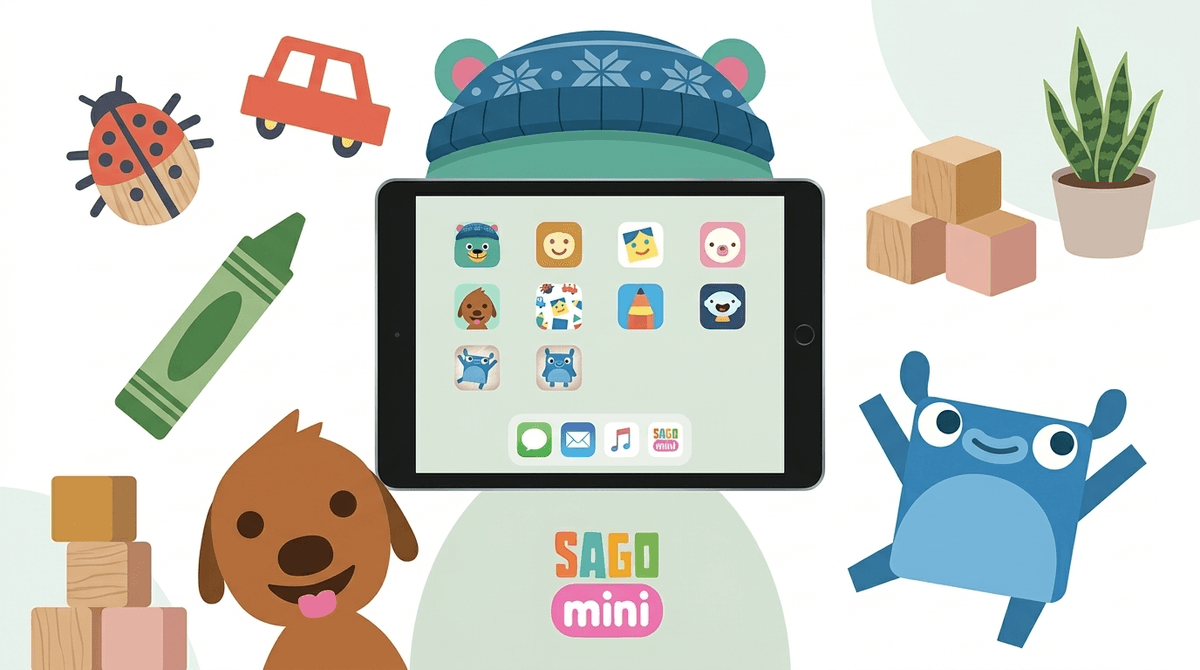
The digital equivalent of a high-end wooden toy set—calm, creative, and mercifully free of dopamine-loop nonsense.

Screenwise Verdict

Pok Pok is the rarest of things: a kids' app that actually respects the child's brain. It doesn't use 'dark patterns' to keep them clicking, and it doesn't blast them with neon colors and sirens. It’s essentially a digital sandbox that you can feel good about handing over when you need 20 minutes to make dinner.

It is expensive compared to free-to-play junk, but you’re paying for the peace of mind that comes with zero ads and a kid who doesn't turn into a zombie. If you’re trying to avoid the 'iPad kid' trajectory while still using tech as a tool, this is the first app you should download.

Age Fit

Perfect for the 2–6 crowd. While they say up to age 8, most second-graders will likely start looking for something with more 'game' mechanics and goals.

WISE Breakdown
Wholesome
98

It's the digital equivalent of a quiet afternoon with wooden blocks. Everything about the pacing is designed to keep a child's nervous system regulated rather than spiked.

Imaginative
96

Pure open-ended play. There are no 'correct' ways to play with the toys, which encourages genuine experimentation over following a pre-set path.

Safe
100

Zero ads, zero in-app purchases, zero data harvesting, and zero social features. It is the gold standard for digital safety for young children.

Enriching
92

While it doesn't drill ABCs, it builds foundational skills like logic, cause-and-effect, and spatial reasoning through Montessori-inspired mechanics.

Parent Info

Why It Might Be Great

  • No winning or losing means no performance anxiety or 'one more level' meltdowns.
  • Low-stimulation design uses hand-recorded sounds and a muted palette that won't fry a toddler's attention span.
  • Offline capability makes it a top-tier choice for long flights or road trips where Wi-Fi is spotty.
  • Open-ended toys like the Marble Machine and Music Sequencer encourage genuine STEM thinking without the 'educational' labels.

What to Watch For

  • The subscription model is the only way in; there's no 'lite' version, which might be a hurdle for families who prefer one-time purchases.
  • If your kid is already used to the high-speed chaos of YouTube Kids, they might find this 'boring' at first. It takes a minute for their brain to downshift to this pace.

Conversation Starters

  • "Which toy in the playroom is your favorite to tinker with today?"
  • "I saw you building that marble track—how did you get the blue piece to move like that?"
  • "Do you think the little people in the House are getting ready for breakfast or bedtime?"

Deep Dive

The Anti-Dopamine App

Most kids' apps are designed by people who clearly hate parents. They are loud, they are repetitive, and they are built on the same psychological triggers that keep adults addicted to slot machines. Pok Pok is the deliberate antithesis of that entire industry. Founded by people who actually understand the Montessori philosophy, it treats the screen as a canvas rather than a Skinner box.

When you open the app, there are no menus to navigate or 'buy more coins' buttons to accidentally tap. It’s just a collection of digital toys. A child can spend ten minutes meticulously dressing a character or thirty minutes watching how different gears interact in the Marble Machine. Because there are no scores or timers, the child is the one in control of when the play starts and ends, which is a massive win for emotional regulation.

Why the Subscription Matters

We usually balk at another monthly fee, but Pok Pok's model is what allows it to be so safe. By charging parents directly, they don't have to sell your kid's attention to advertisers or design 'funnels' to get them to buy digital hats. It’s a clean transaction: you pay for a high-quality tool, and they provide a safe, evolving playroom.

If your child is on the younger end (2-4), this is a no-brainer. If they are 6 or 7, it might be a 'calm down' tool rather than their primary entertainment. Either way, it’s one of the few apps that actually lives up to the 'educational' label without being a boring series of digital flashcards.

What Parents Ask

Ask Anything

Get a personalized guide on any topic