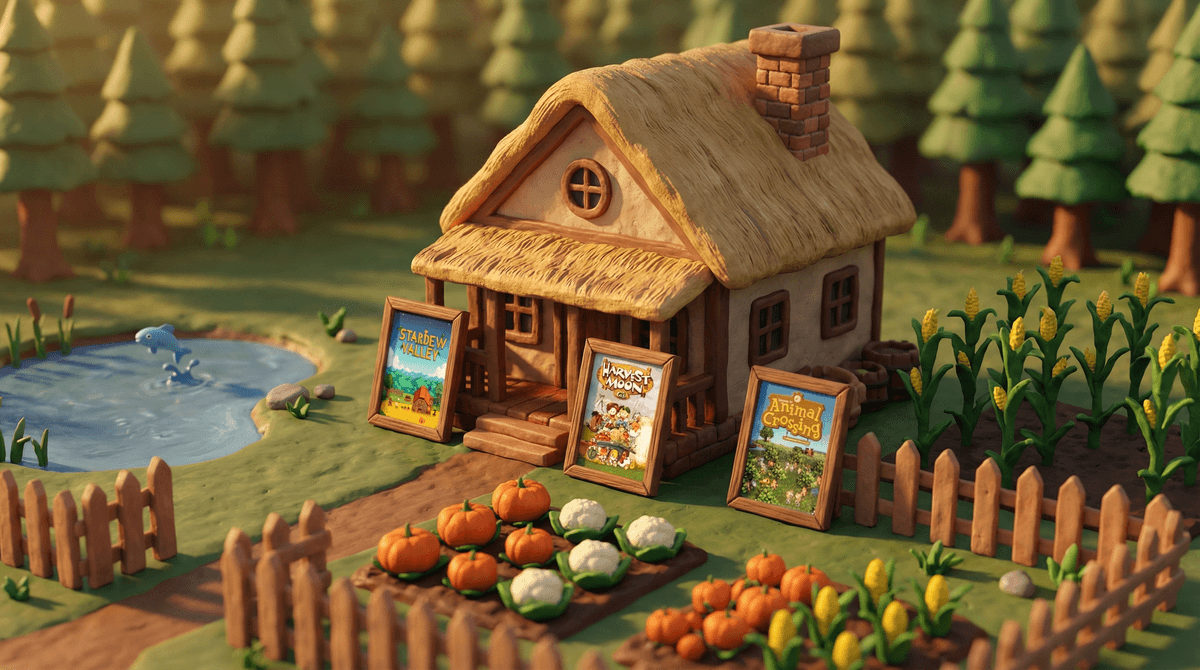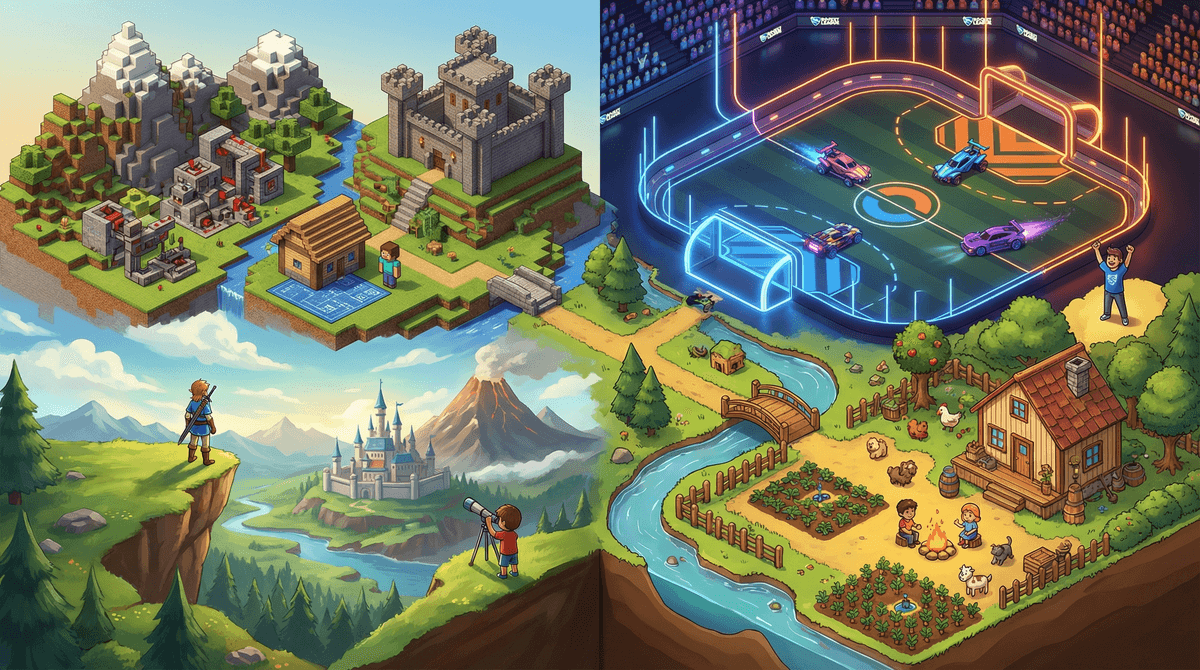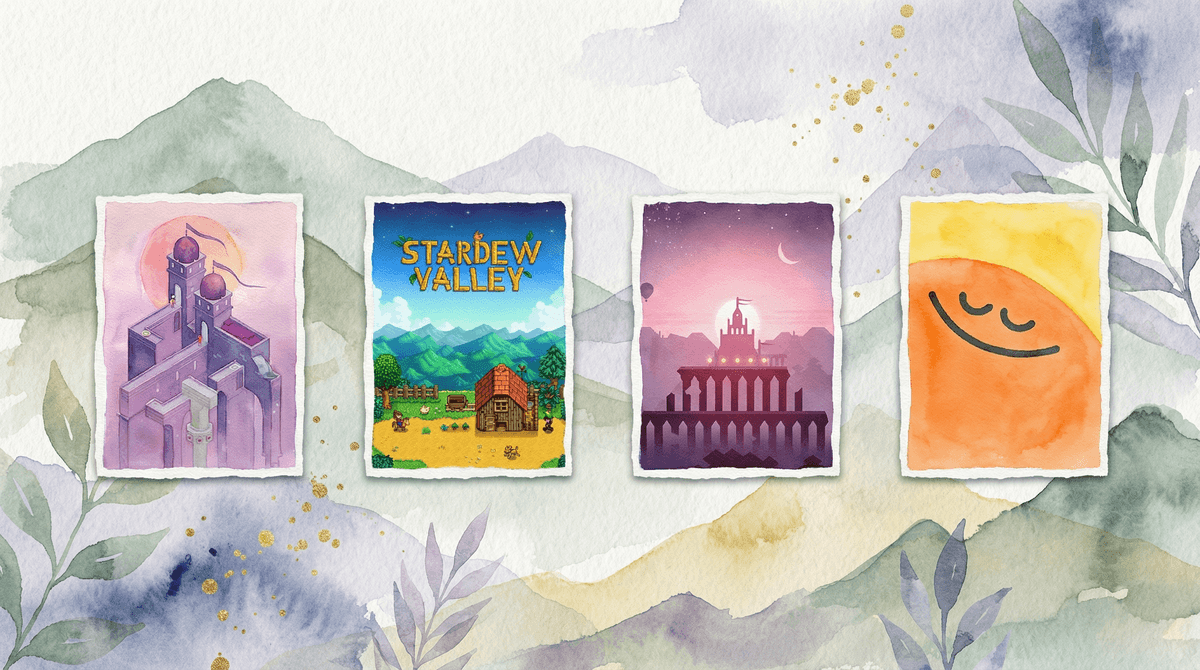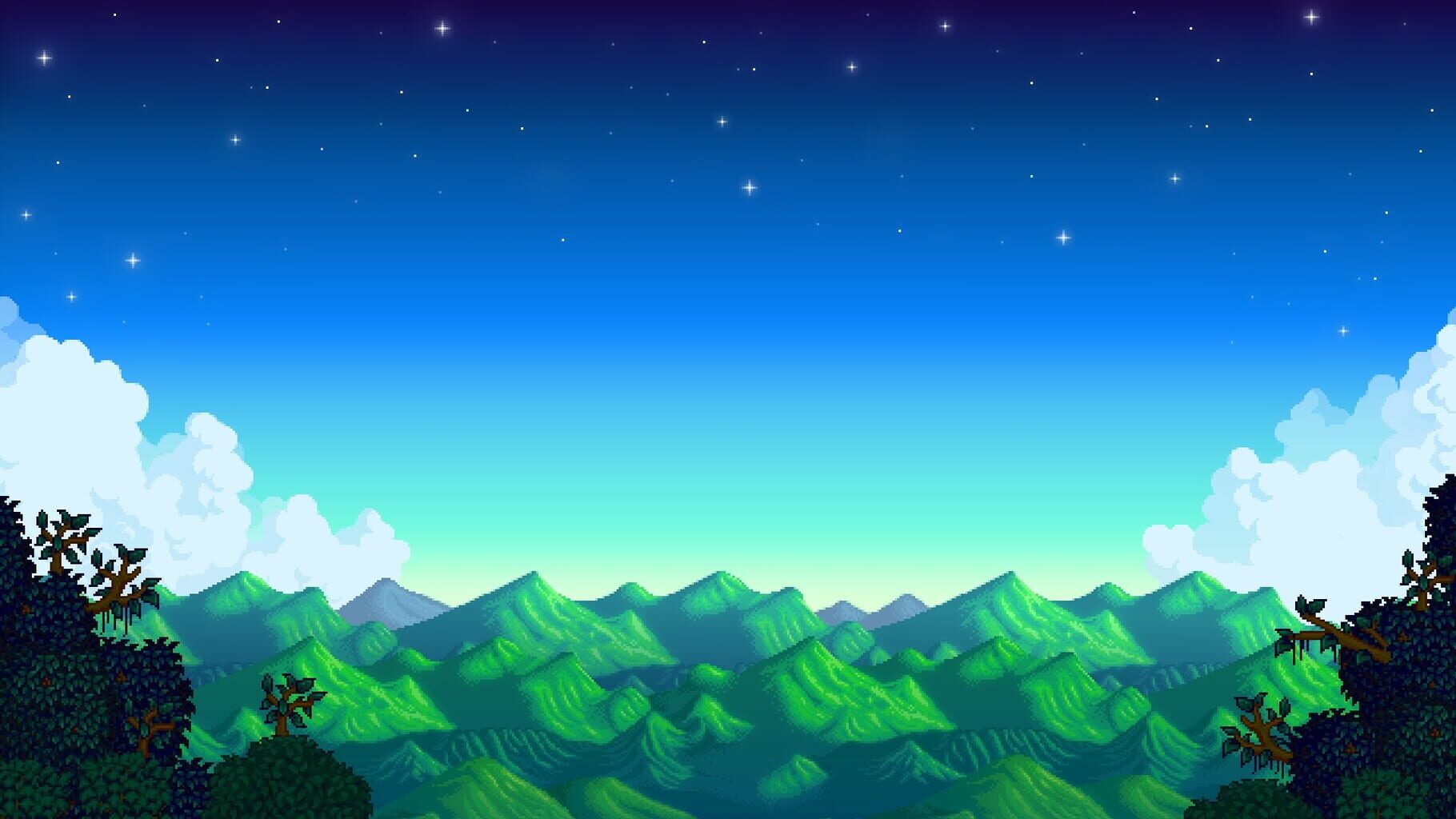
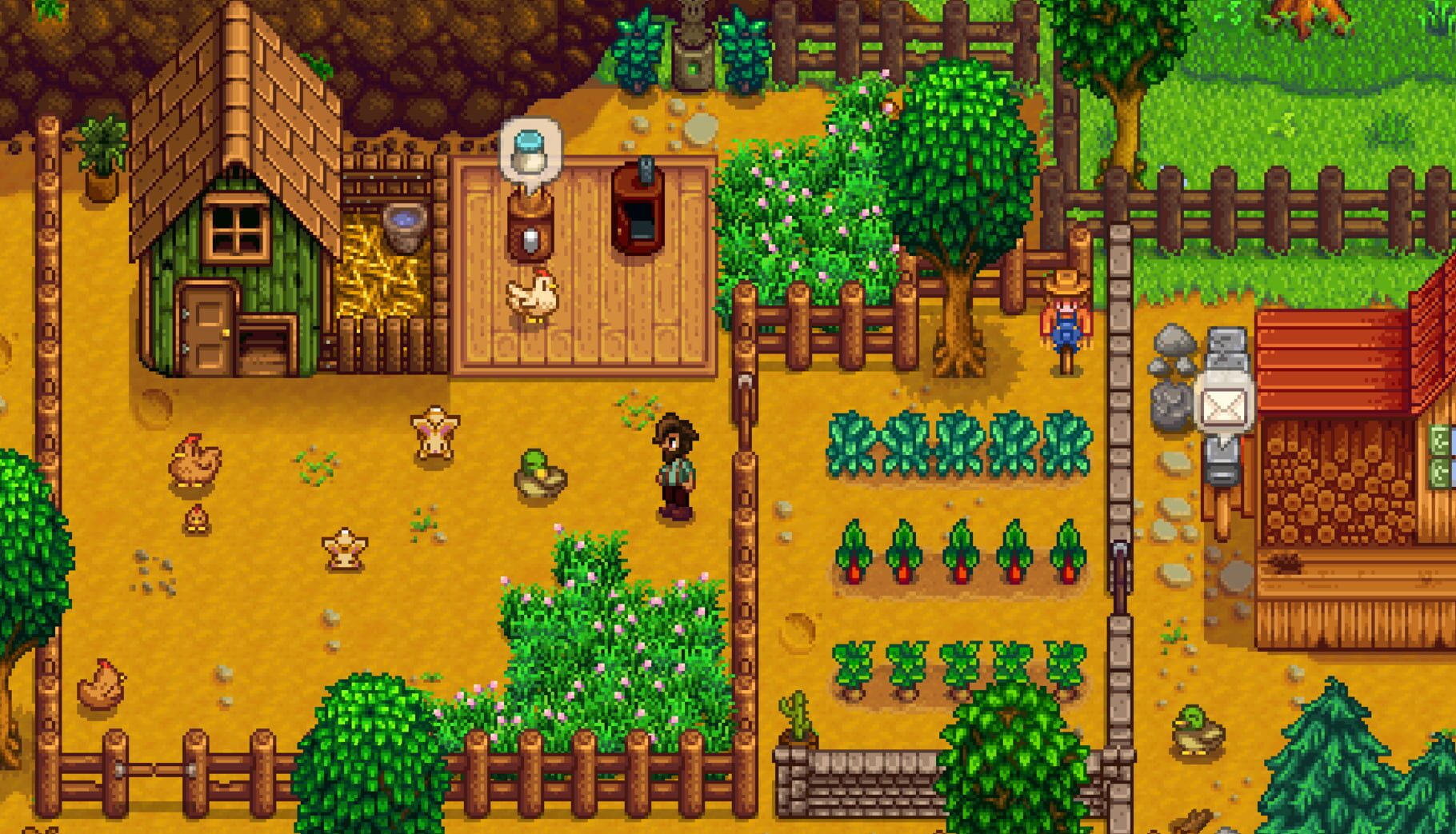
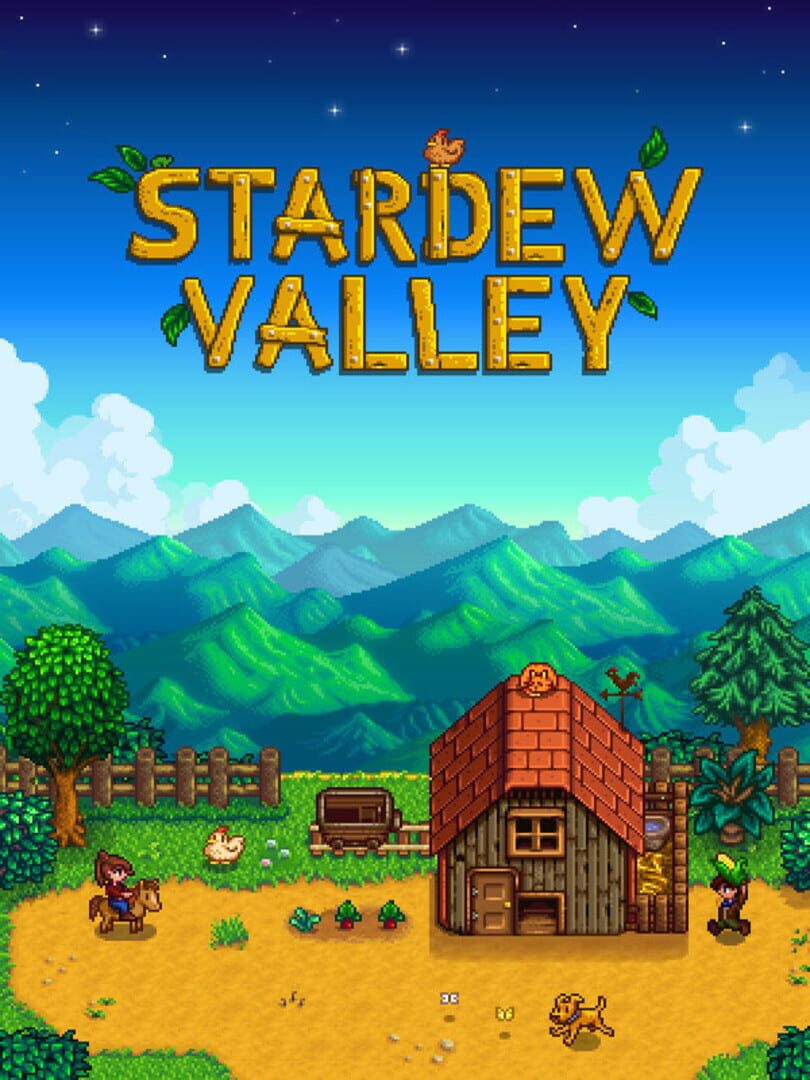


Stardew Valley is that rare unicorn: a game parents actually don't need to worry about that kids genuinely want to play. Made by one incredibly dedicated developer (ConcernedApe) who clearly cared more about craft than cash-grabbing, it's the antithesis of exploitative game design.
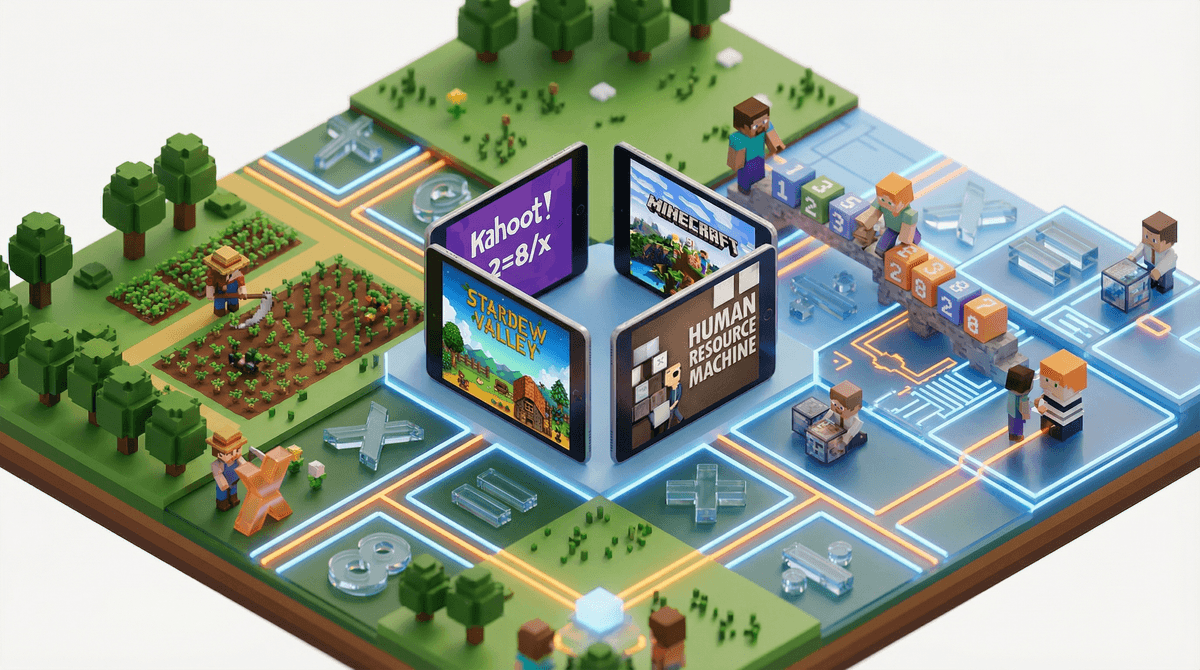
It teaches real skills—planning, resource management, strategic thinking—while wrapping them in the cozy blanket of pixel-art farming. Kids learn that actions have consequences (plant crops too late in the season and they won't mature), that relationships take consistent effort (remembering what gifts people like), and that building something meaningful takes time.
The only real 'watch out' is that it's genuinely compelling, so time limits are your friend. The day-night cycle provides natural stopping points, but 'just one more day' can easily become 'whoops it's been two hours.' The Shane storyline about depression is handled maturely and could spark good conversations, but might need context for younger players.
Bottom line: This is what good game design looks like. It respects players, teaches valuable skills, and proves that games can be both wildly entertaining and genuinely enriching without any manipulative nonsense.