The playable museum of gaming
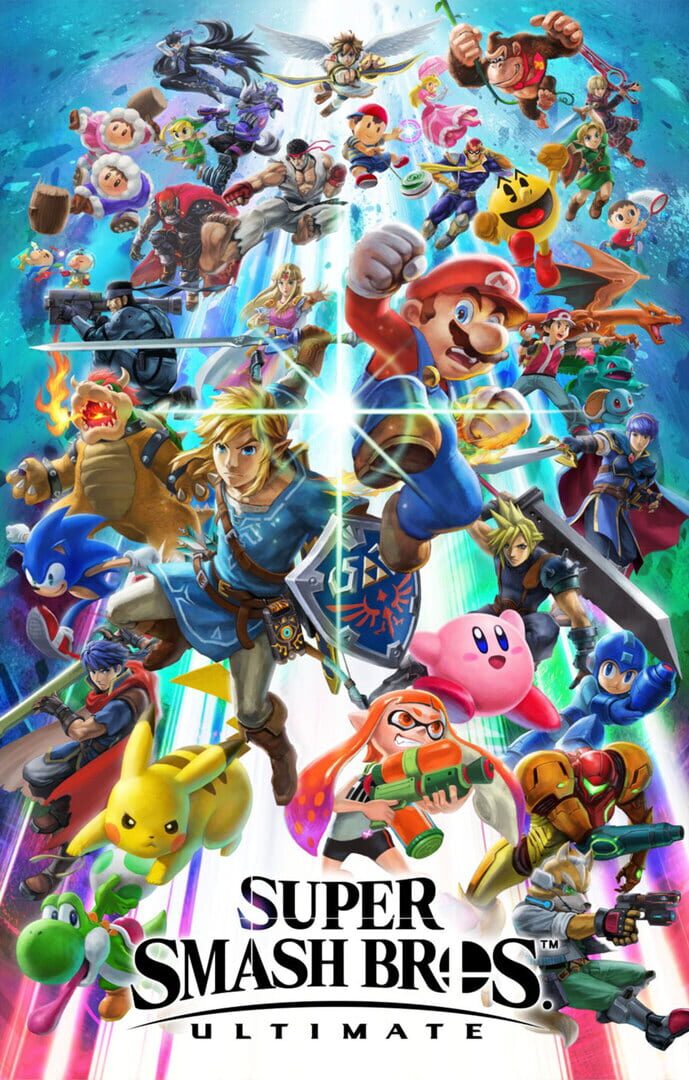
Even years after its release, Super Smash Bros. Ultimate remains the undisputed heavyweight champion of the "crossover" genre. It isn't just a fighting game; it's a massive, interactive encyclopedia of gaming history. Because it includes every single fighter from previous entries plus newcomers like Inkling and Ridley, it serves as a bridge between generations. Your kid might pick it up because they love Minecraft Steve, but they’ll end up asking you who that "vampire hunter guy" (Simon Belmont) is.
If your house is currently a battleground over whether they can play Mortal Kombat or Street Fighter, this is the safest way to scratch that itch. It offers the same adrenaline and mechanical depth without the gore. It’s one of the best local multiplayer games because it scales perfectly from a chaotic four-player birthday party to a focused one-on-one duel.
The skill gap is a feature, not a bug
The brilliance of Smash is that it feels good the moment you pick up the controller. You press a button, and something cool happens. But there is a massive divide between "button mashing" and "playing the game." This is where the friction usually starts. If you have a teenager who has mastered "edge-guarding" and "short-hopping," and a seven-year-old who just wants to play as Pikachu, the younger one is going to get clobbered.
Unlike Mario Kart, which uses items to help players in the back catch up, Smash is much more meritocratic. If one sibling is significantly better, you’ll need to step in and set some ground rules—maybe the better player has to use a character they’ve never tried, or you turn on "spirits" to even the odds. Navigating gaming and sibling rivalry is a core part of the Smash experience. It’s a great environment to practice losing without the world ending.
From the living room to the lecture hall
It’s easy to dismiss this as just another "screen time" sink, but Smash is the primary gateway to the world of organized esports. Because the game is so technically demanding at high levels, it has a massive competitive scene in middle schools, high schools, and even colleges.
If your child starts getting "sweaty"—gamer-speak for trying really hard—and spends hours in training mode practicing specific moves, they aren't just wasting time. They are developing the kind of discipline and pattern recognition that translates to high-level competition. Many universities now offer esports scholarships and college programs specifically for Smash players. If they’re showing a genuine interest in the mechanics, it’s worth treating it less like a toy and more like a varsity sport.
The DLC "tax"
One thing to be ready for: the base game is enormous, but the "complete" experience is hidden behind a few paywalls. There are two "Fighters Passes" that add a dozen high-profile characters. Your kid will almost certainly see these characters while playing online or watching YouTube and will suddenly need them.
The good news is there are no loot boxes or "pay-to-win" mechanics here. You buy a character, you get the character. It’s a transparent transaction, but it’s an extra cost to keep in mind if you want the full roster. If you're looking for age-appropriate alternatives to popular m-rated games, investing in the full Smash roster is a much better value proposition than letting them wander into a toxic, microtransaction-heavy shooter.