The "Hard Game" that changed everything
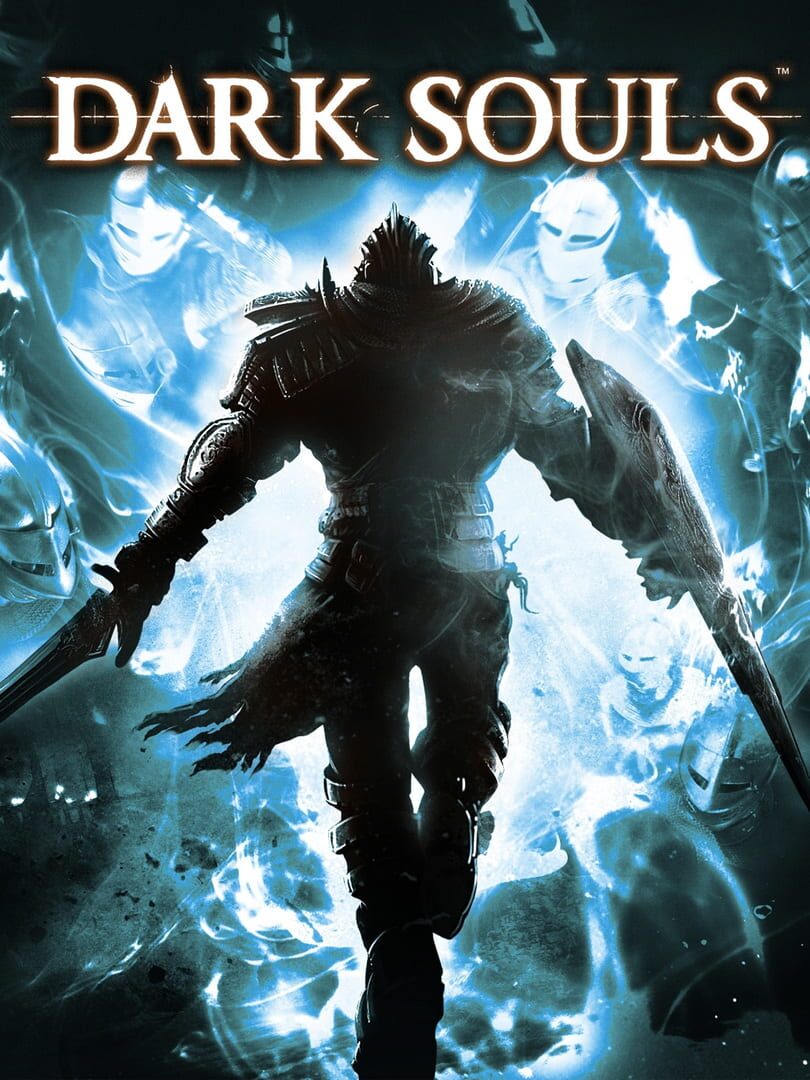
In 2011, FromSoftware released something that felt like a middle finger to the entire industry. While every other big-budget title was busy adding quest markers, "detective vision," and infinite checkpoints, Dark Souls dropped players into Lordran with a broken sword and a shrug. It didn't just allow you to fail; it expected you to.
If your teenager is asking to play this, they aren't looking for a relaxing afternoon. They’re looking for a digital rite of passage. The reputation for difficulty is real, but it’s often misunderstood. It isn't "hard" like a slot machine is hard; it’s hard like learning a musical instrument. You’re going to hit wrong notes constantly, but the game is perfectly fair. Once you understand the rhythm of stamina management and enemy patterns, the "impossible" bosses start to look like puzzles with violent solutions.
Resilience through repetition
The core loop of the game is essentially a masterclass in the value of failure in gaming. When you die, you lose your "Souls" (currency and XP) and have to fight your way back to where you fell to get them back. If you die again before reaching them, they’re gone forever.
For a lot of kids, this is the ultimate frustration test. It forces a level of focus and emotional regulation that most modern entertainment doesn't require. You can’t button-mash your way through Lordran. You have to observe, wait for an opening, and respect the enemies. Watching a kid go from a "rage quit" to a calm, calculated victory over a boss that’s been killing them for two hours is one of the most satisfying things you’ll see as a parent.
The "Soulslike" ladder
If your kid is interested in this world but you aren't sure they’re ready for the relentless bleakness of the original, there are ways to ease into it.
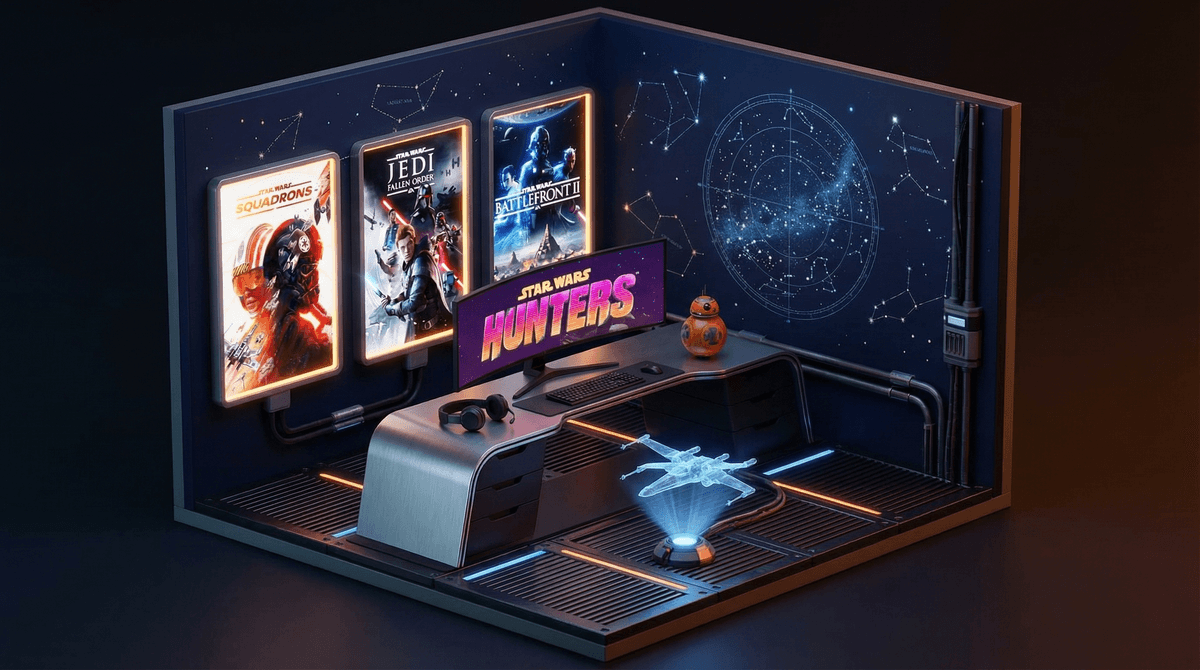
- The "Lite" Version: The Star Wars Jedi series (Fallen Order and Survivor) takes the basic combat and map structure of Dark Souls but wraps it in a T-rated package with difficulty sliders. Check our Star Wars games ranked guide to see where those land.
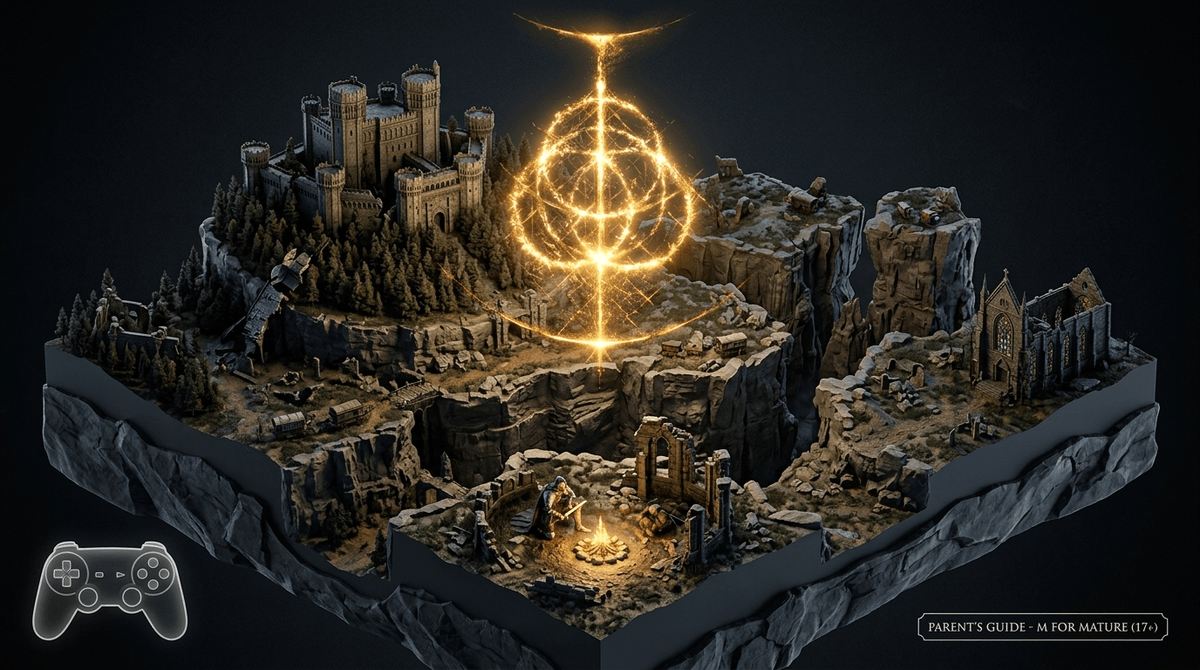
- The Modern Masterpiece: If they’ve already played a bit of this genre and want the biggest, most polished version, they’re likely looking at the spiritual successor. Read our Elden Ring parents guide to see how that compares in terms of gore and scale.
What actually makes it "Mature"
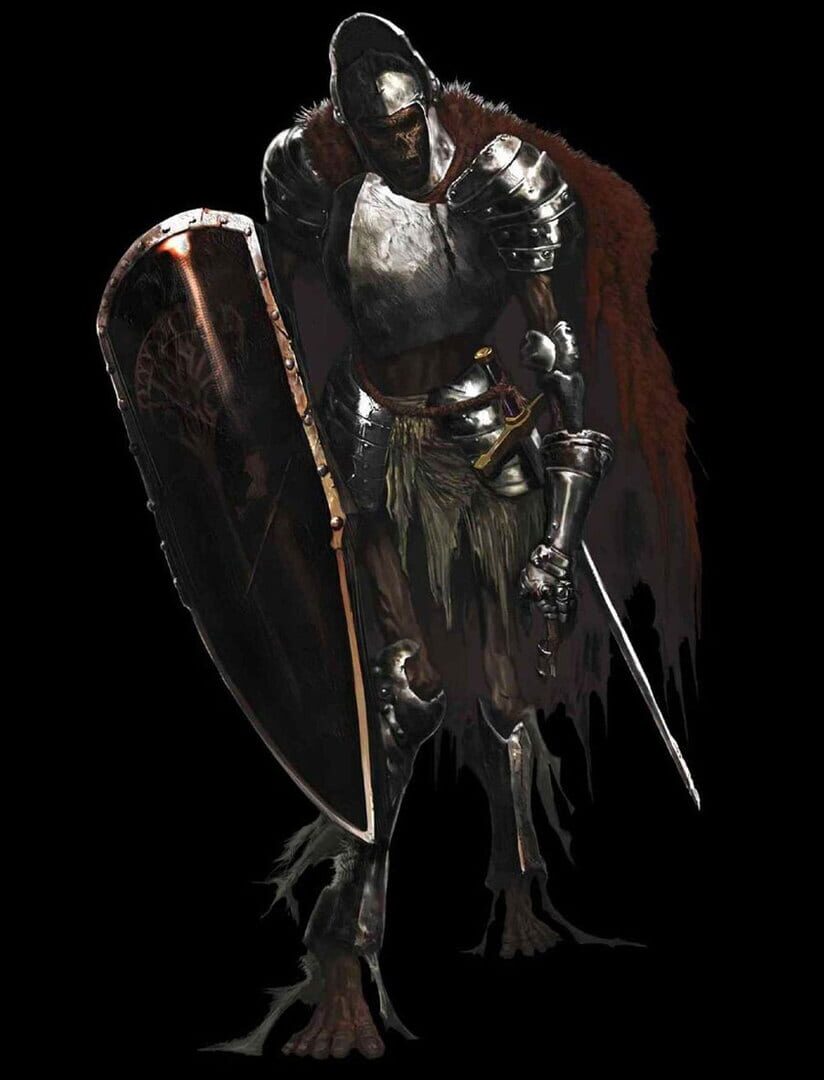
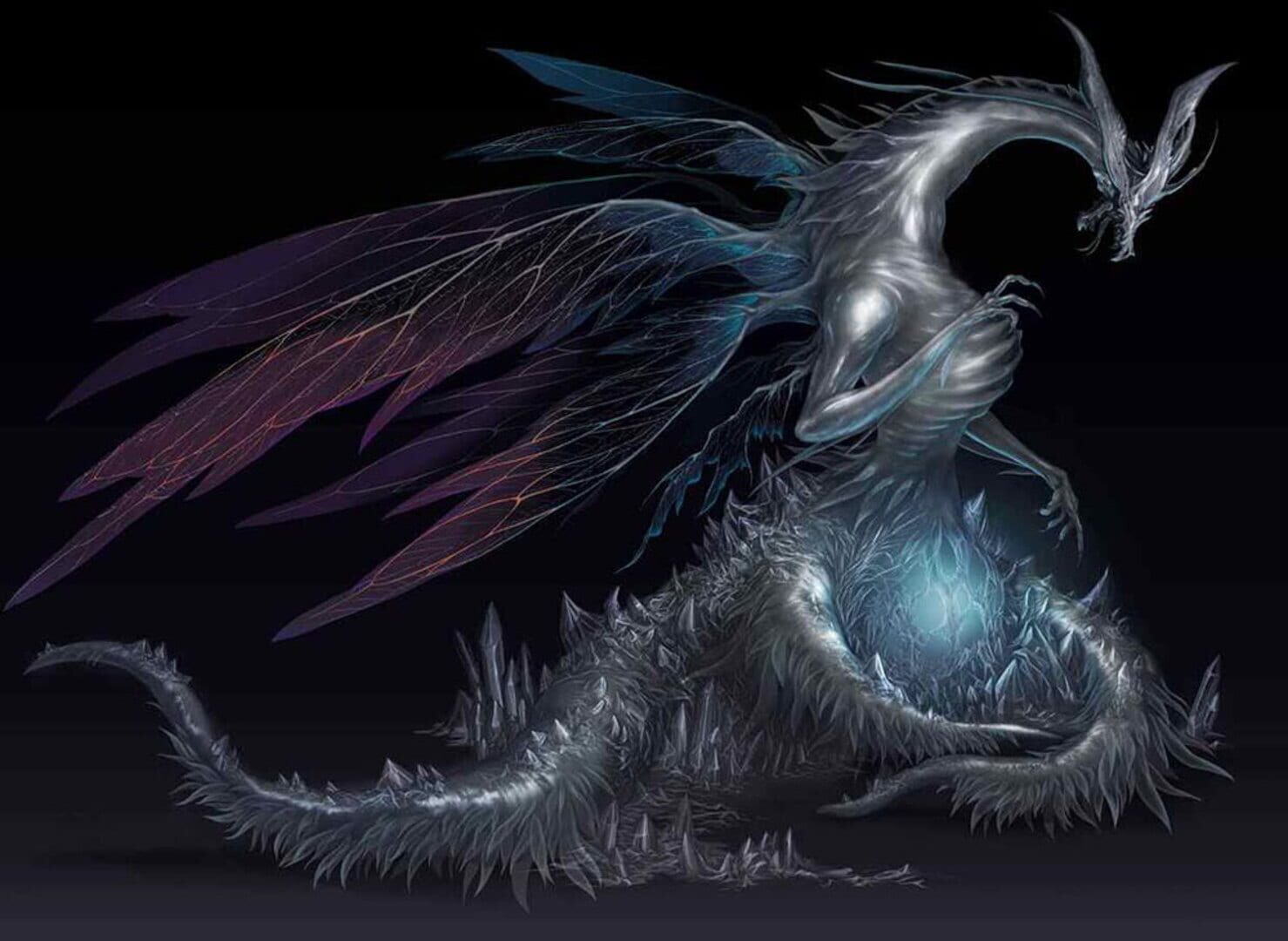
The M rating isn't for swearing or sexual content—it's for the atmosphere. Lordran is a dying world filled with "hollows" (essentially zombies) and bosses that look like they crawled out of a nightmare. There is body horror, there is blood, and there is a persistent sense of dread.
The multiplayer is also unique. There is no voice chat, but players can "invade" each other's worlds to fight. It’s anonymous and brief, but it adds a layer of tension that might be too much for younger players. On the flip side, the community-driven "hint" system—where players leave cryptic messages on the ground for others—is one of the most helpful and creative social mechanics in gaming history.
If you decide to let them dive in, don't help them too much. The magic of this game is the total lack of hand-holding. Let them get lost. Let them fail. The victory belongs entirely to them.