Call of Duty

Call of Duty

game

2003, Shooter

WISE
38%

WISE Score

81%

IGDB

The OG WWII shooter that launched a franchise—historically interesting but showing its age like a veteran who won't stop talking about 'the war.'

Where to Play

Screenwise Verdict

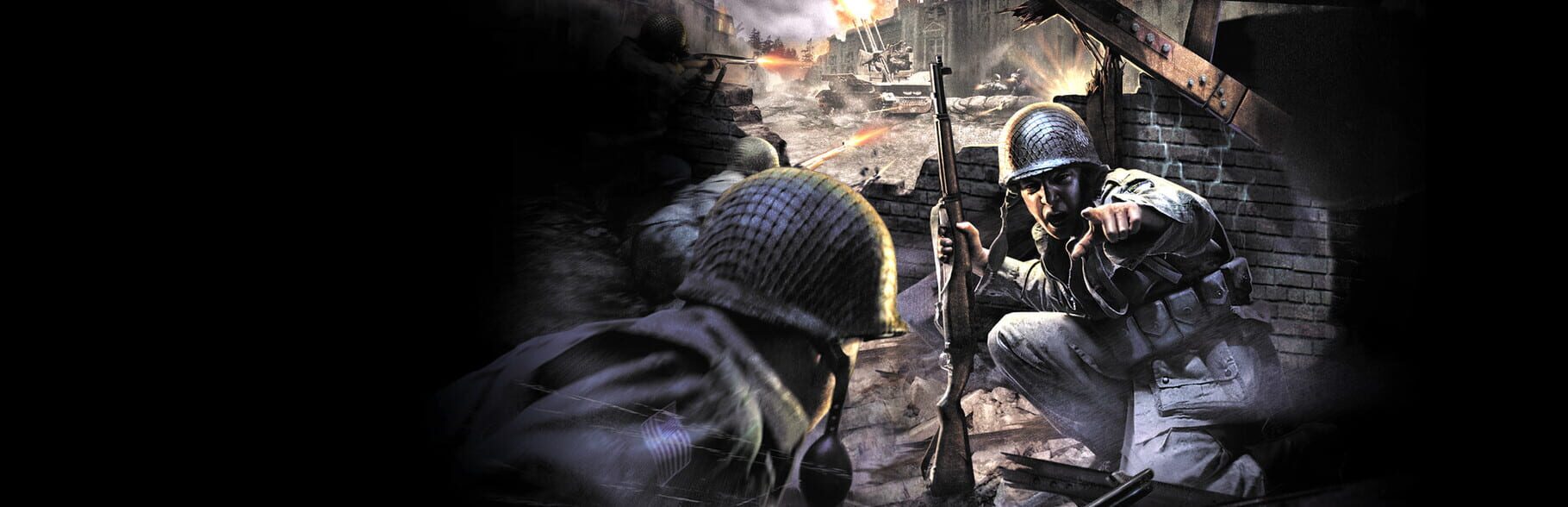
Call of Duty (2003) was revolutionary for its time and has genuine historical merit, but let's be real: it's a 22-year-old war shooter that looks and feels ancient by today's standards.

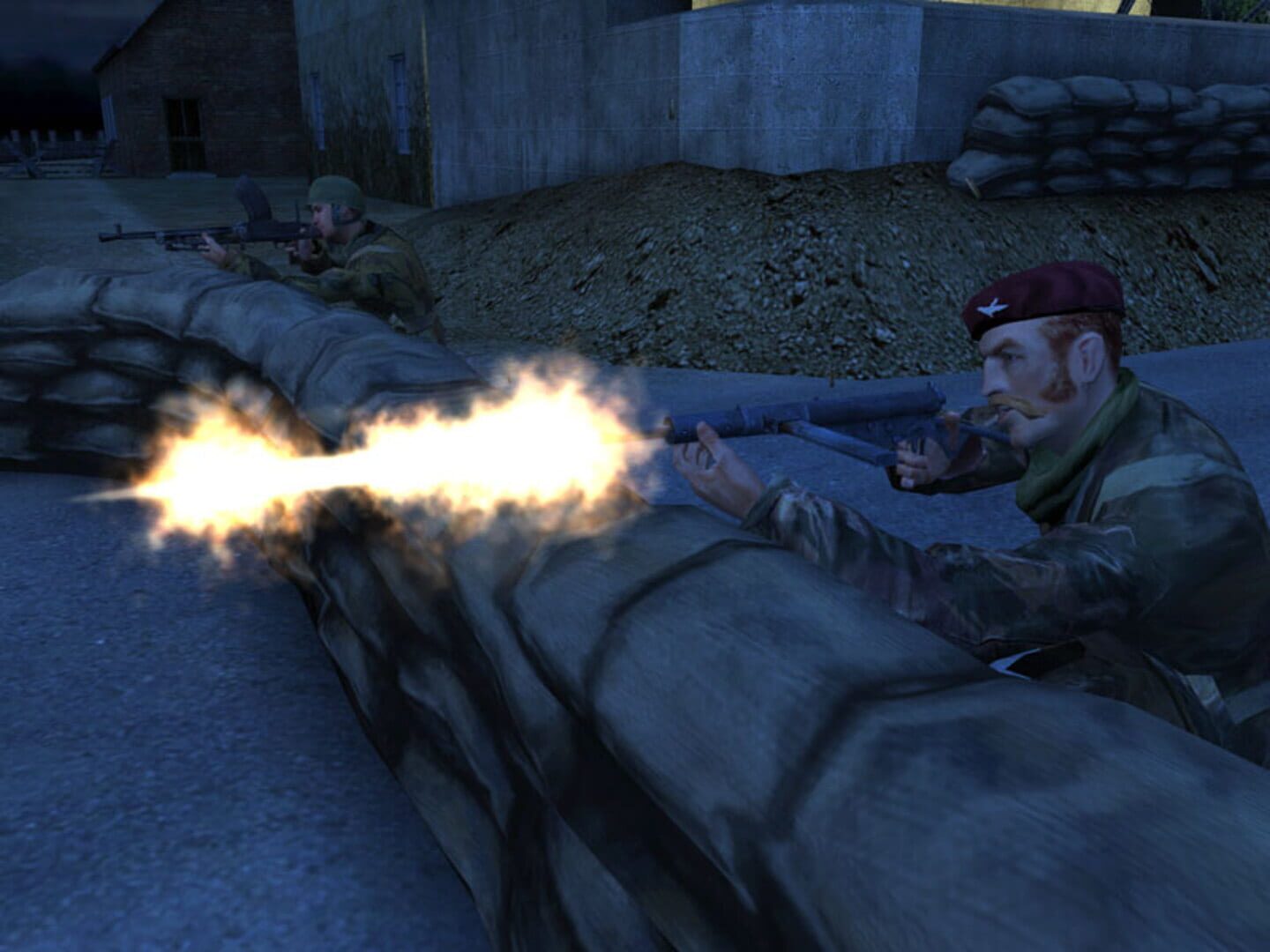
The WWII setting provides educational context that many modern shooters lack, and the squad-based approach emphasizes teamwork over solo glory. There's something to be said for experiencing D-Day or Stalingrad from multiple national perspectives.

But here's the thing—most kids today won't stick with it. The graphics are dated, the mechanics feel stiff, and there are dozens of more polished, engaging shooters available. The multiplayer community is essentially nonexistent. Unless your teen is specifically interested in gaming history or WWII, they'll likely bounce off this within 20 minutes.

If you're looking for a war game with historical context, this checks that box. But if you want something your kid will actually play and enjoy in 2025, you're probably better off with more recent entries in the franchise or other modern options. This is a museum piece—interesting to look at, hard to engage with.


Age Fit

Best for teens 14+ who have an interest in history or classic games. The violence is expected for a war shooter but still involves killing throughout. Honestly, most modern kids will find it too dated to enjoy—this is more for gaming history buffs or nostalgic adults.

WISE Breakdown
Wholesome
35

As a WWII shooter, the game centers on combat violence and killing enemy soldiers. While it portrays camaraderie and teamwork among squad members, the core gameplay loop is shooting people. The historical context provides some gravitas, but emotionally it's still about war and death. Not chaotic in pacing, but the tone is inherently violent.

Imaginative
55

For 2003, the squad-based mechanics and cinematic approach were groundbreaking and innovative. The game introduced iron sights and immersive historical scenarios. However, it's a linear, scripted experience with minimal creative expression—you follow orders through predetermined missions. No building, exploration, or player creativity. Historically interesting but not particularly imagination-sparking.

Safe
60

No in-game purchases, loot boxes, or predatory monetization. Online chat is not present in the base 2003 version. The violence is the expected content for a war shooter—you know exactly what you're getting. No surprise gore or sexual content beyond what's standard for the genre. Users can interact in multiplayer but without integrated chat systems that would enable toxicity. The game doesn't have infinite loops designed to be compulsive.

Enriching
50

Provides historical context about WWII battles (D-Day, Stalingrad, Pegasus Bridge) which has educational value. Players experience different perspectives (American, British, Soviet) which could build empathy for the scale of the conflict. However, it's primarily entertainment through combat simulation. Some tactical thinking required but limited deeper cognitive or ethical growth. The historical setting adds weight but it's still fundamentally a shooter.

Parent Info

Why It Might Be Great

  • Provides historical context for major WWII battles (D-Day, Stalingrad) that could spark interest in history
  • Squad-based gameplay emphasizes teamwork and following orders rather than lone-wolf rampaging
  • No predatory monetization, loot boxes, or toxic chat systems—it's a complete game from a simpler era
  • Multiple perspectives (American, British, Soviet) show different sides of the conflict

What to Watch For

  • It's a war game—the entire point is shooting enemy soldiers, with period-appropriate weapons and violence
  • Graphics and gameplay from 2003 will feel ancient and clunky to kids raised on modern shooters
  • Multiplayer exists but realistically the player base is long gone
  • The linear mission structure means limited freedom or creative play

Conversation Starters

  • "What did you learn about WWII from playing this? Were you surprised by anything?"
  • "How did it feel to play as soldiers from different countries—did the perspectives feel different?"
  • "What do you think it was actually like for soldiers in these battles compared to the game?"
  • "How does this compare to modern war games you've played? What's better or worse?"

Ask Anything

Get a personalized guide on any topic

Related Guides